Electric cars
Porsche electric cars
We cover 1 Porsche model: 1,502 new registrations in the Netherlands in 2024 and 2025 combined, with consumption of 192 Wh/km (WLTP).
ERE per kWh, every brand the same
- 0.33269 ERE/kWh
- statutory conversion
- ERE price
- €0.460
- Median commission
- 20%
Net per kWh
€0.122
Price of October 18, 2026. The car brand is not in this sum.
- 1model in this data
- 1,502new registrations in the Netherlands, 2024 and 2025EEA
- 192Wh/kmconsumption according to WLTP
- €355/yearin ERE at 15,000 km charged at home. Per kWh the same for every brand
Models
Porsche models
In order of new registrations in the Netherlands in 2024 and 2025. ERE per year at 15,000 km charged at home, the same calculation as on the model page.
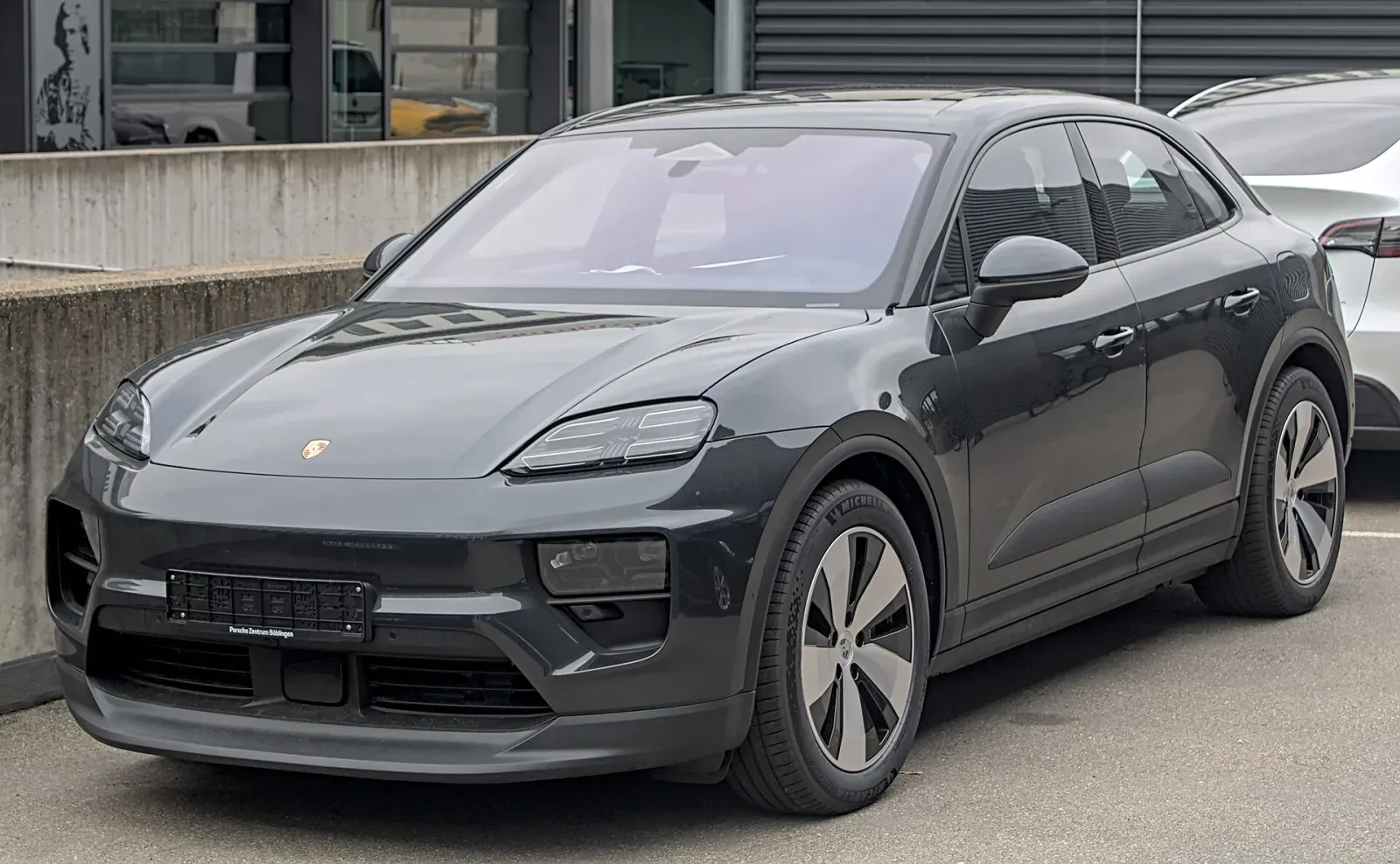
Home charging from 20 to 80%: battery and onboard charger from the charging data, checked on October 6, 2026. Each model page lists its sources. ERE: kWh at 15,000 km × 0.33269 ERE per kWh × €0.460 per ERE × (1 − 20%), rounded to €5.
Comparison
Porsche: Wh/km and ERE per year
Wh/km is the WLTP consumption from the EEA data. ERE per year at 15,000 km charged at home follows that consumption, rounded to €5. More Wh/km means fewer kilometres per kWh, more kWh charged at the same distance and therefore more ERE. That is not an advantage: each extra kWh earns about €0.12 in ERE but costs about €0.26 in electricity at home. A more efficient car is cheaper overall. Per kWh the brand does not change earnings.
Porsche: Wh/km and ERE per year
At 15,000 km, all charged at home
- Wh/km ERE per year
- Porsche Macan ElectricWh/km192ERE€355
View the numbers
| Model | Wh/km | kWh per year (15,000 km) | ERE per year |
|---|---|---|---|
| Porsche Macan Electric | 192 | 2,880 | €355 |
European Environment Agency (EEA) (CC BY 4.0)
ERE
What does ERE earn with a Porsche?
At 15,000 km a year, all charged at home, the Porsche Macan Electric earns about €355 a year in ERE, after the median commission of 20%. Consumption is 192 Wh/km. More Wh/km means fewer kilometres per kWh, more kWh charged at the same distance and therefore more ERE. That is not an advantage: each extra kWh earns about €0.12 in ERE but costs about €0.26 in electricity at home. A more efficient car is cheaper overall. Per kWh the brand does not change earnings.
Per kWh, ERE earnings for a Porsche are the same as for every other car brand. The brand does not change that amount. Since 1 January 2026, private users need a charger with a built-in MID meter. Do the charger check
How we calculate, at 15,000 km
- Macan Electric2,880 kWh€355
- 0.33269 ERE × €0.460
- €0.153/kWh
- after 20% commission
- €0.122/kWh
ERE price: median of named sources, October 18, 2026. Yearly amounts rounded to €5.
Bidirectional charging
Bidirectional charging on a Porsche
This is what the sources say about V2L (to a device), V2H (to your home) and V2G (to the grid). A yes applies only as the note describes it. Checked on October 6, 2026.
| Model | V2L | V2H | V2G |
|---|---|---|---|
| Porsche Macan Electric | No | No | No |
Porsche Macan Electric
No V2L: Porsche's Dutch site lists only 12 V and USB-C sockets. V2H and V2G are not offered.
Sources: Porsche NL, Macan Electric · ev-database.org · checked on October 6, 2026. What works in the Netherlands today?
Questions
Questions about Porsche
How much ERE does a Porsche earn per year?
As of October 18, 2026, at 15,000 km a year and all charged at home, a Porsche earns about €355 a year in ERE, after the median commission of 20%. Consumption is 192 Wh/km (WLTP). Per kWh, earnings are the same for every car brand: €0.122.
Which Porsche models are listed here?
We cover 1 Porsche model, in order of new registrations in the Netherlands in 2024 and 2025: the Porsche Macan Electric (192 Wh/km, 1,502 registrations). 1,502 registrations combined (EEA).
Which Porsche uses the least energy?
This data has one model: the Porsche Macan Electric, at 192 Wh/km (WLTP). Fewer Wh/km means more kilometres per kWh. At the same distance a car with lower consumption charges fewer kWh and therefore earns less ERE. The brand does not change earnings per kWh.
How is the ERE figure for a Porsche calculated?
At 15,000 km a year, all charged at home, after the median commission of 20%: about €355. Consumption is 192 Wh/km. Per kWh, earnings are the same for every car brand (€0.122 per kWh). More Wh/km means fewer kilometres per kWh, more kWh charged at the same distance and therefore more ERE. That is not an advantage: each extra kWh earns about €0.12 in ERE but costs about €0.26 in electricity at home. A more efficient car is cheaper overall. Per kWh the brand does not change earnings. Since 1 January 2026, private users need a charger with a built-in MID meter; public charging earns you no ERE.
Can I charge a Porsche bidirectionally?
Not for the brand as a whole, and only as the source describes it per model. V2L: no on every model in the data. V2H: no on every model in the data. V2G: no on every model in the data. Porsche Macan Electric: No V2L: Porsche's Dutch site lists only 12 V and USB-C sockets. V2H and V2G are not offered. Sources: Porsche NL, Macan Electric, ev-database.org. Checked on October 6, 2026.
Does the car brand matter for ERE?
No. ERE depends on the kWh you charge at home and on the provider (the ERE price and the commission), never on the car brand. Per kWh, earnings for a Porsche are the same as for every other brand: 0.33269 ERE per kWh, at €0.460 per ERE (October 18, 2026), after the median commission of 20%, which is €0.122 per kWh. A car with higher consumption (more Wh/km, fewer kilometres per kWh) charges more kWh at the same distance and therefore earns more ERE. That difference comes from the measured consumption, not from the brand.
Sources
Consumption and registrations, the sources of the models on this page: EEA, CO2 emissions from new passenger cars 2024 (final) · EEA, CO2 emissions from new passenger cars 2025 (provisional)
© European Commission, DG CLIMA / European Environment Agency (EEA), CC BY 4.0. Field “Z (Wh/km)”, new registrations in the Netherlands 2024 and 2025. 2025 provisional. Retrieved on September 27, 2026. CC BY 4.0