
Bidirectional charging

Power back from your car: what works in the Netherlands today?

An electric car as a home battery sounds logical, especially now that net metering ends on 1 January 2027. In practice little is possible in the Netherlands yet: of the 62 best-selling models, 37 can power devices, none can power your home, and 1 can feed the grid. Here is why, what already works and what it means for your ERE.

Checked on October 6, 2026 · per model with sources

What works in the Netherlands, 62 models

V2L to devices
37
V2H to your home
0
V2G to the grid
1+ 1 pilot

Three forms

V2L, V2H and V2G: what is the difference?

  • V2L

    Vehicle-to-load

    Your car powers a device, through a socket in the car or an adapter in the charge port. Handy when camping or for a job, usually up to about 3.6 kW.

    Works on 37 of 62 models

  • V2H

    Vehicle-to-home

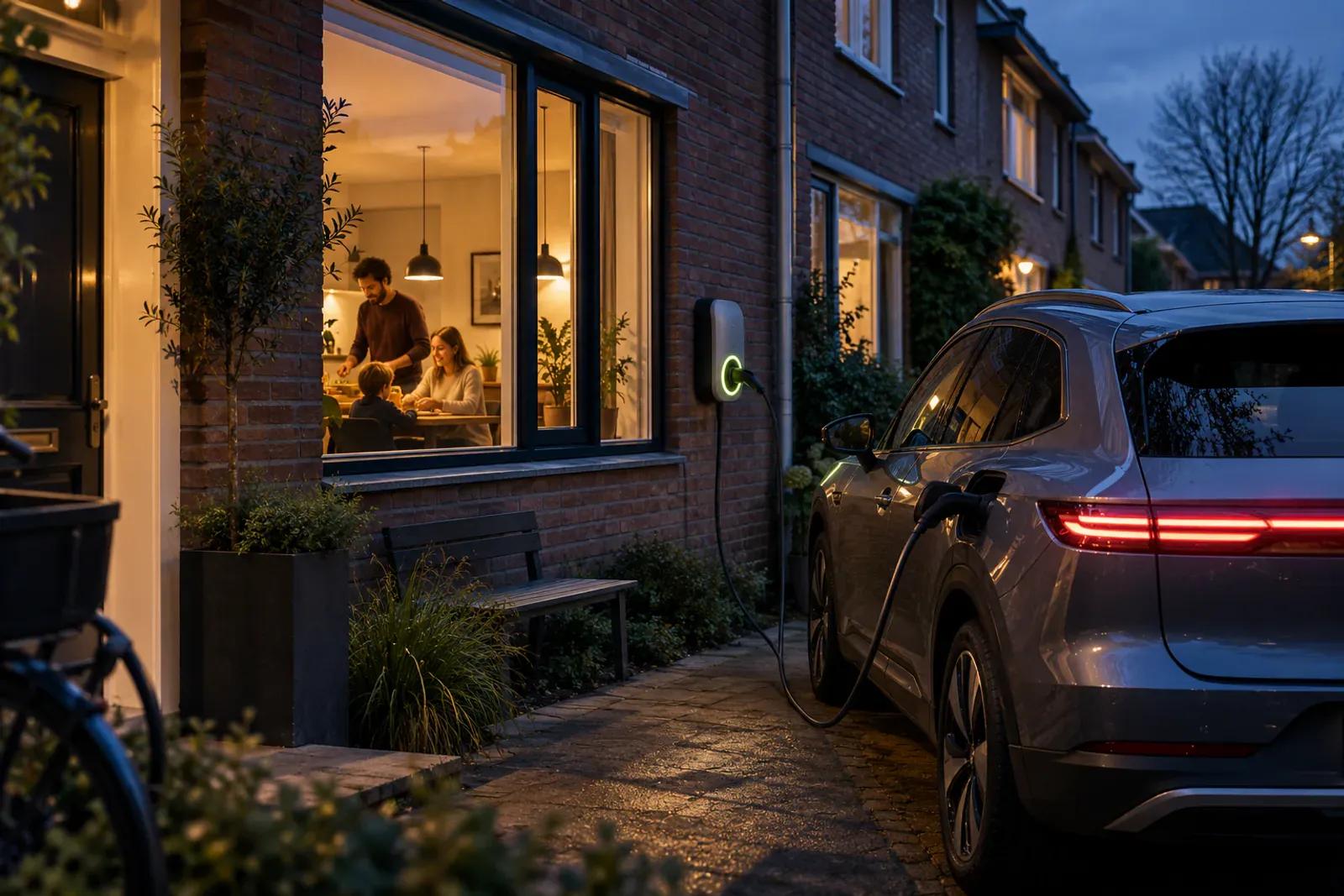
    Your car powers your own home, for example in the evening with solar power you charged during the day. You need a bidirectional charger for that.

    Not on any model in the Netherlands yet

  • V2G

    Vehicle-to-grid

    Your car feeds power back to the grid at moments that help the grid. Your energy supplier steers the charging and discharging and pays you for it.

    1 model, plus 1 closed pilot

Why so little yet

The rules lag behind, with a timeline to 2035

What the cabinet and grid operators themselves say about when bidirectional charging becomes widely possible.

  1. 2026

    Fixed pairs only

    Feeding back is only allowed with fixed combinations of car, charger and energy supplier registered with the grid operator per location. The Dutch grid code has no standard terms yet for any car with any charger.

    Answers to parliamentary questions, 30 June 2026National roadmap for bidirectional charging, June 2026

  2. 1 January 2027

    Net metering ends

    Solar power you export only earns a feed-in fee. Using it yourself becomes worth more, and so does storing power from your roof in your car.

    Government of the Netherlands, net metering

  3. 2027

    New chargers prepared

    According to the cabinet, all new chargers from 2027 meet the latest European requirements for bidirectional charging, and a national scaling programme starts.

    Answers to parliamentary questions, 30 June 2026

  4. End of 2026

    Study on double energy tax

    The cabinet is studying whether double energy tax on bidirectional charging and home batteries can be prevented. The outcome is expected at the end of 2026.

    Solar Magazine on the cabinet study, 26 September 2026

  5. 2029

    Grid code barrier removed

    The government: the barrier is solved in 2029, once grid operators have implemented the new European grid code for feeding back. A new system of time-of-use network tariffs also starts from 2029.

    Answers to parliamentary questions, 30 June 2026National roadmap for bidirectional charging, June 2026

  6. Around 2030

    Free choice

    With international open standards you are expected to get free choice of car brand and energy supplier for feeding back from 2030.

    Answers to parliamentary questions, 30 June 2026

  7. 2035

    Every new car

    The roadmap’s goal: everyone who buys a new car from 2035 can charge bidirectionally, at home, at work and on the street.

    National roadmap for bidirectional charging, June 2026

Which cars

Bidirectional charging per model, 62 cars

What the manufacturer offers in the Netherlands. If it only works abroad or only the hardware is ready, it says no, with the foreign offer in the note.

Where it says “According to ev-database.org”, we found no confirmation from the manufacturer itself. Manufacturers often switch features on per software update; check with your dealer what your car can do.

What works today

V2G with the Renault 5, and a pilot with the Kia EV9

Available since 20 May 2026

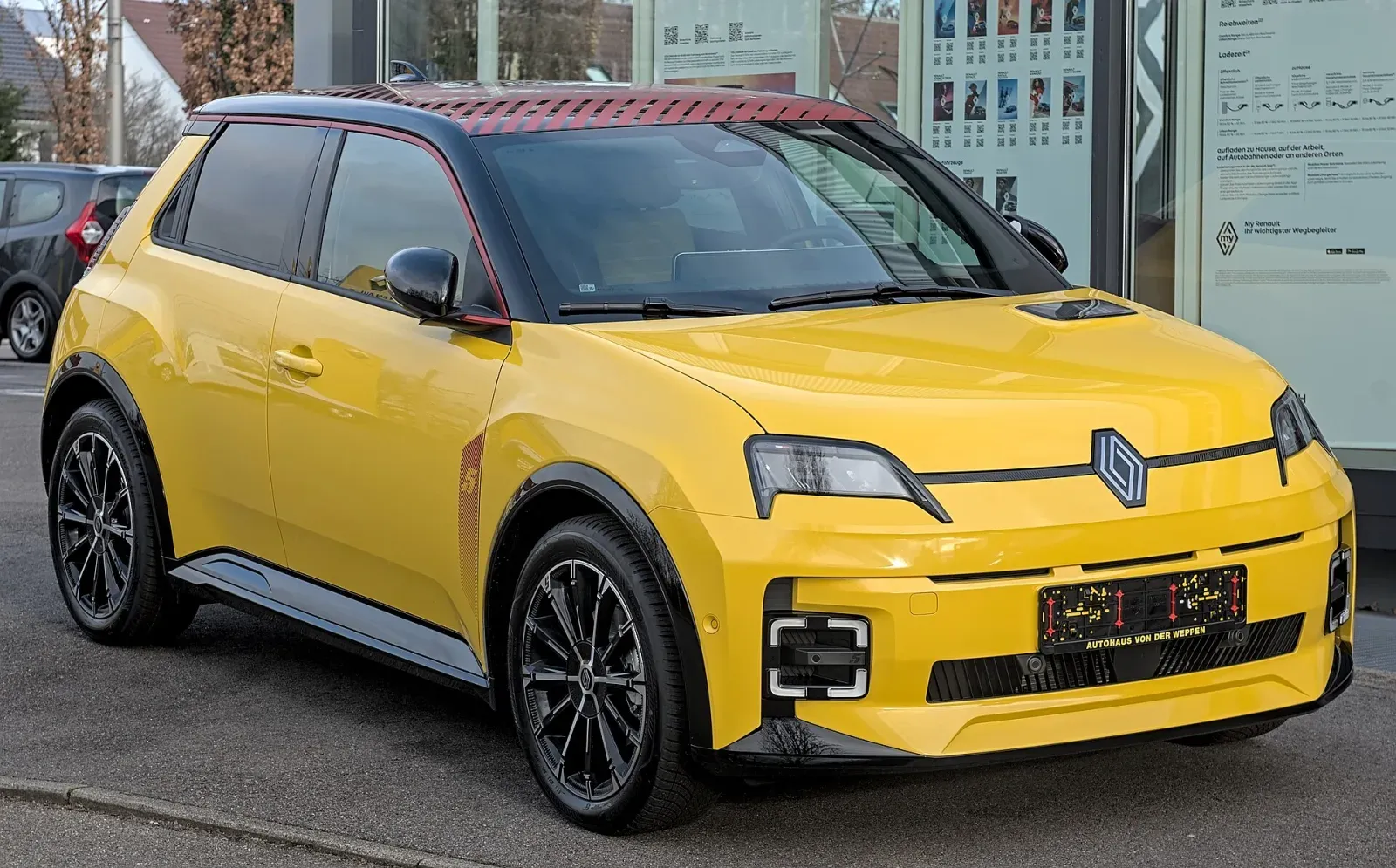
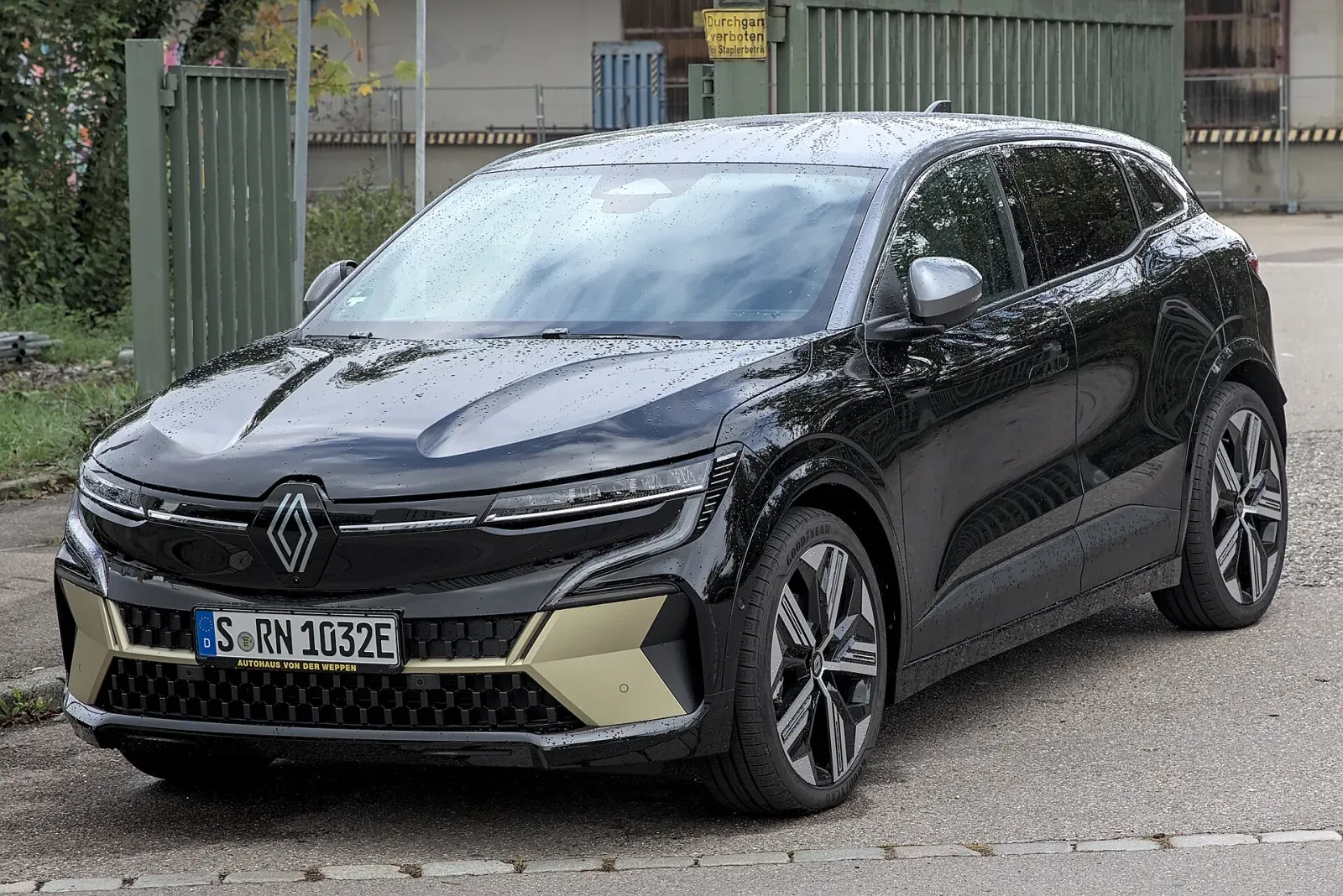
Renault 5 · Power V2G

  • For private customers, through Renault and We Drive Solar.
  • You need a We Drive Solar Solar Life charger, a dynamic contract with Hegg Energy, a smart meter and a three-phase connection.
  • Only 20% to 80% of the battery is fed back; Renault states a battery warranty of 8 years or 160,000 km.
  • The Five trim is excluded.

Renault, Power V2GRenault, V2G service conditions

Closed pilot

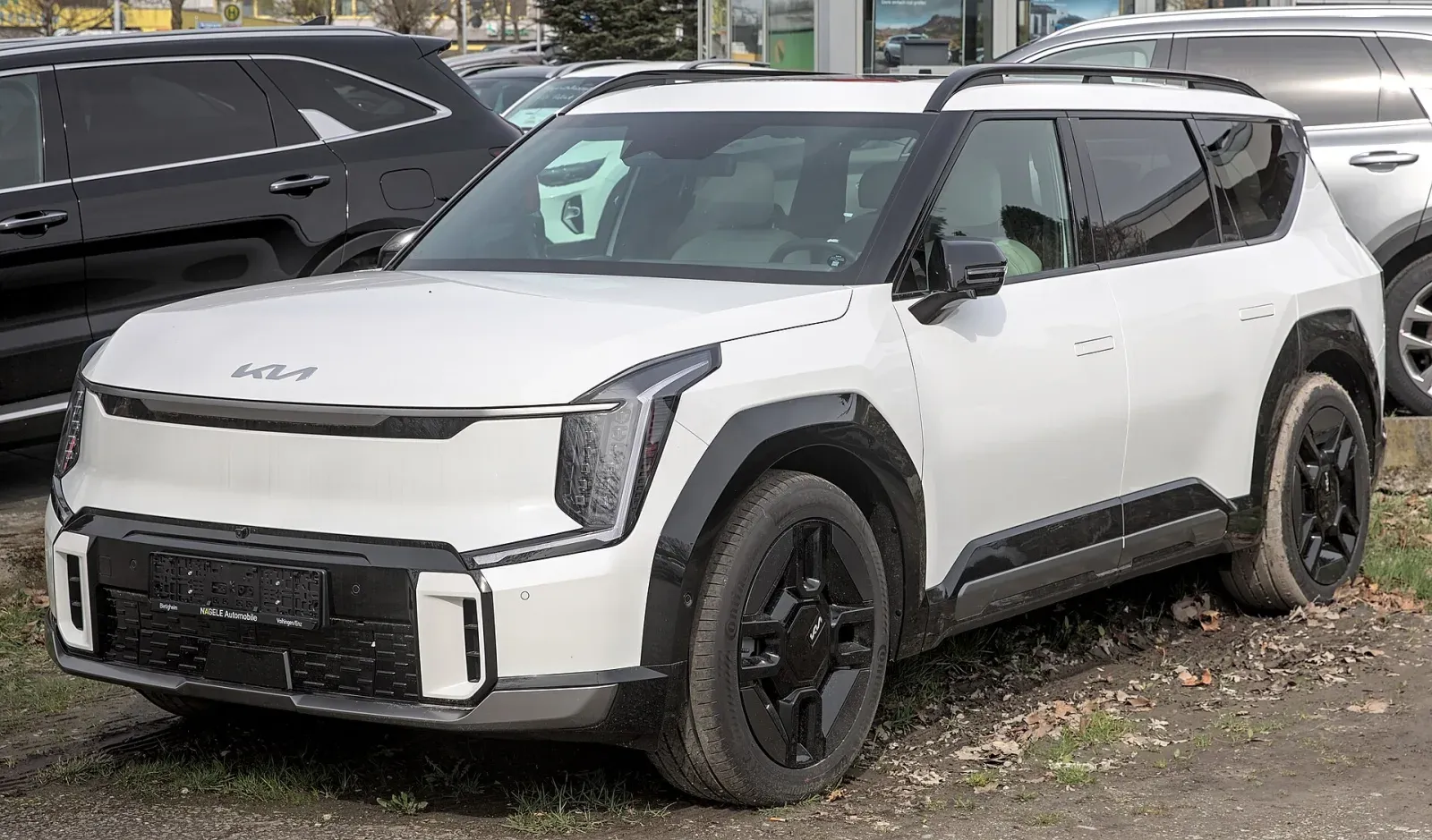
Kia EV9 · Vattenfall

  • A pilot by Kia and Vattenfall for invited EV9 drivers, since 1 July 2026; sign-up is closed.
  • The EV9 with a suitable charger was the first combination registered as energy storage in EnergieLeveren.nl.
  • According to Kia the factory warranty stays fully valid during and after the pilot. V2H is not tested in the pilot.

Kia, pilot V2G

ERE

Feeding back earns no ERE

ERE is about power that stays in your car. What your car feeds back does not count and is even netted off.

The Dutch rule (Regeling energie vervoer, Art. 9(1)): the amount booked is the kWh shown by the charging point’s meter, “waarbij terugleveringen van elektriciteit vanuit het voertuig niet ingeboekt worden” (returns from the vehicle are not booked).

For a charging point that can feed back, the verifier must also check that returned kWh are netted against what is booked. If you charge 100 kWh and your car returns 30, the difference is what counts for your ERE in principle.

How exactly that return must be measured is something the NEa asked the ministry in October 2025; we have not found separate NEa guidance for V2G yet.

Work out what home charging earns you in ERE

Questions

Questions about bidirectional charging

Can I use my electric car as a home battery?

Not in the Netherlands yet. No manufacturer offers V2H (power from your car to your home) here, even though some models can do it in Germany, Japan or the US. According to the cabinet, feeding back is currently only allowed with fixed, registered combinations of car, charger and energy supplier; that grid code barrier is solved in 2029, according to the cabinet.

Which cars can do V2G in the Netherlands?

At the moment the Renault 5, through the Power V2G service of Renault and We Drive Solar for private customers (since 20 May 2026). You need a Solar Life charger and a dynamic contract with Hegg Energy; the Five trim is excluded. For the Kia EV9 there is a closed pilot with Vattenfall.

Does feeding back with my car earn ERE?

No. Under the Regeling energie vervoer (Art. 9(1)) power returned from the vehicle is not booked. For a charging point that can feed back, the verifier must also check that returned kWh are netted against what is booked. Your ERE covers the power that stays in your car on balance.

What is V2L and which cars can do it?

V2L means your car powers devices, through a socket in the car or an adapter in the charge port, usually up to about 3.6 kW. Of the 62 models in our overview, 37 can do it in the Netherlands, often only in recent versions or after a software update. The table above shows it per model.

Do I need a special charger?

Not for V2L: that works through the car itself or an adapter. For V2H and V2G you do: a bidirectional charger approved together with your car and energy supplier and registered with the grid operator. For the Renault service that is the We Drive Solar Solar Life.

Does bidirectional charging void my battery warranty?

It differs per brand. For Power V2G Renault states a battery warranty of 8 years or 160,000 km and only lets 20% to 80% of the battery feed back. Kia says the factory warranty stays fully valid during and after the pilot. Volkswagen never discharges the battery below 20%. Read the brand’s conditions for each offer.

What is double energy tax?

According to the roadmap, double energy tax arises when you charge from the grid (taxed), store it in your car, feed it back to the grid and that power then reaches someone else (taxed again). If you store your own solar power and use it yourself, you pay no energy tax. The cabinet is studying a solution, expected at the end of 2026.