Charging costs and ERE
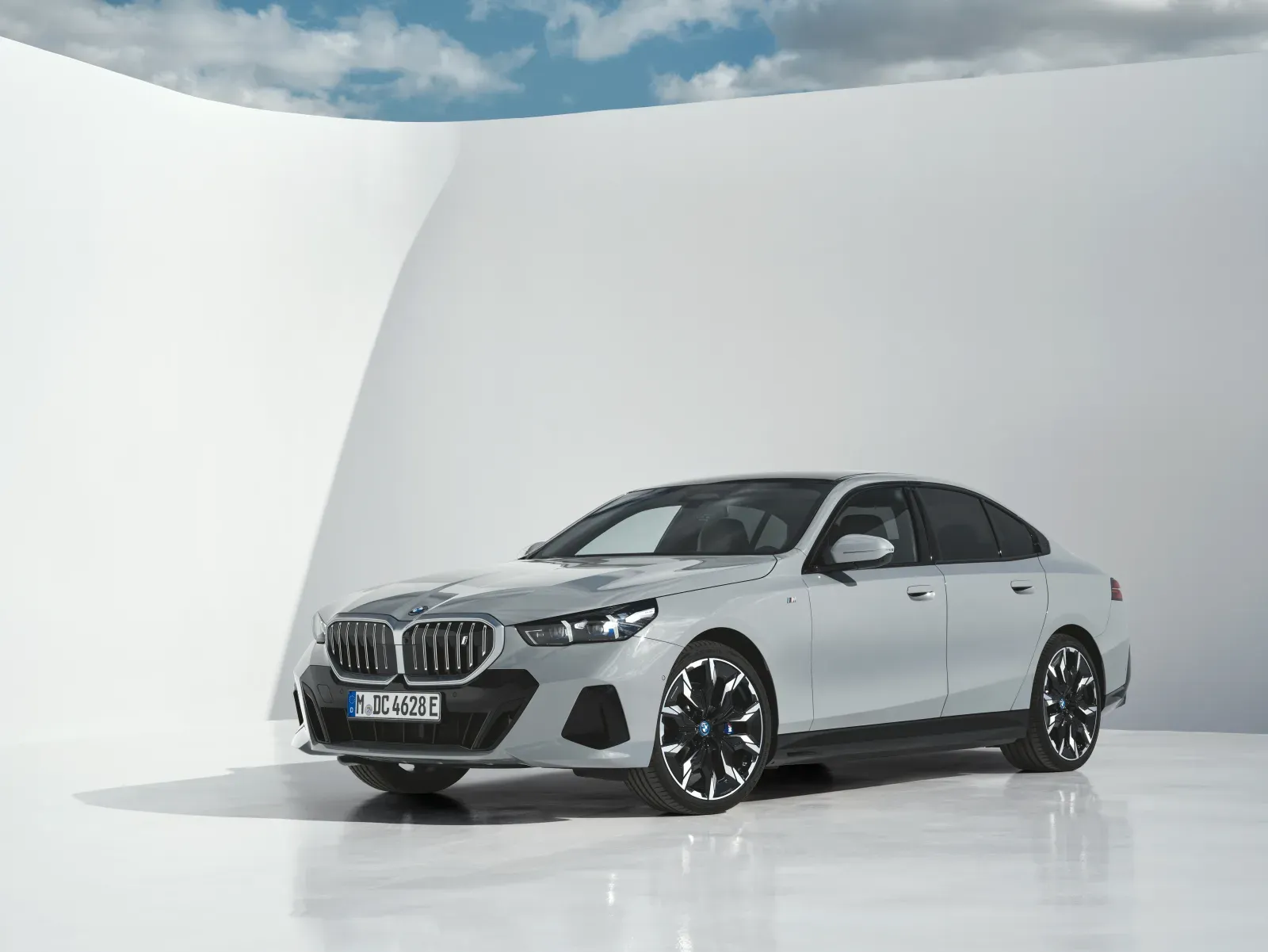
BMW i5 home chargingcharger: €4.42/100 km
What does ERE bring in with your BMW i5?
That is 2,565 kWh charged at home a year
- 1
 EV-Optimizer ERE-collectiefAfter sale€ 310 to 380+ costs, not in this amount
- 2
 StekkerAnnual€ 300 to 370
- 3
 Groen-laden.nlAnnual€ 300 to 370
Highest net per year, open offers with trust score 7+.
Compare all providersAt home, 20 to 80% takes about 5 h with 11 kW (3 phases, 16 A).According to European type approval (WLTP) a BMW i5 uses 17.1 kWh per 100 km: the median of 2,711 new registrations in the Netherlands in 2024 and 2025. Charged at home with a charger that has a built-in MID meter, that brings in about €315 a year in ERE at 15,000 km.
 All BMW models
Per year at 15,000 km
2,565 kWh of charging
- At home, smart charging
- €475
- At home, dynamic contract
- €665
- Public charging (AC)
- €1,460
- Fast charging (DC)
- €2,065
ERE from home charging
+ €315
Costs
What driving a BMW i5 costs
Per 100 km, including VAT, for each way of charging. The difference is mostly where and when you charge: from €3.18 smart at home to €13.77 at a fast charger without a card.
- 17.1kWhconsumption per 100 km according to WLTP (median)EEA, 2024 and 2025
- €4.42per 100 km at home on a dynamic contractaverage price October 2025 to September 2026
- €3.18per 100 km at home, smart charging in the 4 cheapest hoursaverage price October 2025 to September 2026
- €9.75per 100 km at a public charger without a cardmedian of networks, October 21, 2026
- €13.77per 100 km at a fast charger without a cardmedian of networks, October 21, 2026
- €315/yearin ERE at 15,000 km charged at home, after the median commissionERE price October 18, 2026
Comparison
Four ways of charging side by side
The same BMW i5, the same 17.1 kWh per 100 km: only the price per kWh differs.
BMW i5: charging cost per 100 km
Including VAT; per year at 15,000 km
- At home, smart charging€3.18
- At home, dynamic contract€4.42
- Public charging (AC)€9.75
- Fast charging (DC)€13.77
Difference per year, smart at home vs fast
€1,590
ERE from home charging, per year
€315
View the numbers
| Charging type | Price per kWh | Per 100 km | Per year (15,000 km) |
|---|---|---|---|
| At home, smart charging | €0.186 | €3.18 | €477 |
| At home, dynamic contract | €0.259 | €4.42 | €663 |
| Public charging (AC) | €0.570 | €9.75 | €1,462 |
| Fast charging (DC) | €0.805 | €13.77 | €2,065 |
Per month
What 100 km of home charging cost, month by month
On a dynamic contract the price moves with the market. For the BMW i5: charging in the evening (6 to 10 pm), at the day’s average, and smart in the 4 cheapest hours. Over the past year smart charging was €2.13 per 100 km cheaper on average than evening charging.
Home charging cost per 100 km
Per month, incl. energy tax, VAT and the median markup; excl. fixed costs
See the figures per month
| Month | Evening | Average | Smart |
|---|---|---|---|
| September 2026 | €7.02 | €5.39 | €3.52 |
| August 2026 | €6.09 | €4.83 | €2.94 |
| July 2026 | €5.38 | €4.43 | €2.69 |
| June 2026 | €6.26 | €4.51 | €2.92 |
| May 2026 | €5.37 | €4.20 | €2.49 |
| April 2026 | €5.05 | €3.99 | €2.15 |
| March 2026 | €5.35 | €4.28 | €2.90 |
| February 2026 | €4.49 | €4.16 | €3.65 |
| January 2026 | €4.73 | €4.46 | €3.93 |
| December 2025 | €4.42 | €4.26 | €3.74 |
| November 2025 | €4.70 | €4.38 | €3.78 |
| October 2025 | €4.91 | €4.15 | €3.44 |
| September 2025 | €5.22 | €4.05 | €3.00 |
| August 2025 | €4.89 | €3.99 | €2.78 |
| July 2025 | €5.04 | €4.25 | €3.20 |
| June 2025 | €4.90 | €3.84 | €2.40 |
| May 2025 | €4.84 | €3.77 | €2.15 |
| April 2025 | €4.96 | €3.99 | €2.53 |
| March 2025 | €5.31 | €4.34 | €3.09 |
| February 2025 | €5.56 | €5.05 | €4.37 |
| January 2025 | €5.27 | €4.86 | €4.03 |
| December 2024 | €5.17 | €4.83 | €3.79 |
| November 2024 | €5.41 | €4.94 | €4.20 |
| October 2024 | €5.18 | €4.40 | €3.63 |
| September 2024 | €5.19 | €4.20 | €3.13 |
| August 2024 | €5.30 | €4.19 | €2.92 |
| July 2024 | €4.86 | €3.94 | €2.77 |
| June 2024 | €4.84 | €4.00 | €2.94 |
| May 2024 | €4.82 | €3.95 | €2.74 |
| April 2024 | €4.54 | €3.80 | €2.88 |
| March 2024 | €4.43 | €3.91 | €3.36 |
| February 2024 | €4.23 | €3.92 | €3.48 |
| January 2024 | €4.51 | €4.22 | €3.72 |
| December 2023 | €4.78 | €4.46 | €3.85 |
| November 2023 | €5.33 | €4.90 | €4.14 |
| October 2023 | €5.65 | €4.82 | €3.90 |
Market price: Energy-Charts (Fraunhofer ISE), data Bundesnetzagentur | SMARD.de (CC BY 4.0)
Tax rates: Belastingdienst. Compare dynamic contracts
Per year
Charging costs and ERE per year
If you charge everything one way. The ERE column applies to kWh charged at home; amounts rounded to €5.
| Km per year | kWh | Smart at home | At home | Public | Fast | ERE |
|---|---|---|---|---|---|---|
| 10,000 km | 1,710 | €320 | €440 | €975 | €1,375 | €210 |
| 15,000 km | 2,565 | €475 | €665 | €1,460 | €2,065 | €315 |
| 20,000 km | 3,420 | €635 | €885 | €1,950 | €2,755 | €420 |
| 25,000 km | 4,275 | €795 | €1,105 | €2,435 | €3,440 | €525 |
Calculate your own situation
Choose your kilometres per year, how much you charge at home and how you charge on the road.
BMW i5
- Charging cost per year
- €825
- €5.49 per 100 km on average
- ERE per year, net
- €250
- only on kWh charged at home, with a charger that has a built-in MID meter
After ERE€570
kWh per year2,565 kWh
€530 at home, €290 away
Home charger
Which home charger suits the BMW i5?
The BMW i5 charges at home at up to 11 kW three-phase. A 11 kW (3 phases, 16 A) charger is enough: it charges from 20 to 80% in about 5 h. A 22 kW charger does not make it faster. With the optional 22 kW onboard charger and a 22 kW charger it takes about 2 h 30 min.
- Onboard charger (AC)
- 11 kW
- 3 phases
- Battery, usable
- 81.2 kWh
- Fast charging (DC), max.
- 205 kW
22 kW onboard charger is optional (ev-database lists it as standard on the M60).
For ERE the charger matters, not the car: home charging only earns ERE with a MID meter built into the charger. Do the charger check
Sources: BMW Group press release: the new BMW 5 Series Sedan / i5 ↗ · BMW Group media information i5 xDrive40 (technical data, 03/2024) ↗ · ev-database: BMW i5 eDrive40 Sedan (MY25) ↗ · checked on October 6, 2026
- Charging power
- 11 kW
- Charging time
- 5 h
- Km added per hour
- 64 km
- Km added in 8 hours
- 515 km
Every home charger for this car
- 3.7 kW (1 phase, 16 A)14 h 45 min
- 7.4 kW (1 phase, 32 A)7 h 15 min to 14 h 45 min
- 11 kW (3 phases, 16 A)Best fit5 h
- 22 kW (3 phases, 32 A)5 h
Assuming 81.2 kWh usable battery and 10% charging losses. Real times depend on temperature, state of charge and your connection.
Bidirectional charging
Can the BMW i5 supply power back?
No V2L, V2H or V2G in the Netherlands. BMW starts bidirectional charging with the new iX3 (Neue Klasse).
Outside the Netherlands: V2L and V2H only in Japan via a CHAdeMO adapter, for use during power cuts.
What works in the Netherlands today?ERE
Earning ERE with your BMW i5
For every kWh you charge at home you can have emission reduction units (ERE) registered and sold, through an ERE provider. Public charging does not count for you.
A charger with a built-in MID meter
Since 1 January 2026, only a MID meter built into the charger itself counts for private users. A separate MID meter in the meter cupboard, or only a smart meter, is not enough. Of the 110 charger models we researched, 53 have a built-in MID meter.
An ERE provider
The provider books your charging sessions with the NEa and sells the EREs. Commissions range from 10% to 28%; above we use the median of 20%.
Compare ERE providersCheaper at home and on the road
With a dynamic contract and smart charging you pay the least per kWh at home; on the road a suitable charging card makes a difference.
How we calculate, at 15,000 km
- Charged at home
- 2,565 kWh
- × 0.33269 ERE per kWh
- 853 ERE
- × €0.460 per ERE
- €393
- − 20% commission (median)
- €79
Net per year, about
€315
ERE price: median of named sources, October 18, 2026. The price moves with the market; earnings differ by provider.
Consumption
The BMW i5’s consumption, from EU data
WLTP is the European test procedure for type approval: a laboratory measurement at the socket, so including charging losses. Real consumption is often higher, especially in winter and at motorway speeds. We apply no correction.
Median, all registrations
171Wh/km
80% of registrations are between 162 and 188 Wh/km (battery, wheels, drive).
Per year
- 2024
- 173 Wh/km1,393 registrations
- 2025(provisional)
- 166 Wh/km1,318 registrations
Names grouped in the data
- I5 EDRIVE40
- I5 M60 XDRIVE
- I5 XDRIVE40
Source: Monitoring of CO2 emissions from passenger cars - Regulation (EU) 2019/631, field “Z (Wh/km)”, new registrations in the Netherlands 2024 and 2025. © European Commission, DG CLIMA / European Environment Agency (EEA), CC BY 4.0. Retrieved on September 27, 2026.
Similar
Other models
From BMW and with similar consumption.
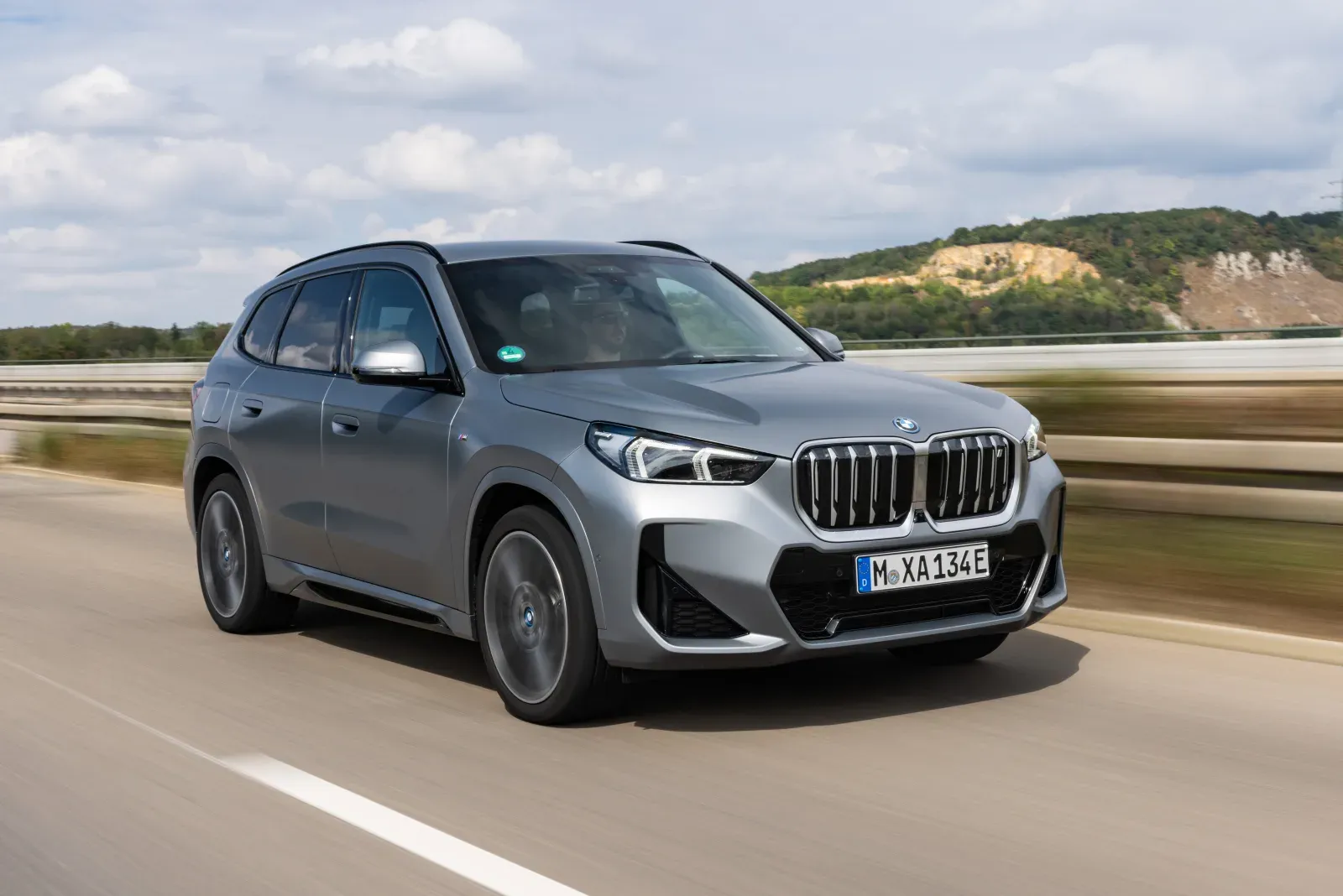
BMW
iX1
- Consumption
- 16.2kWh
- Home, 100 km
- €4.19
- ERE per year
- €300
Photo: BMW Group
BMW
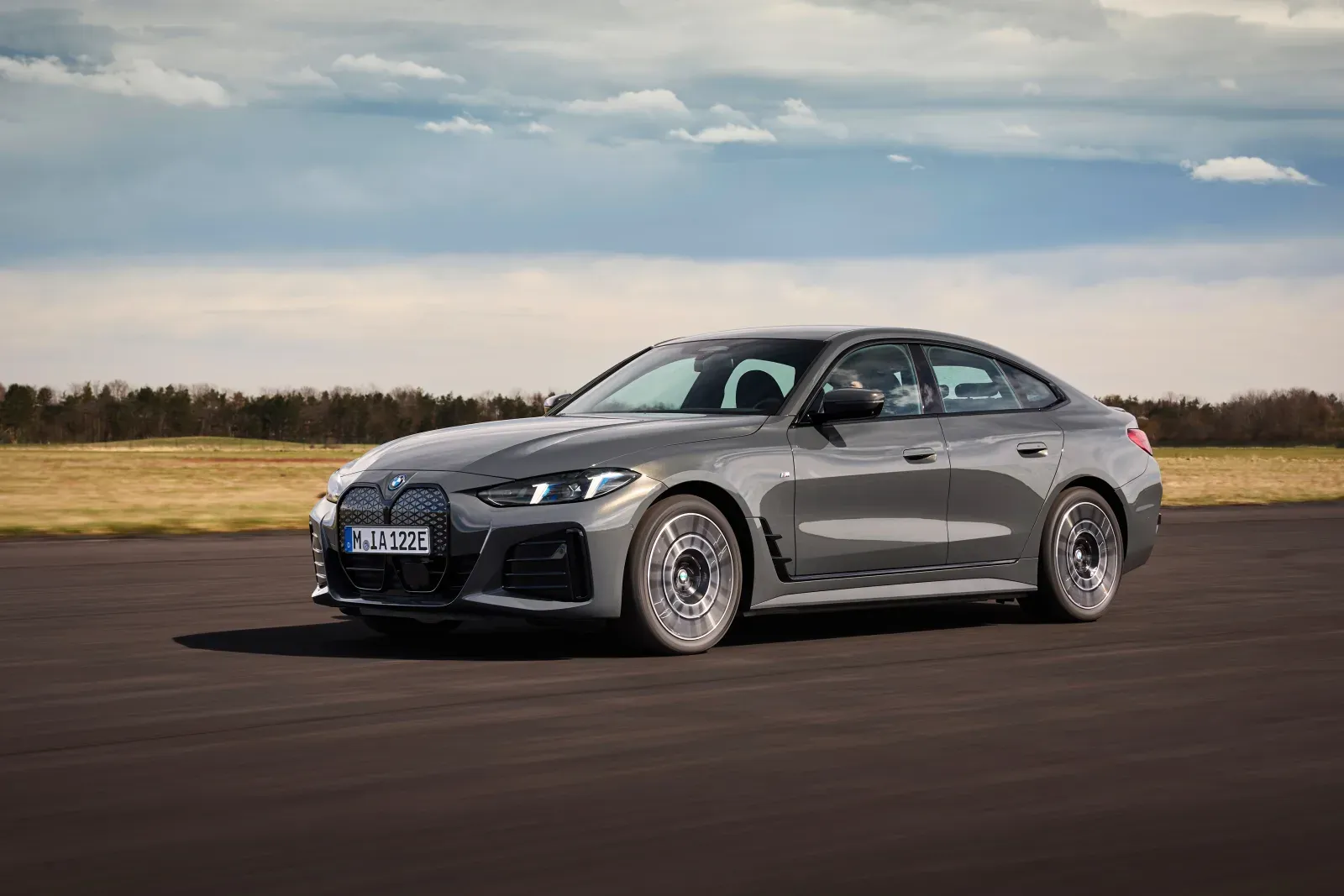
i4
- Consumption
- 16.3kWh
- Home, 100 km
- €4.21
- ERE per year
- €300
Photo: BMW Group
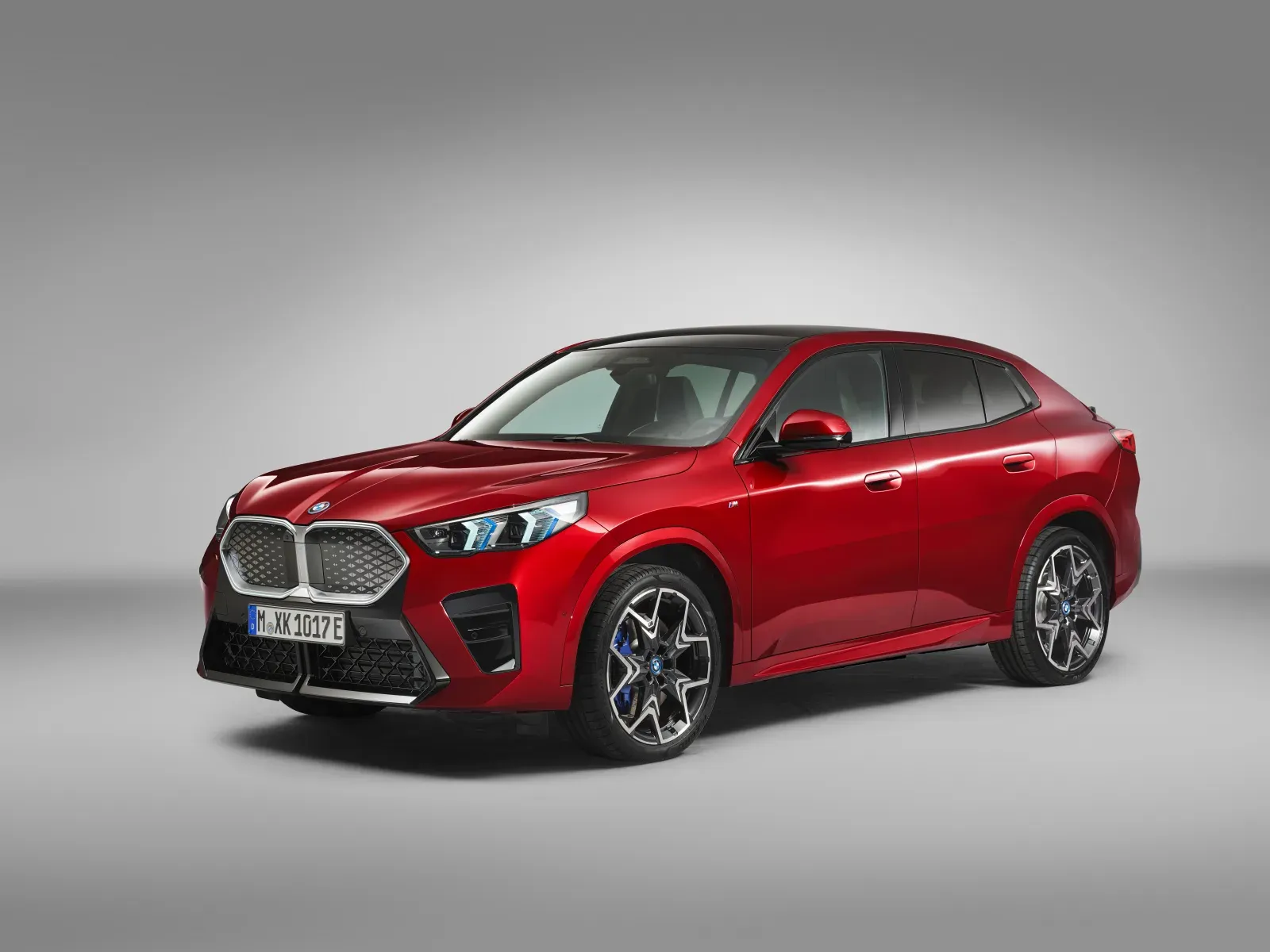
BMW
iX2
- Consumption
- 16.3kWh
- Home, 100 km
- €4.21
- ERE per year
- €300
Photo: BMW Group
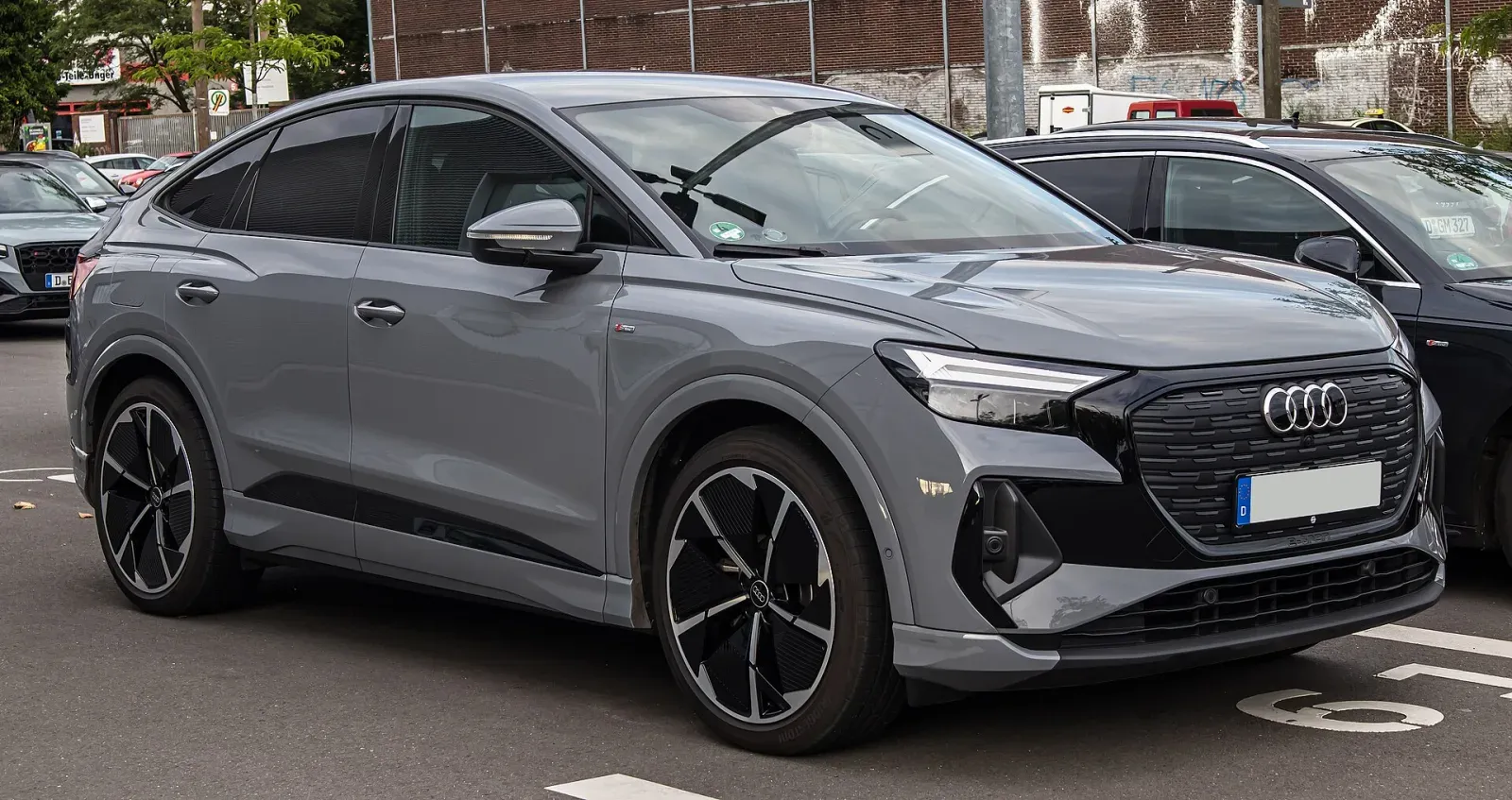

Audi
Q4 e-tron
- Consumption
- 17.1kWh
- Home, 100 km
- €4.42
- ERE per year
- €315
Photo: M 93, CC BY-SA 3.0 de, Wikimedia Commons
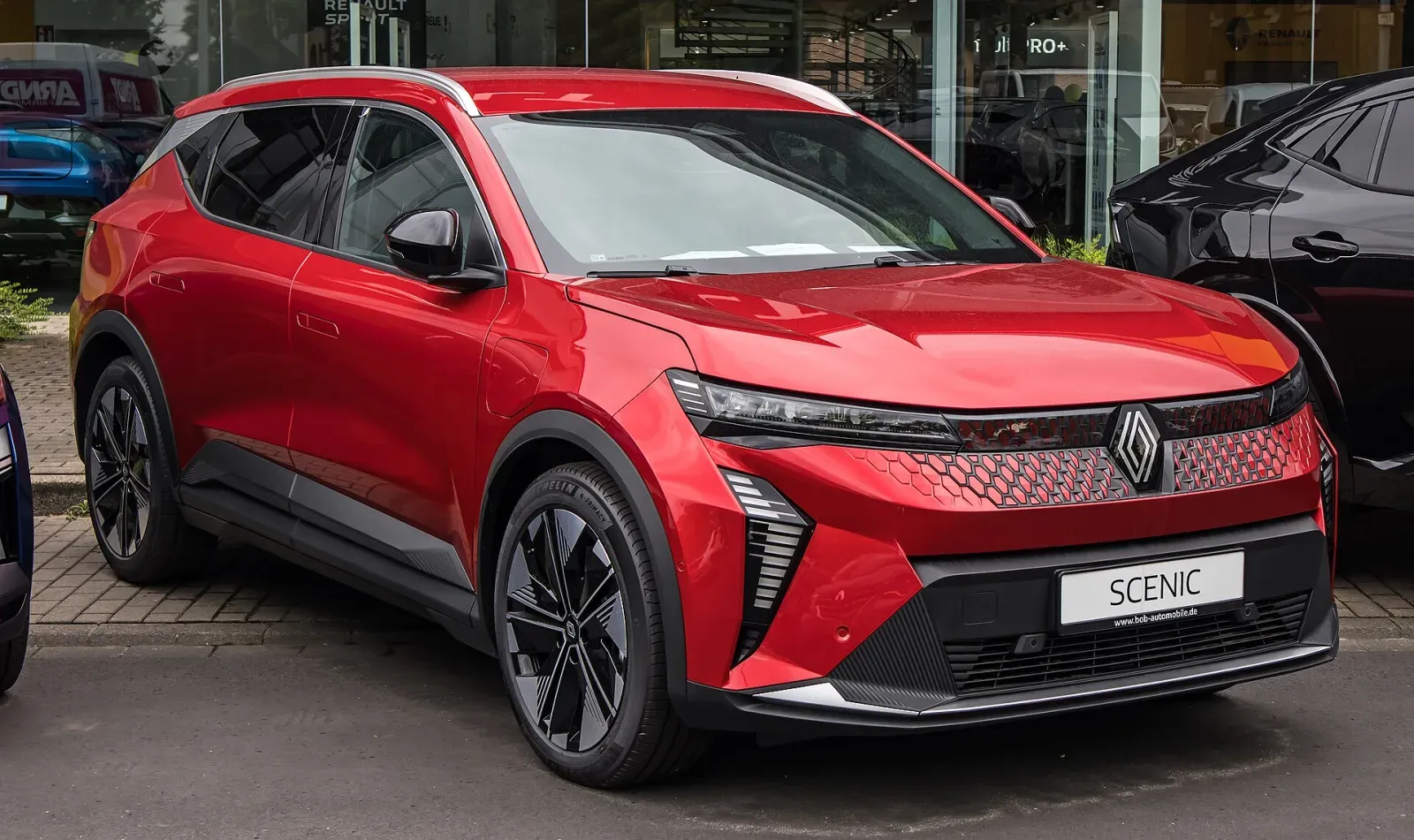

Renault
Scenic E-Tech
- Consumption
- 17.1kWh
- Home, 100 km
- €4.42
- ERE per year
- €315
Photo: M 93, CC BY-SA 3.0 de, Wikimedia Commons
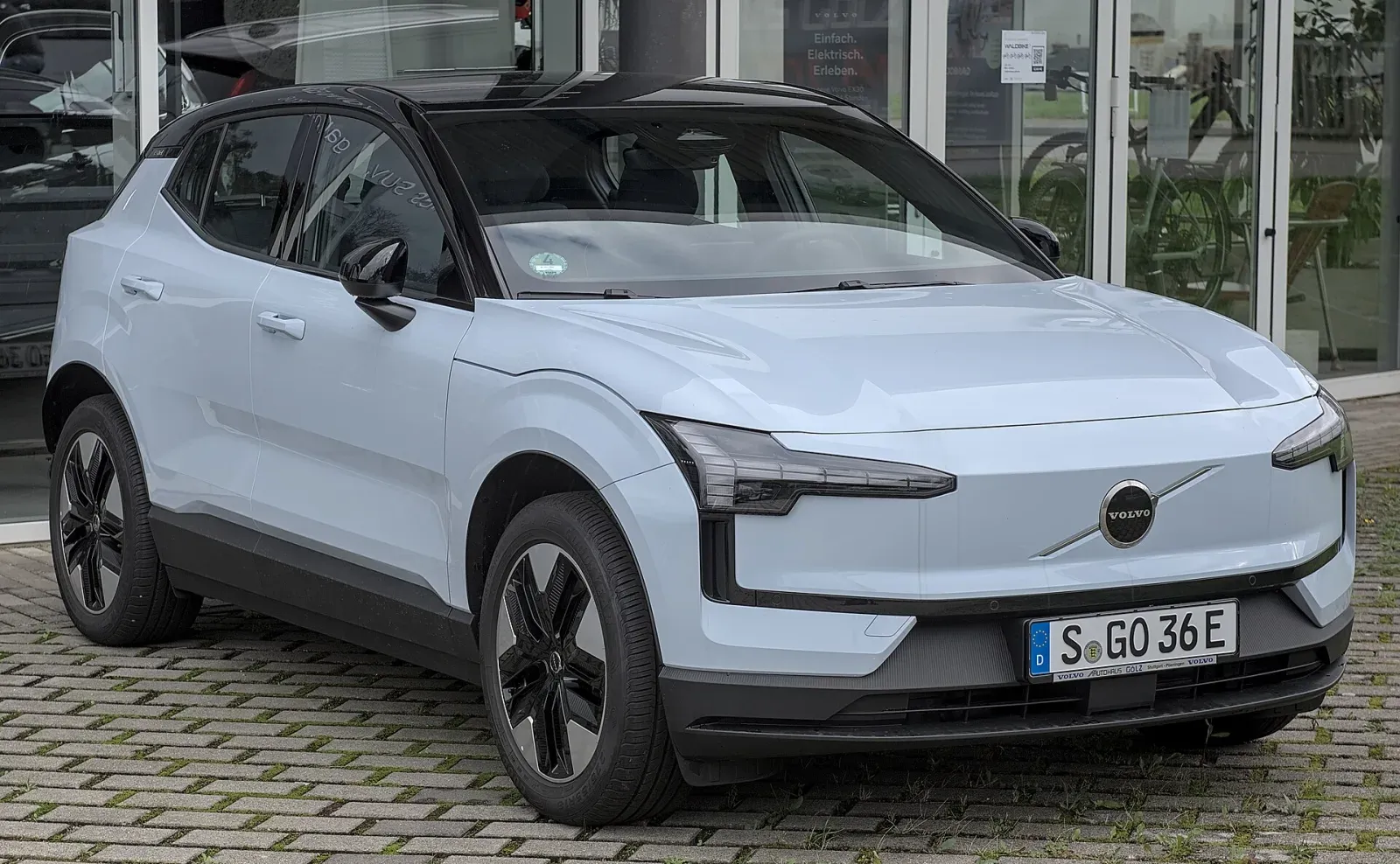

Volvo
EX30
- Consumption
- 17.0kWh
- Home, 100 km
- €4.39
- ERE per year
- €310
Photo: Alexander Migl, CC BY-SA 4.0, Wikimedia Commons
Questions
Questions about the BMW i5
How much electricity does a BMW i5 use?
According to type approval (WLTP) 17.1 kWh per 100 km, including charging losses: the median of 2,711 new registrations in the Netherlands in 2024 and 2025 (EEA). Depending on the version it is usually between 16.2 and 18.8 kWh. Real consumption is often higher, especially in winter and on the motorway.
Which home charger suits the BMW i5?
The BMW i5 charges at home at up to 11 kW three-phase. A 11 kW (3 phases, 16 A) charger is enough: it charges from 20 to 80% in about 5 h. A 22 kW charger does not make it faster. With the optional 22 kW onboard charger and a 22 kW charger it takes about 2 h 30 min. For ERE the charger needs a built-in MID meter.
How long does charging a BMW i5 at home take?
With a 11 kW (3 phases, 16 A) charger the BMW i5 charges from 20 to 80% in about 5 h, and from 10 to 100% in about 7 h 30 min (81.2 kWh usable battery, 10% charging losses). On a 3.7 kW charger 20 to 80% takes about 14 h 45 min.
What does charging a BMW i5 at home cost per 100 km?
On a dynamic contract €4.42 per 100 km, at the average price of €0.259 per kWh over October 2025 to September 2026 (market price, energy tax, VAT and the median markup). If you only charge in the 4 cheapest hours of the day, it is €3.18.
What does a BMW i5 cost per year in charging?
At 15,000 km a year you charge about 2,565 kWh. That costs €665 at home on a dynamic contract, €475 if you charge smart, €1,460 at public chargers without a card and €2,065 if you fast-charge everything without a card.
How much ERE does a BMW i5 earn?
Charging 15,000 km a year at home is 2,565 kWh, or 853 ERE. At €0.460 per ERE and after the median commission of 20% that is about €315 a year. Since 1 January 2026, private users need a charger with a built-in MID meter; public charging earns you no ERE.
What does fast charging a BMW i5 cost?
Without a card €13.77 per 100 km, at the median price of €0.80 per kWh across the 4 fast-charging networks that publish one (October 21, 2026). A subscription or a network’s own app can be cheaper; compare them under charging cards.