Electric cars
Charging costs per electric car
The consumption of the 62 electric cars most registered in the Netherlands according to European type approval, and what it means for your charging costs per 100 km and your ERE earnings per year. Every figure sourced.
Consumption: EEA, registrations 2024 and 2025. Prices updated October 21, 2026.
What a kWh costs, incl. VAT
- At home, smart charging€0.19
- At home, dynamic contract€0.26
- Public charging (AC)€0.57
- Fast charging (DC)€0.80
At home: average of October 2025 to September 2026. Public and fast: median of the networks, without a card.
- 62models, together 90% of all new electric cars in 2024 and 2025
- 16.2kWhmedian consumption per 100 km (WLTP), from 13.1 to 22.1
- €4.17per 100 km charging at home on a dynamic contract; smart charging €3.00
- €295/yearin ERE at 15,000 km charged at home, after the median commission
Popular in the Netherlands
The 9 most registered electric cars
Consumption, what 100 km of home charging costs and your ERE per year at 15,000 km. In order of new registrations in 2024 and 2025.
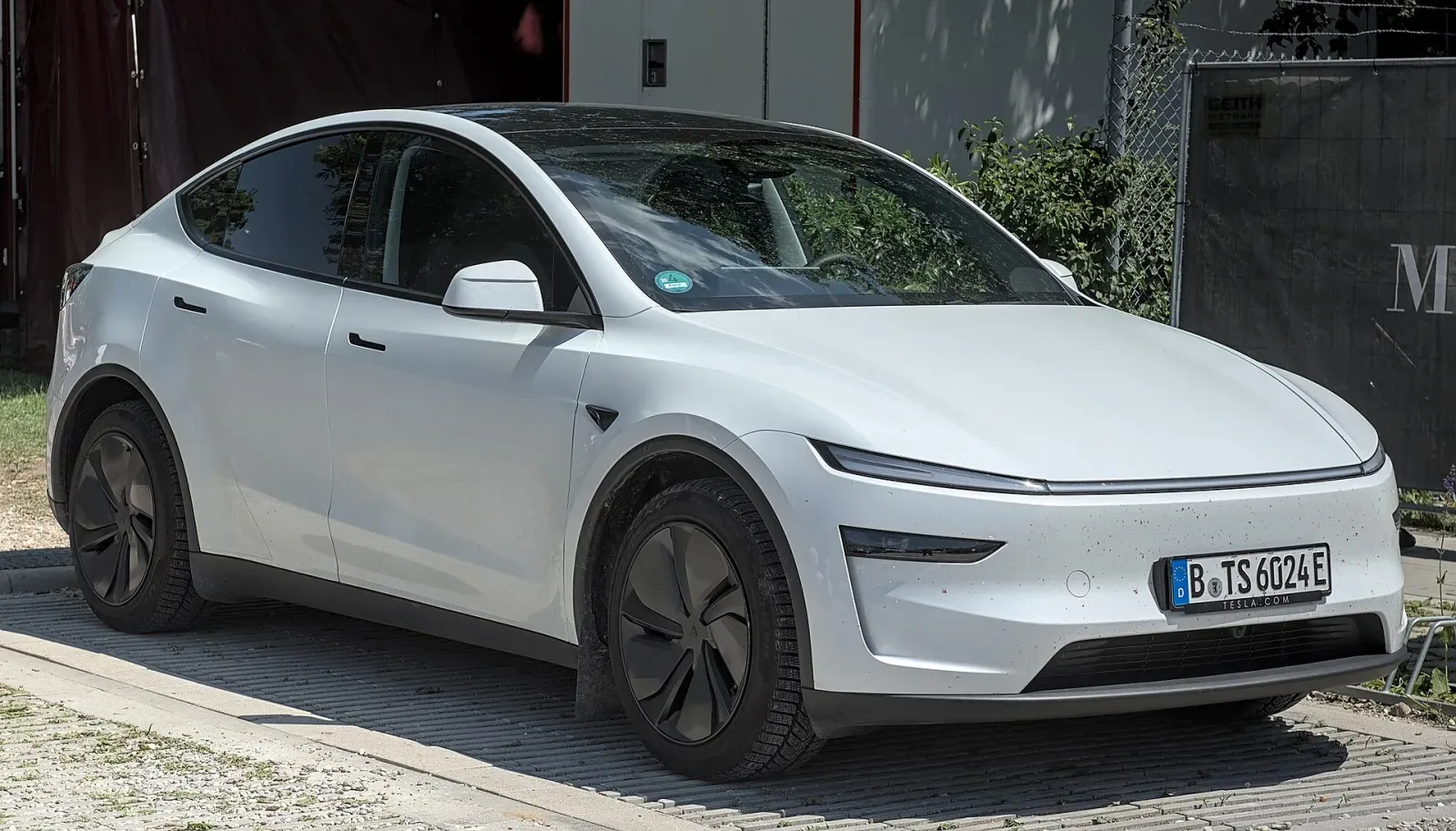 #1

Tesla
Model Y
- Consumption
- 15.7kWh
- Home, 100 km
- €4.06
- ERE per year
- €290
Photo: Alexander Migl, CC BY-SA 4.0, Wikimedia Commons
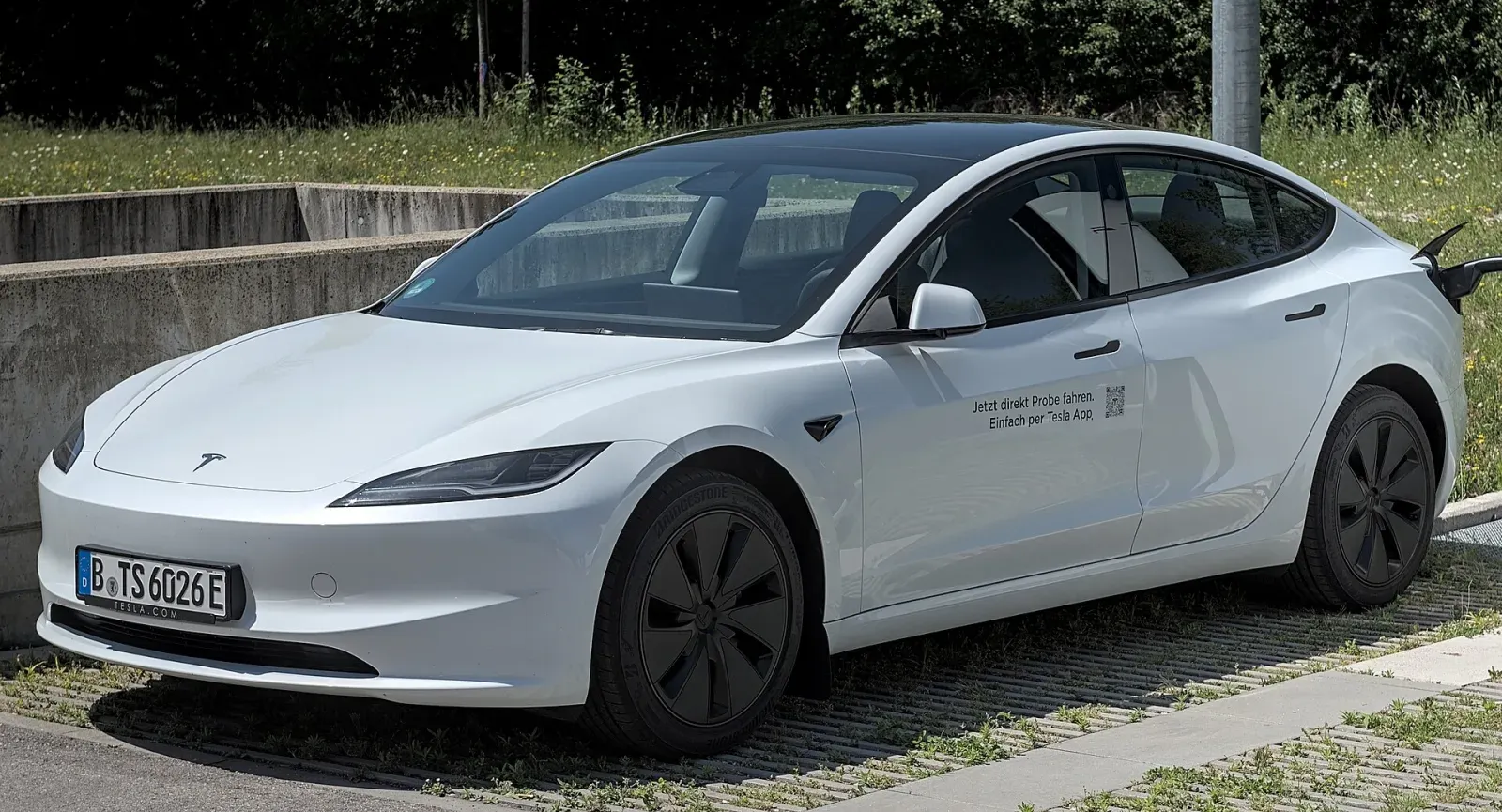 #2
Tesla
Model 3
- Consumption
- 13.2kWh
- Home, 100 km
- €3.41
- ERE per year
- €240
Photo: Alexander Migl, CC BY-SA 4.0, Wikimedia Commons
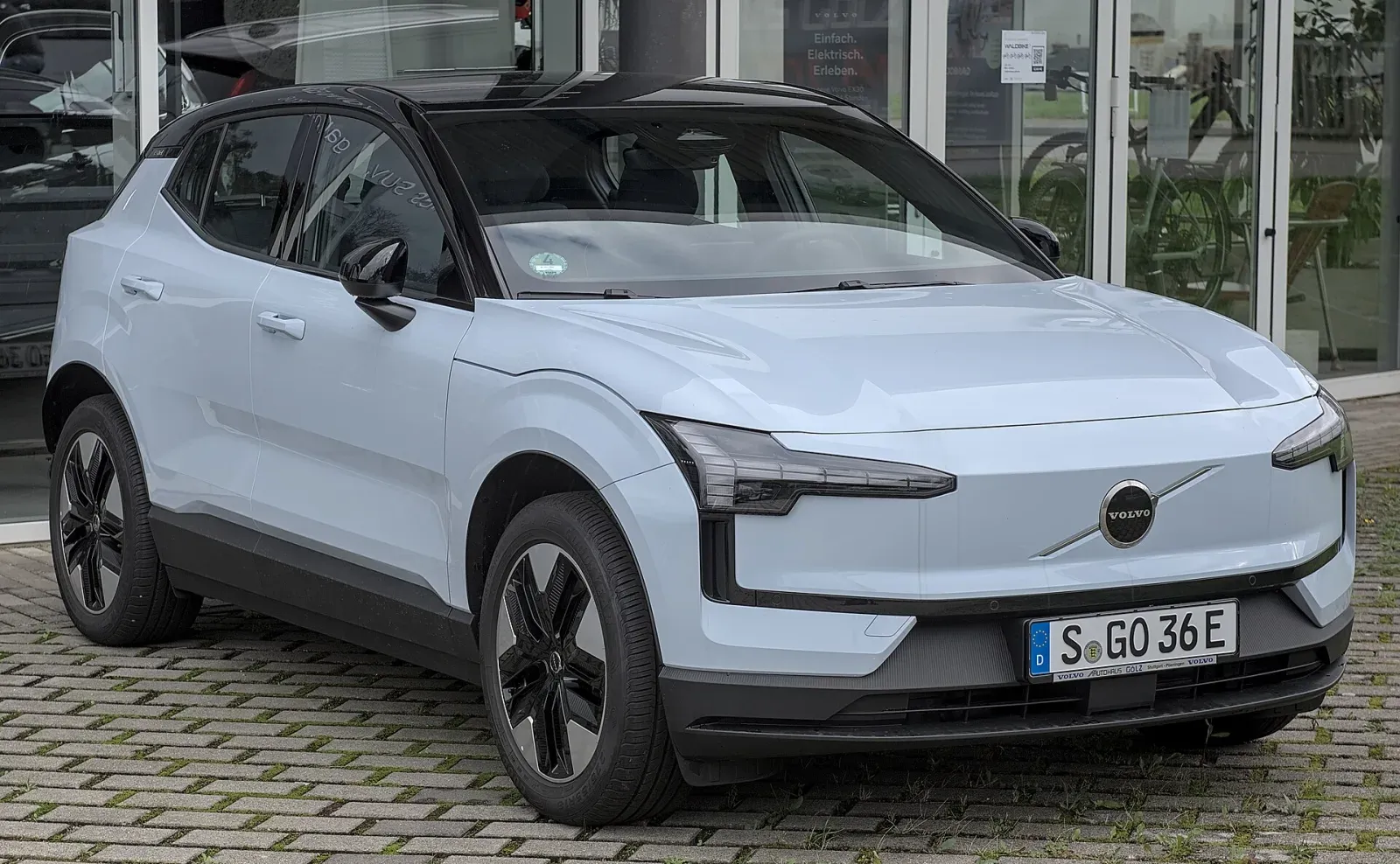 #3

Volvo
EX30
- Consumption
- 17.0kWh
- Home, 100 km
- €4.39
- ERE per year
- €310
Photo: Alexander Migl, CC BY-SA 4.0, Wikimedia Commons
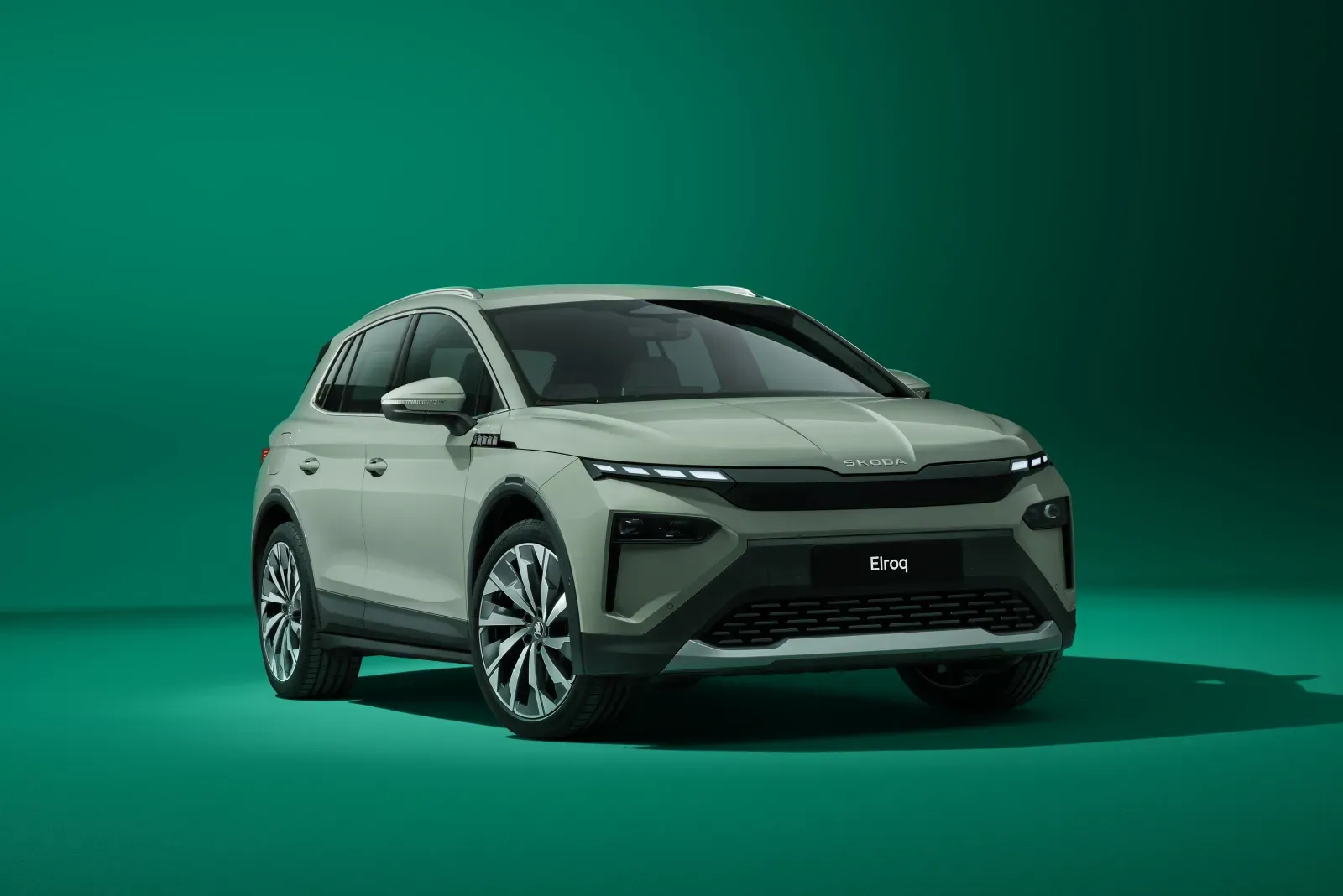 #4

Skoda
Elroq
- Consumption
- 15.7kWh
- Home, 100 km
- €4.06
- ERE per year
- €290
Photo: Škoda
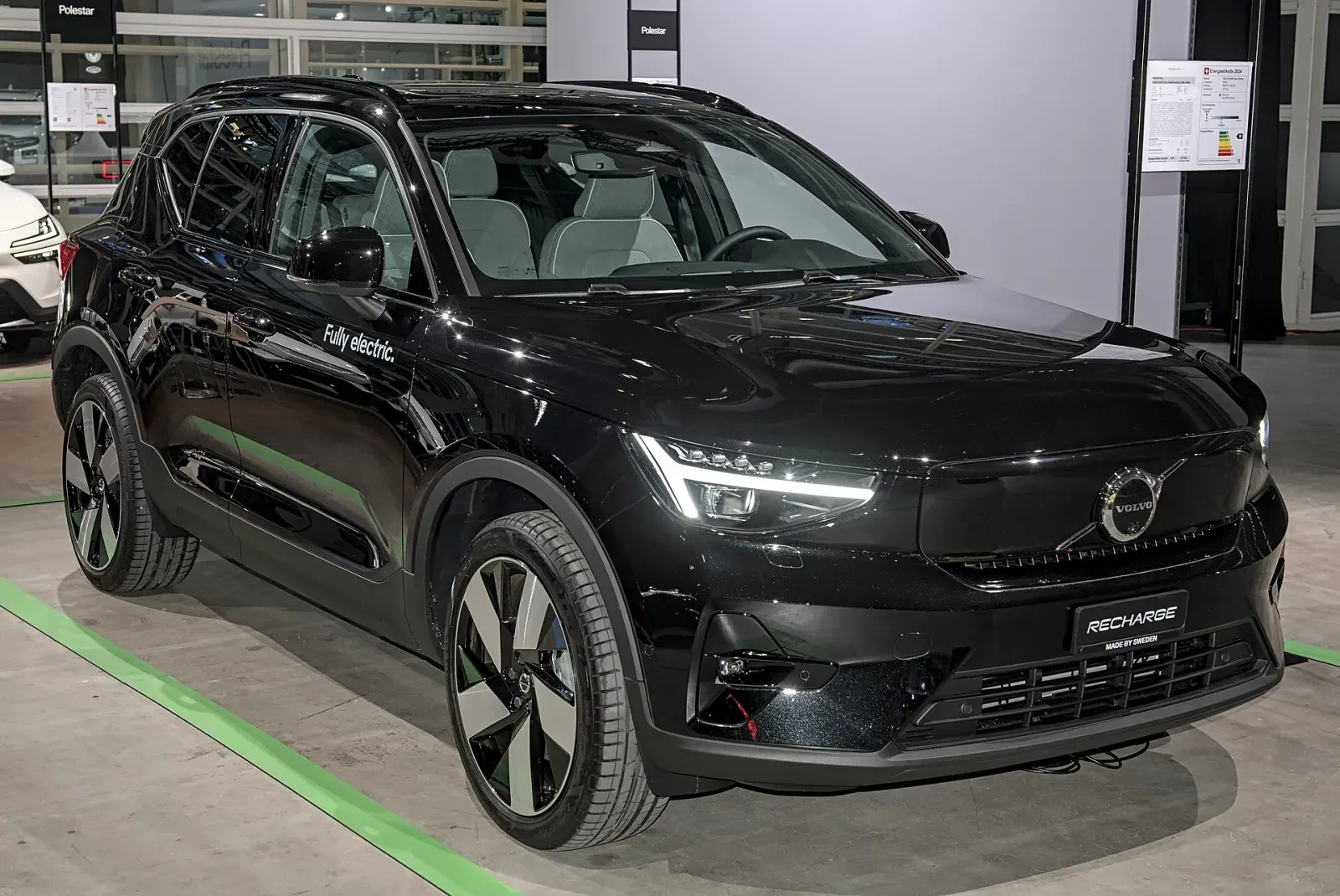 #5
Volvo
EX40
- Consumption
- 16.9kWh
- Home, 100 km
- €4.37
- ERE per year
- €310
Photo: Alexander-93, CC BY-SA 4.0, Wikimedia Commons
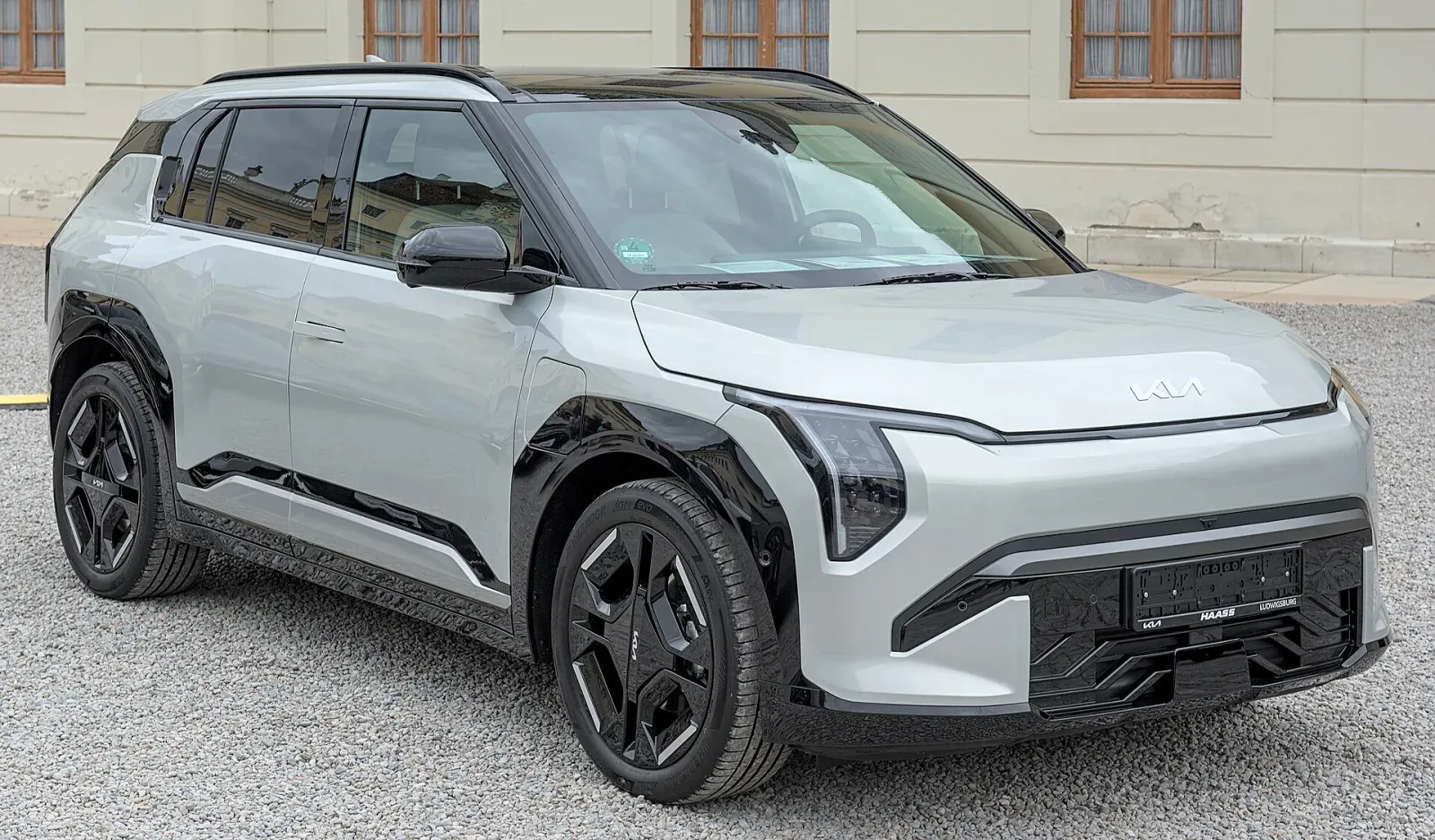 #6

Kia
EV3
- Consumption
- 14.9kWh
- Home, 100 km
- €3.85
- ERE per year
- €275
Photo: Alexander Migl, CC BY-SA 4.0, Wikimedia Commons
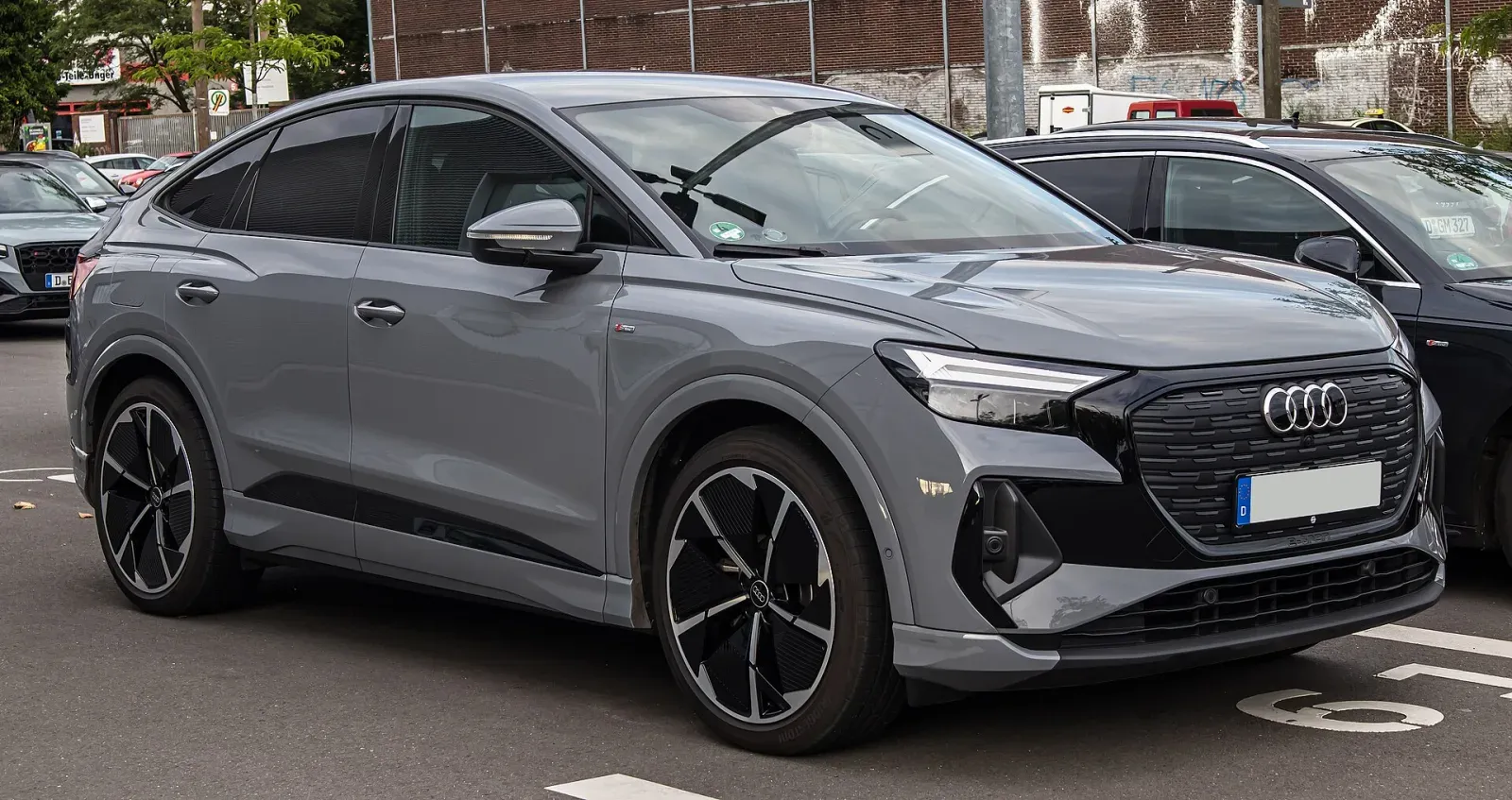 #7

Audi
Q4 e-tron
- Consumption
- 17.1kWh
- Home, 100 km
- €4.42
- ERE per year
- €315
Photo: M 93, CC BY-SA 3.0 de, Wikimedia Commons
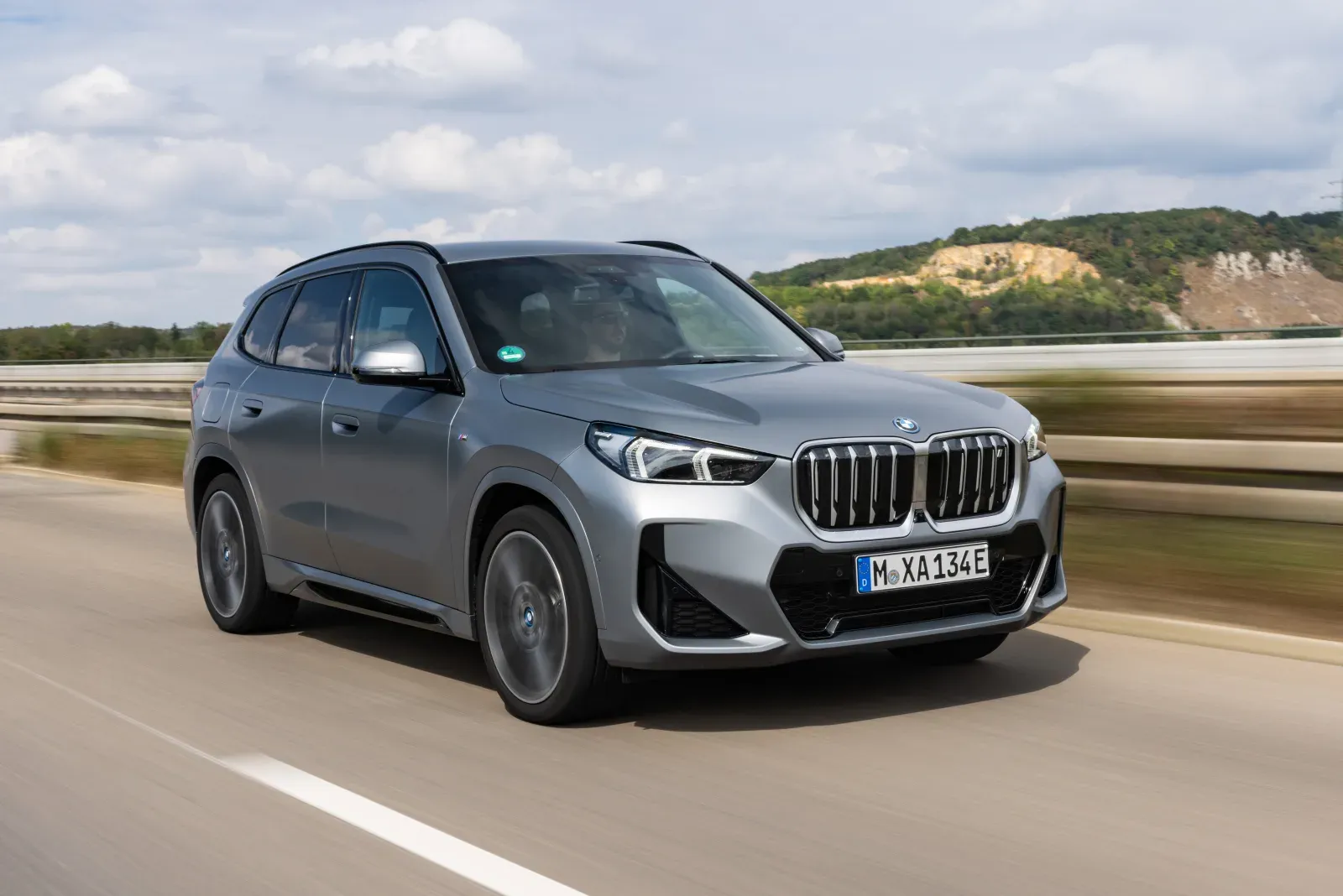 #8

BMW
iX1
- Consumption
- 16.2kWh
- Home, 100 km
- €4.19
- ERE per year
- €300
Photo: BMW Group
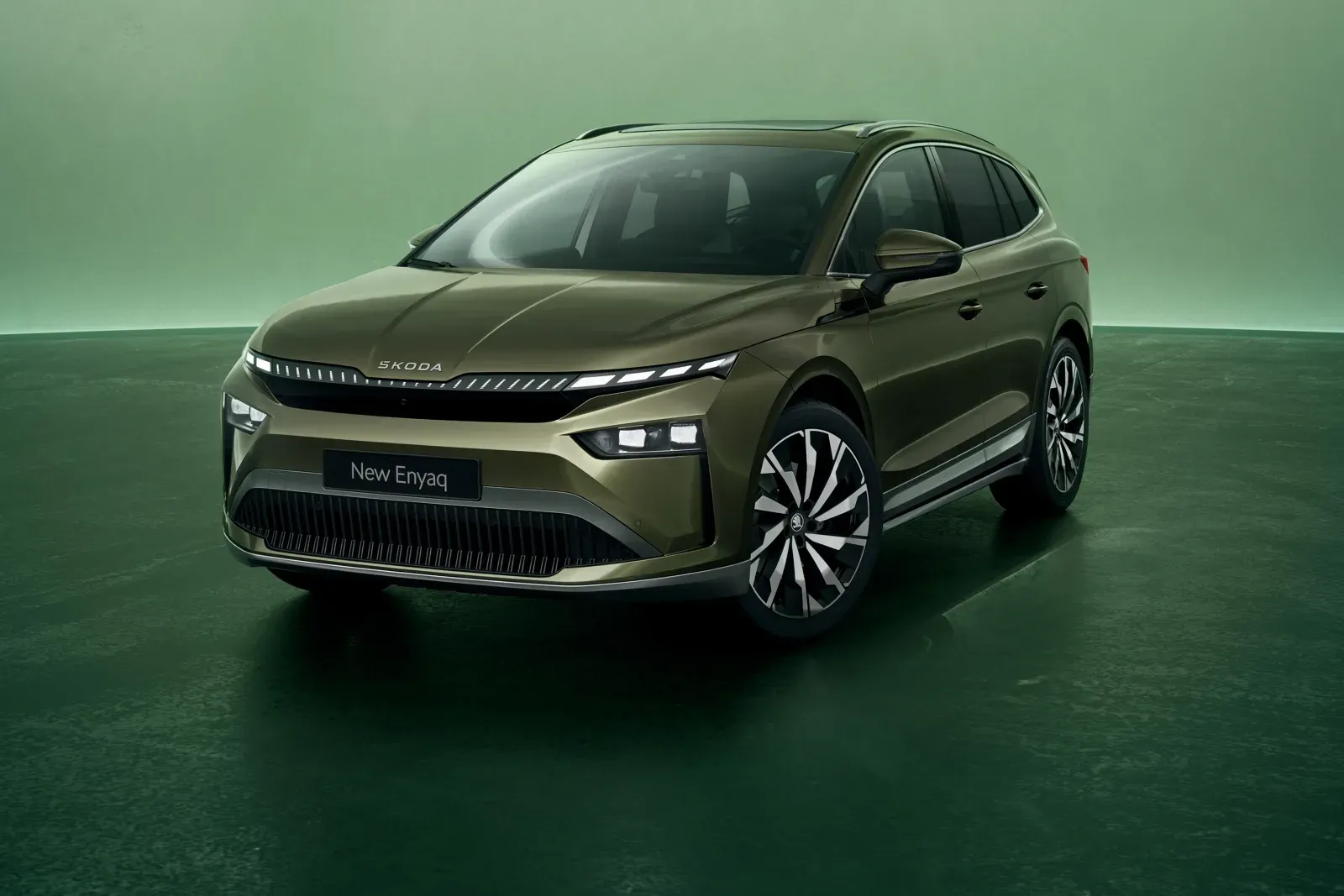 #9
Skoda
Enyaq
- Consumption
- 15.5kWh
- Home, 100 km
- €4.01
- ERE per year
- €285
Photo: Škoda
By brand
Electric cars by brand
The 25 brands in this data, in order of new registrations in 2024 and 2025. Each brand links to its models, with the same consumption and the same ERE calculation as on the model page. The brand does not change earnings per kWh.
- Tesla2 models
- Volvo4 models
- Kia4 models
- Skoda2 models
- BMW4 models
- Audi4 models
 Volkswagen3 models
 Renault3 models
 Hyundai3 models
 Mercedes-Benz4 models
 Peugeot4 models
 Mini3 models
 Ford3 models
 Polestar2 models
 Citroën2 models
 Cupra2 models
 Opel2 models
 MG2 models
 BYD2 models
 Jeep1 model
 Xpeng2 models
 Dacia1 model
 Toyota1 model
 Porsche1 model
 Nissan1 model
All models
Consumption, charging costs and ERE per model
Costs per 100 km, ERE per year at 15,000 km charged at home. Sorted by registrations in 2024 and 2025; click a column to sort differently.
62 models
No models match these filters.
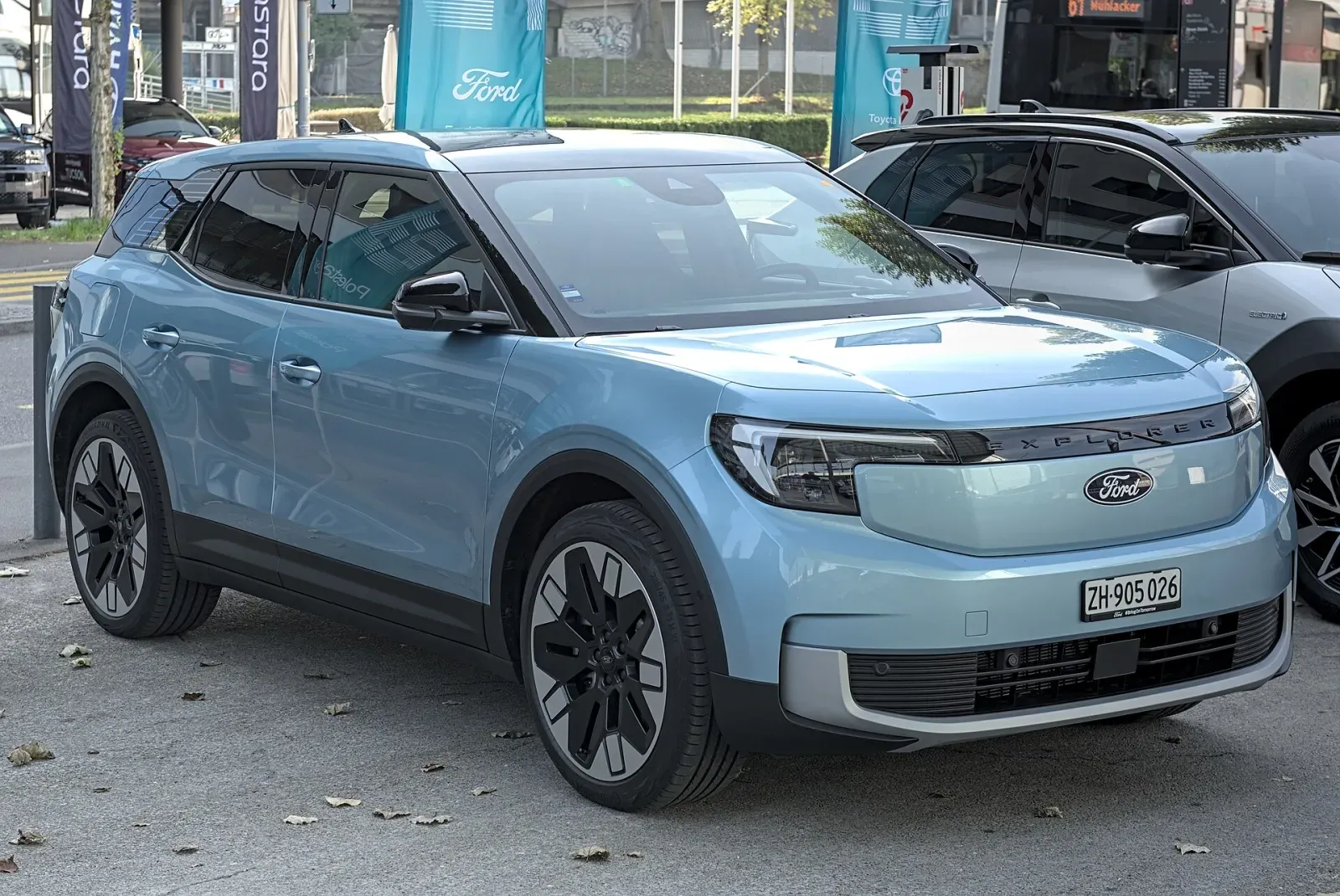
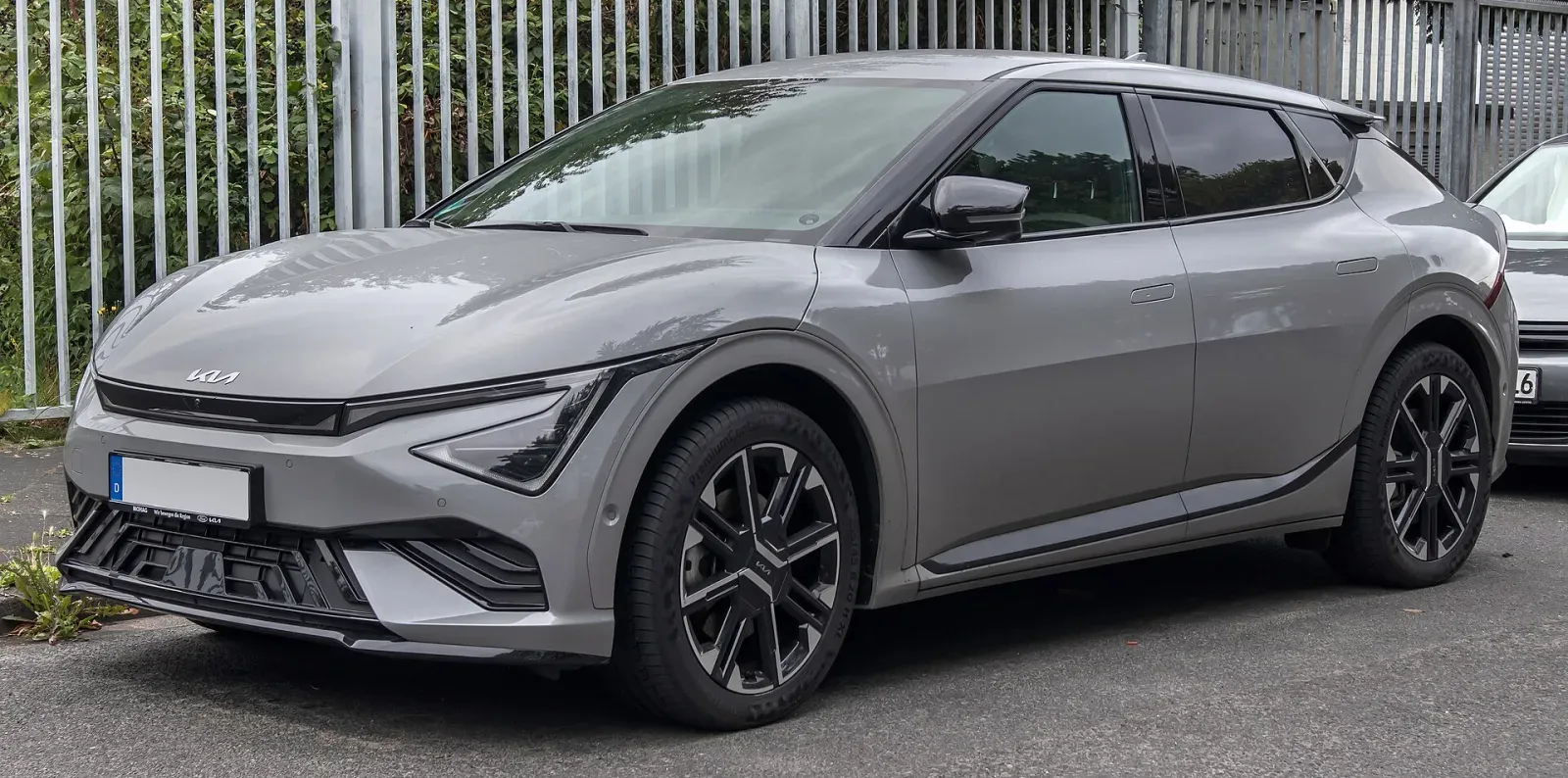
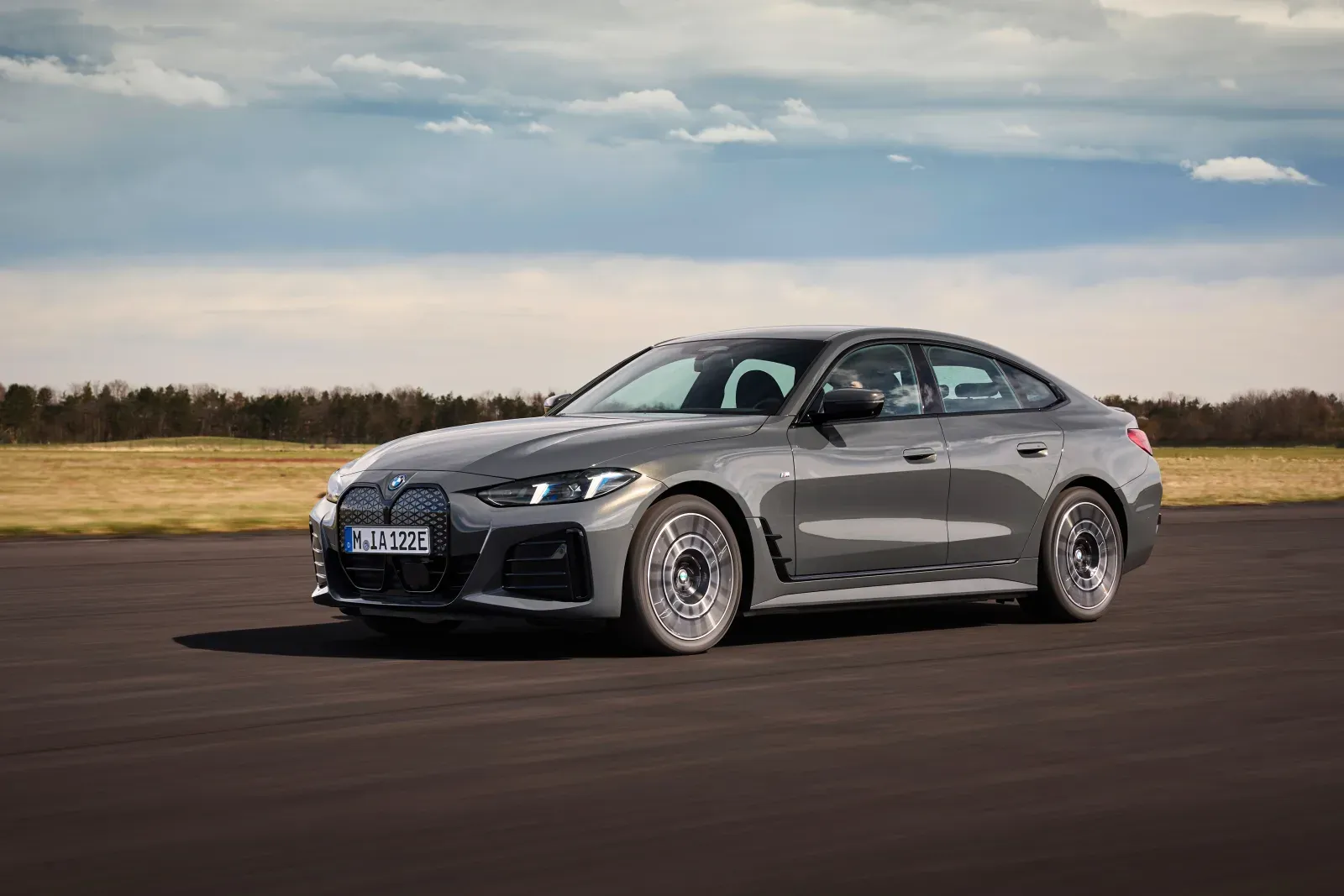
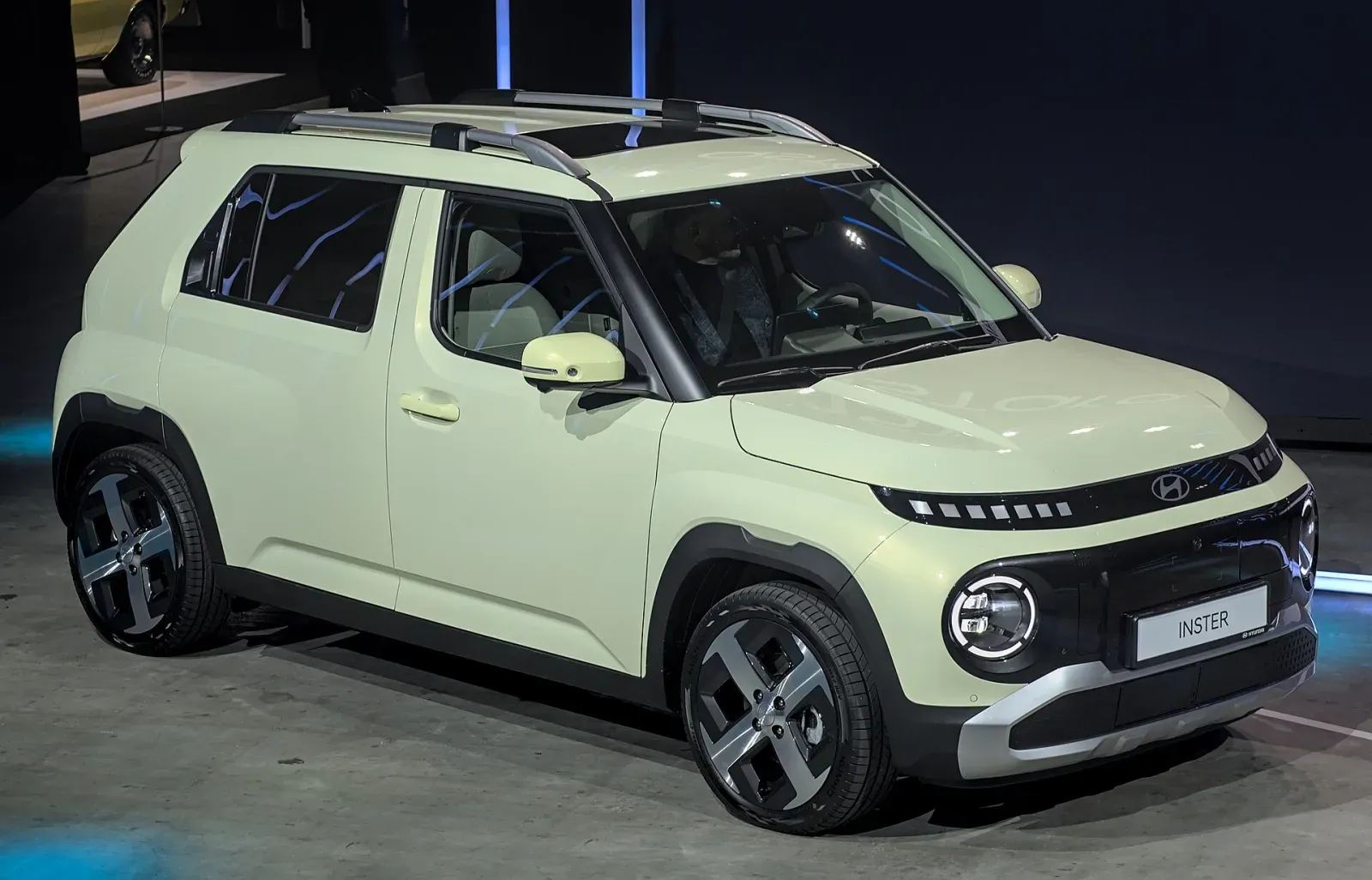
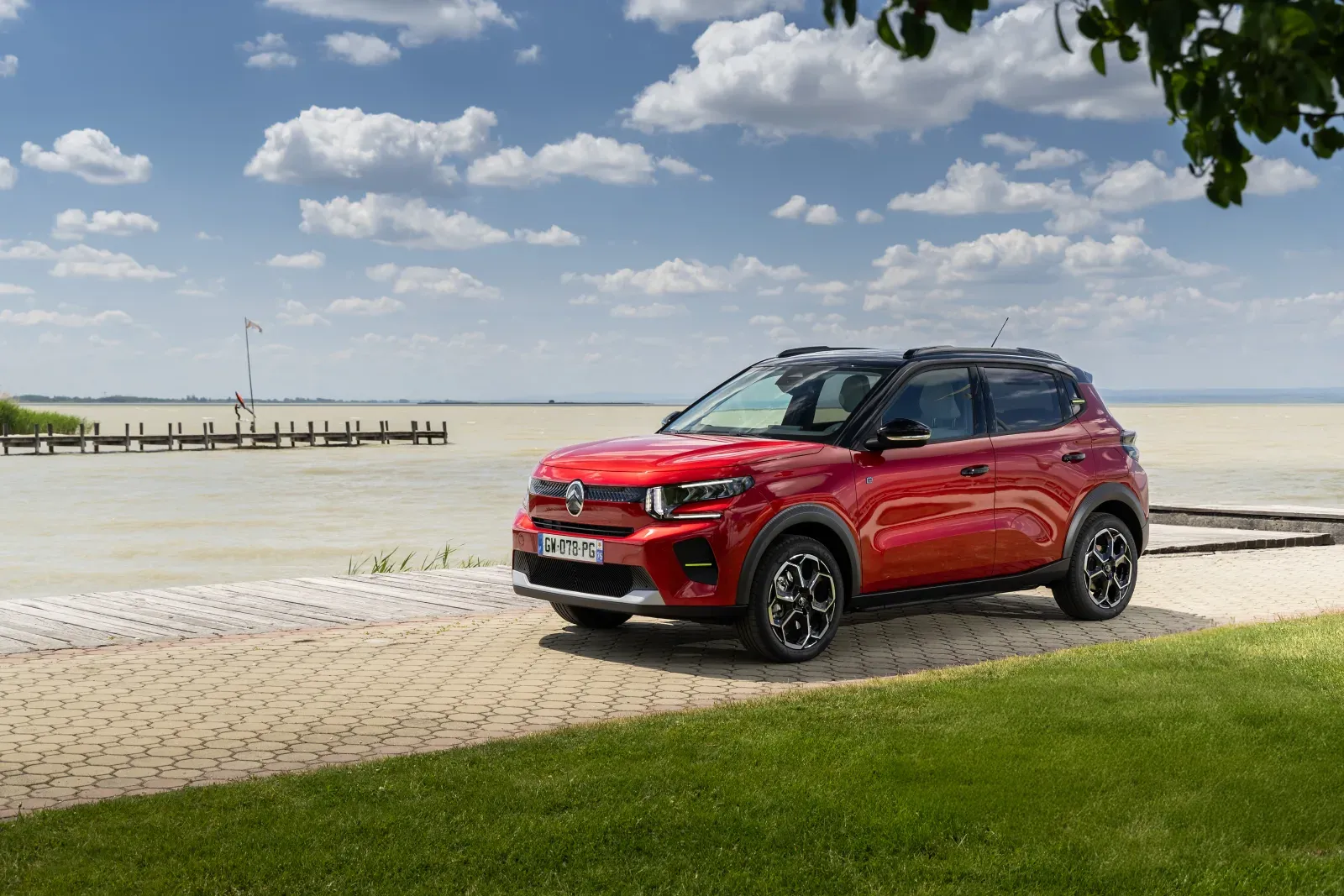
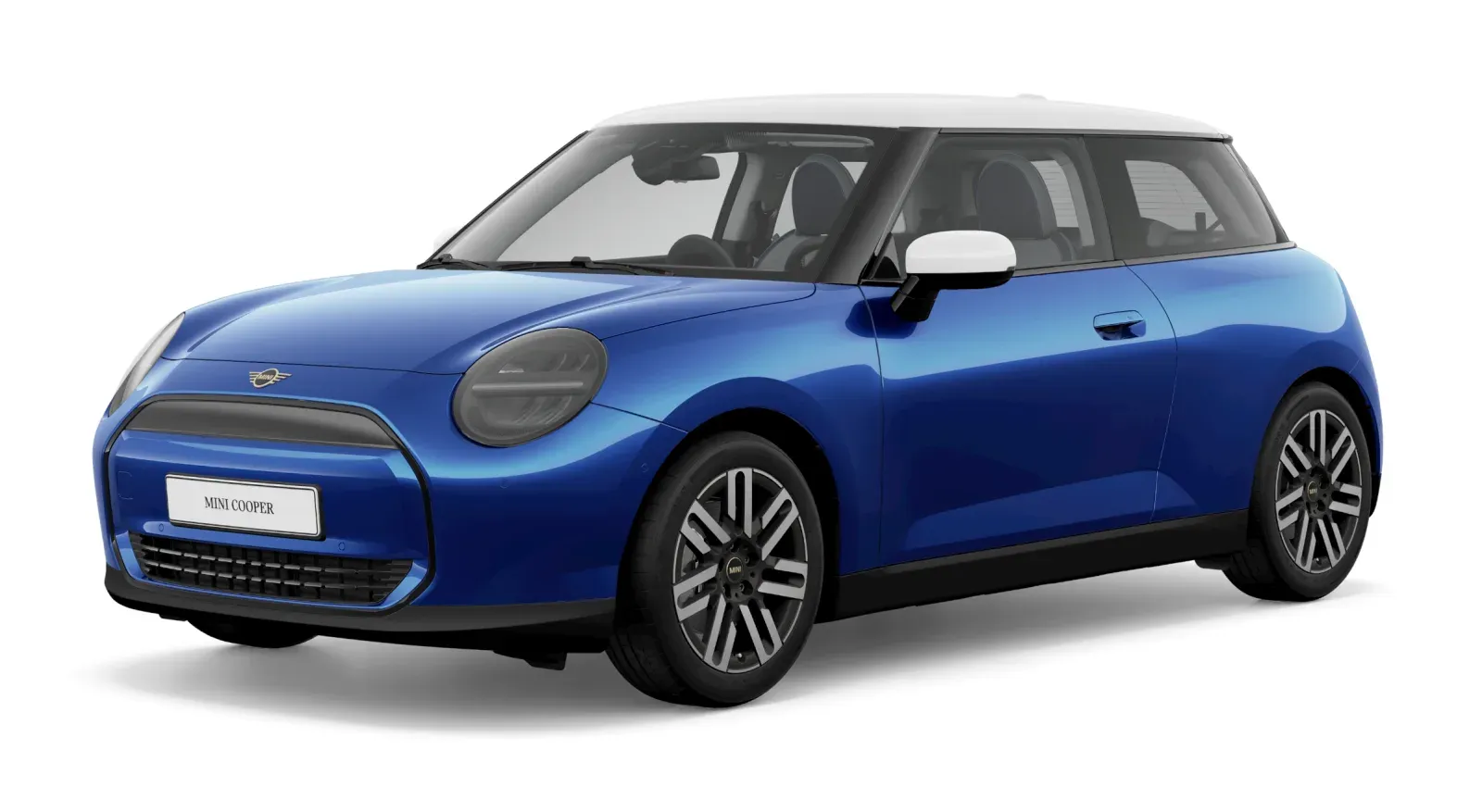
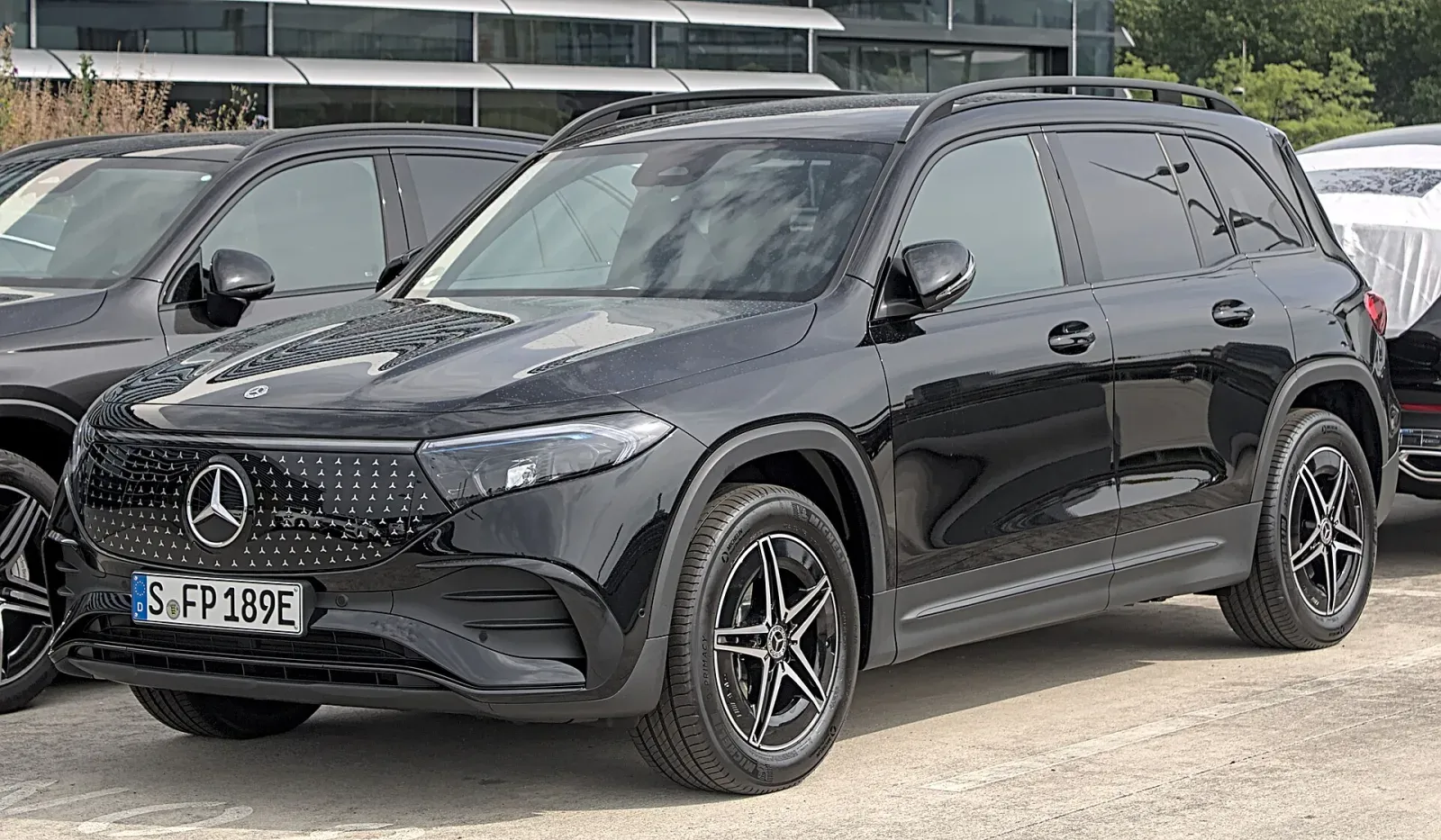
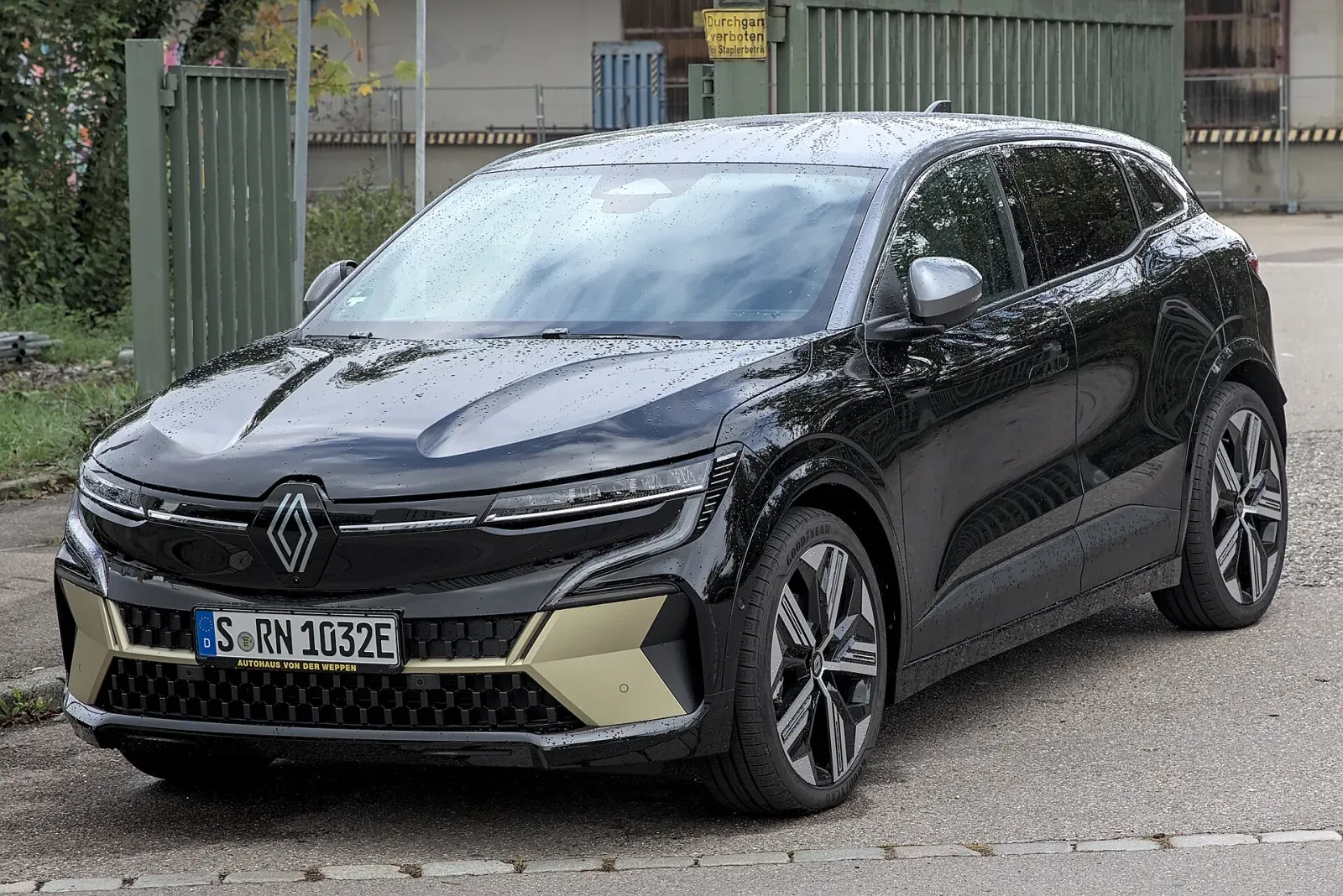
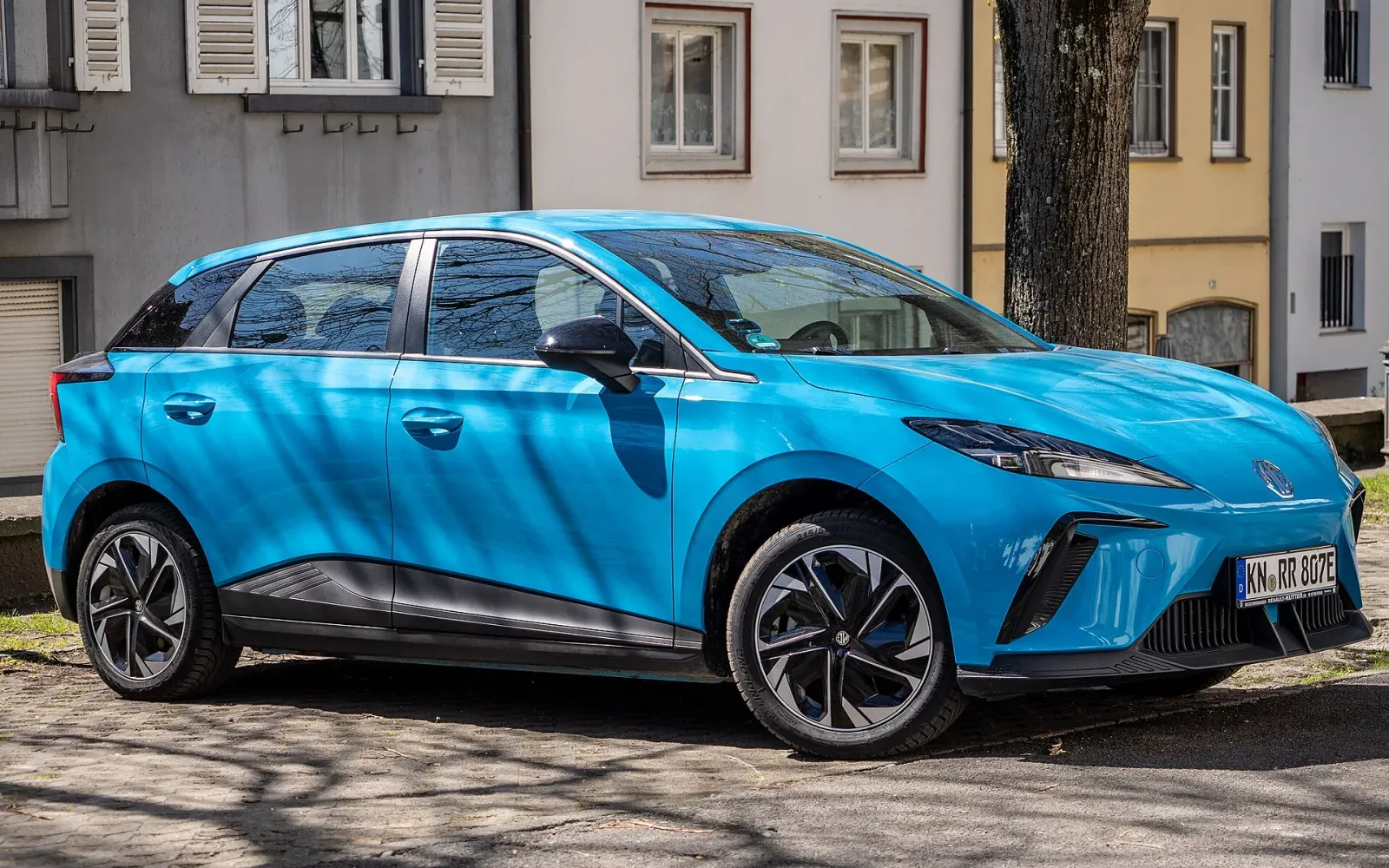
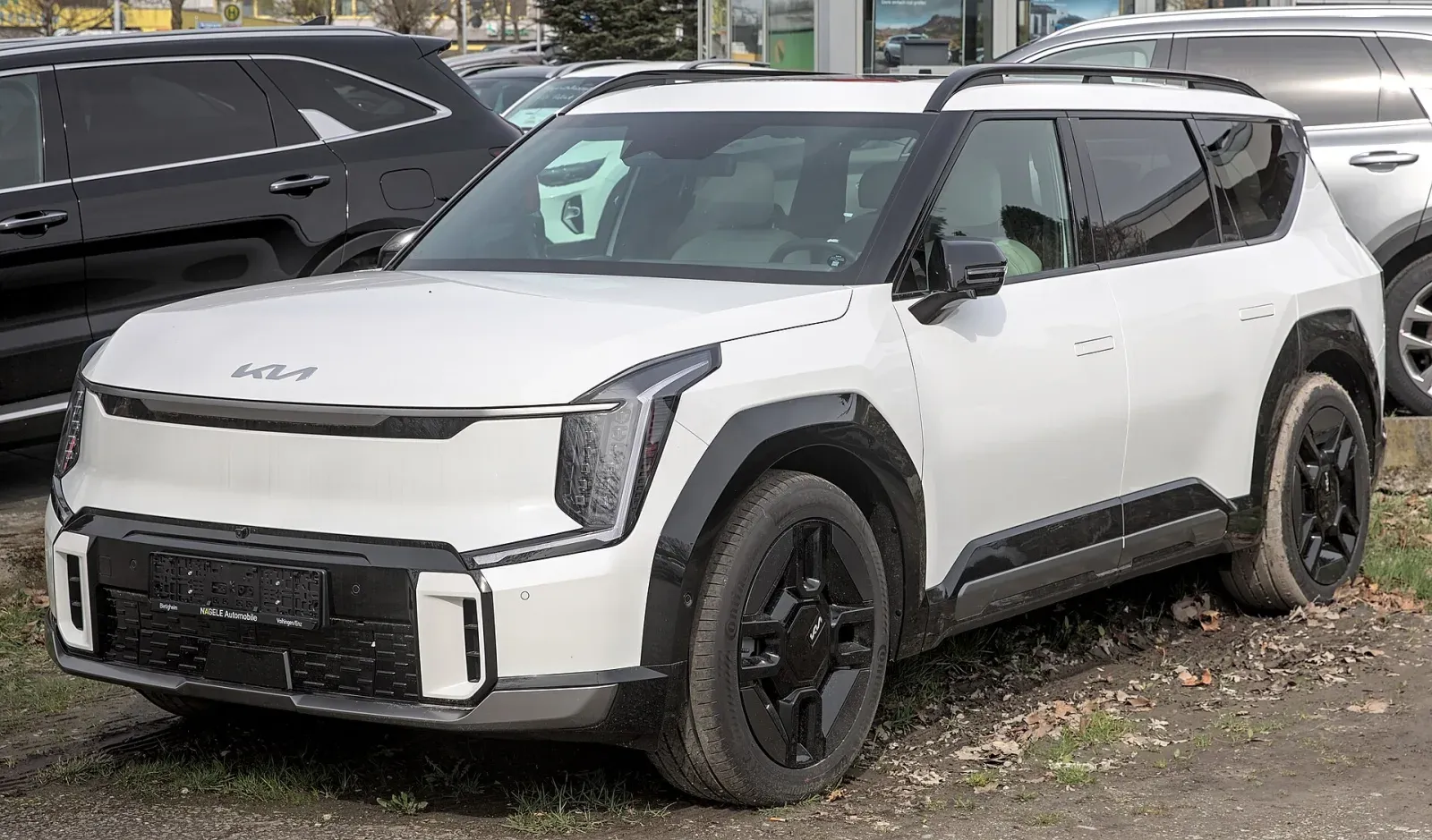
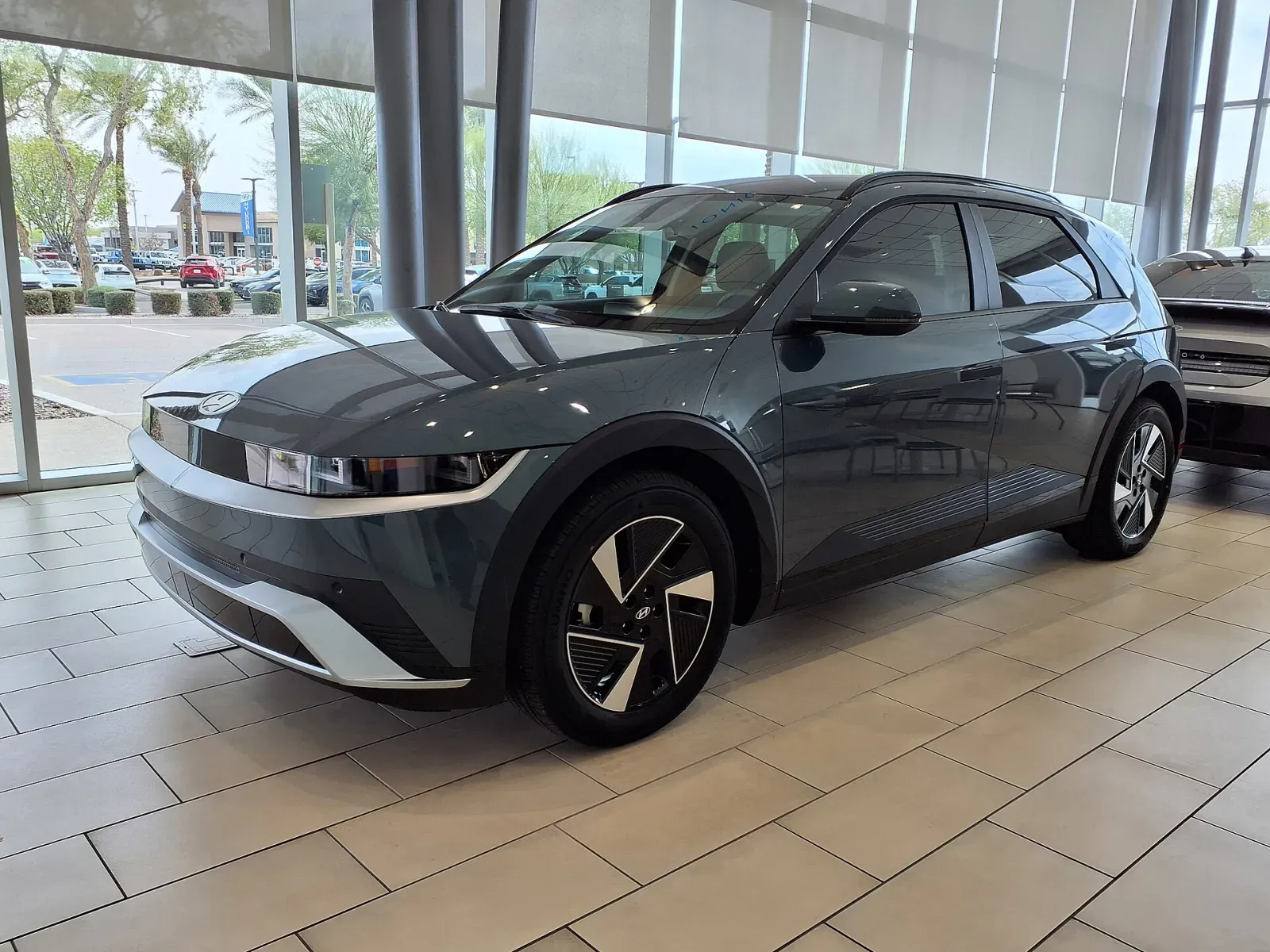
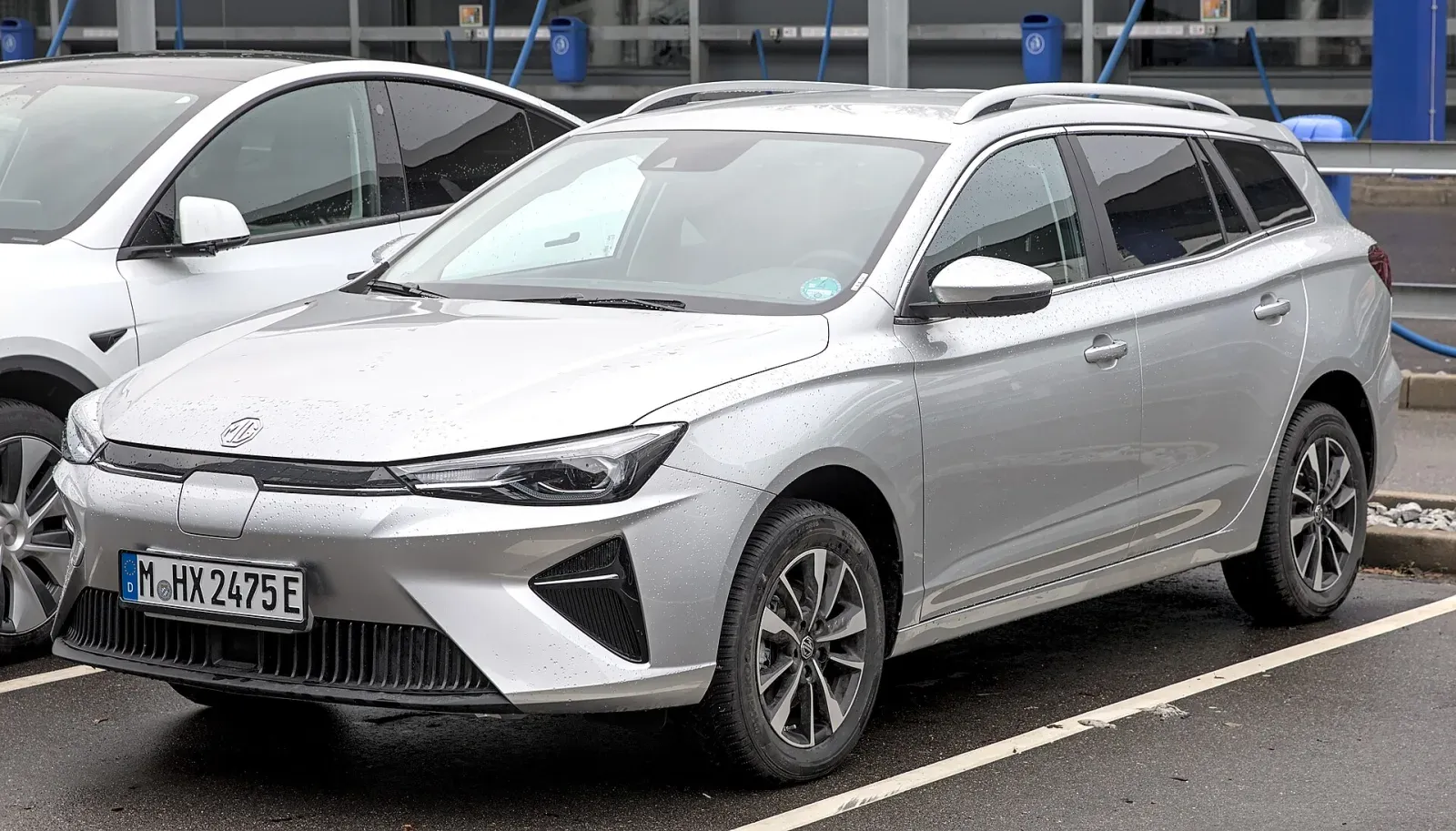
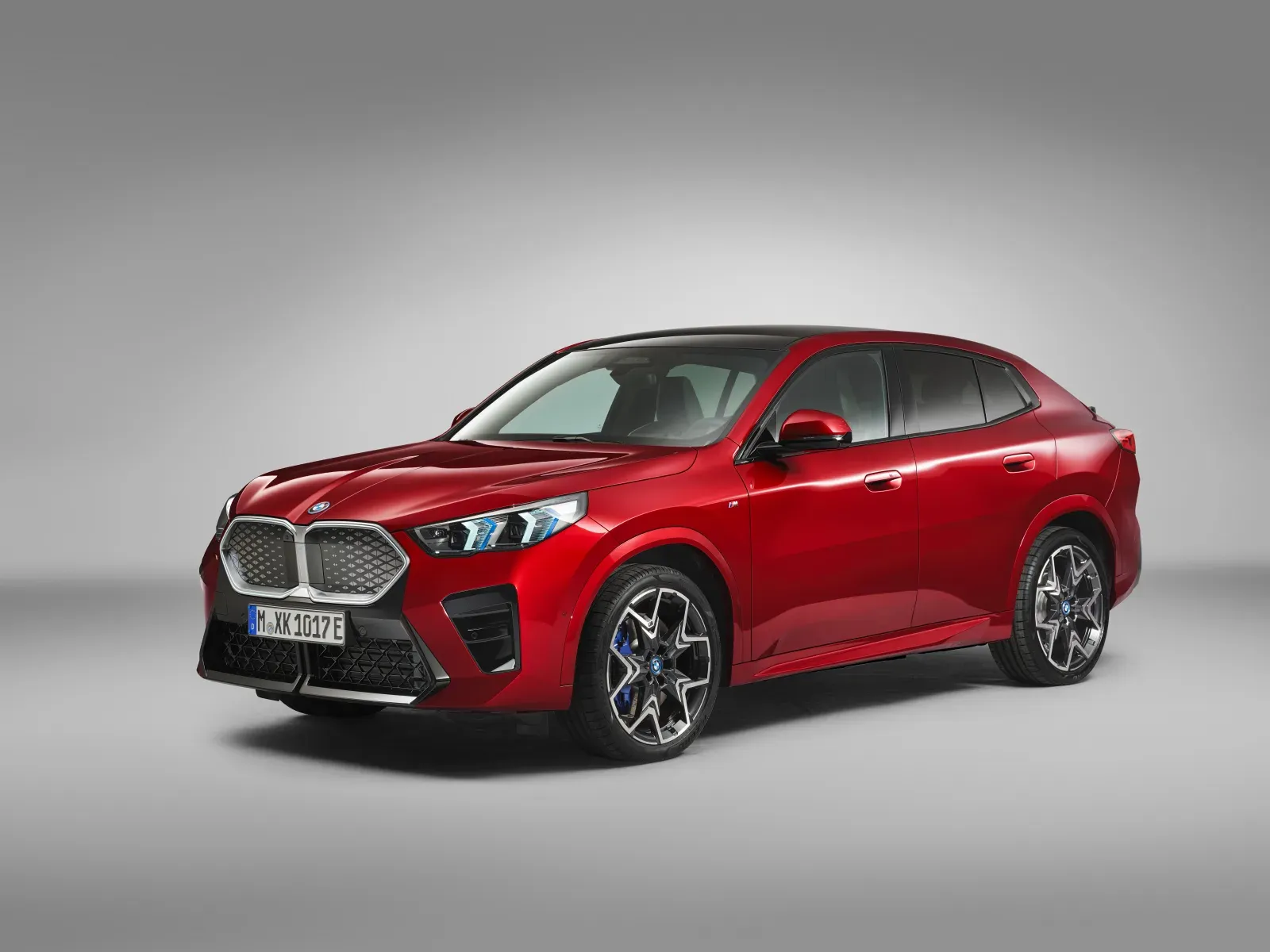
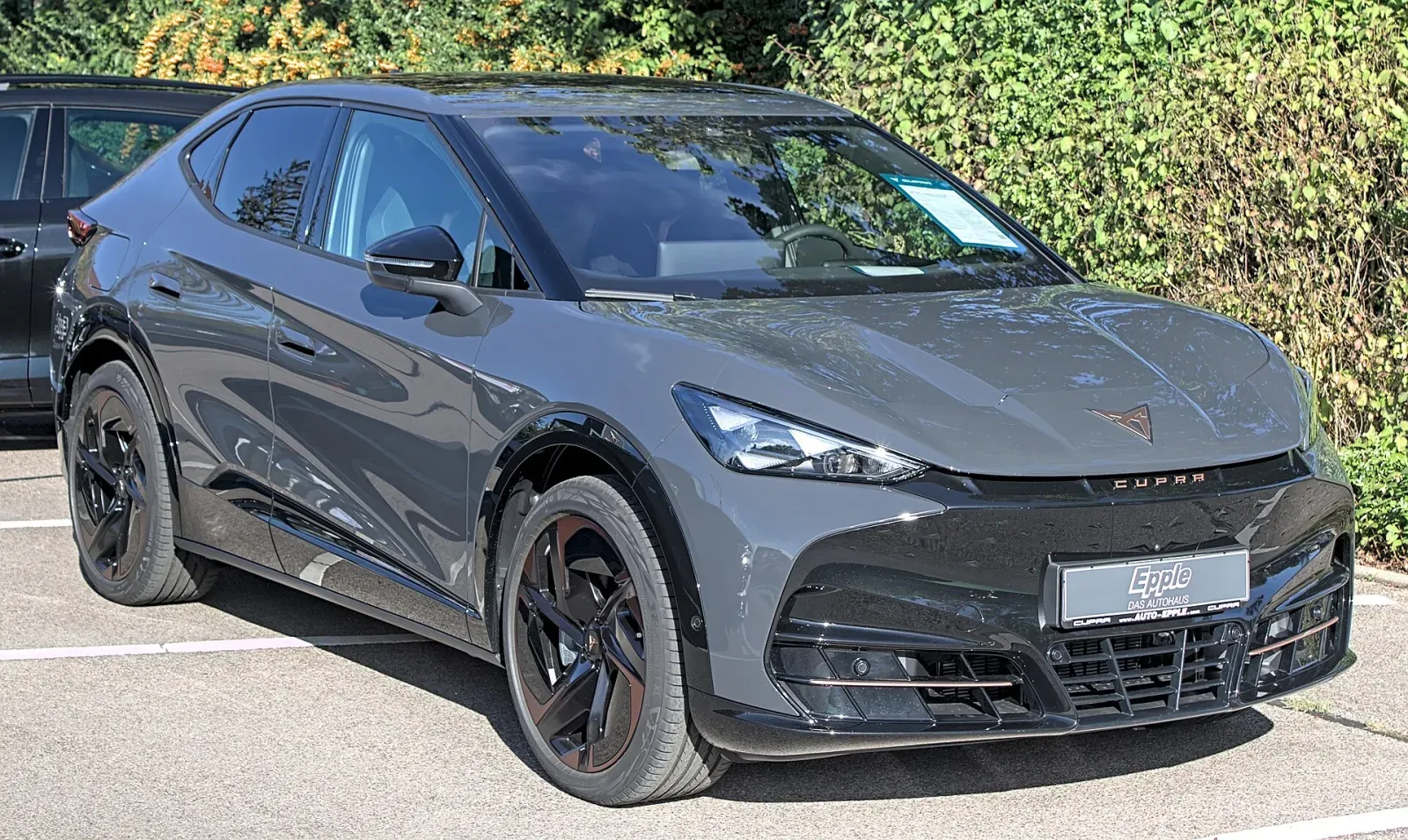
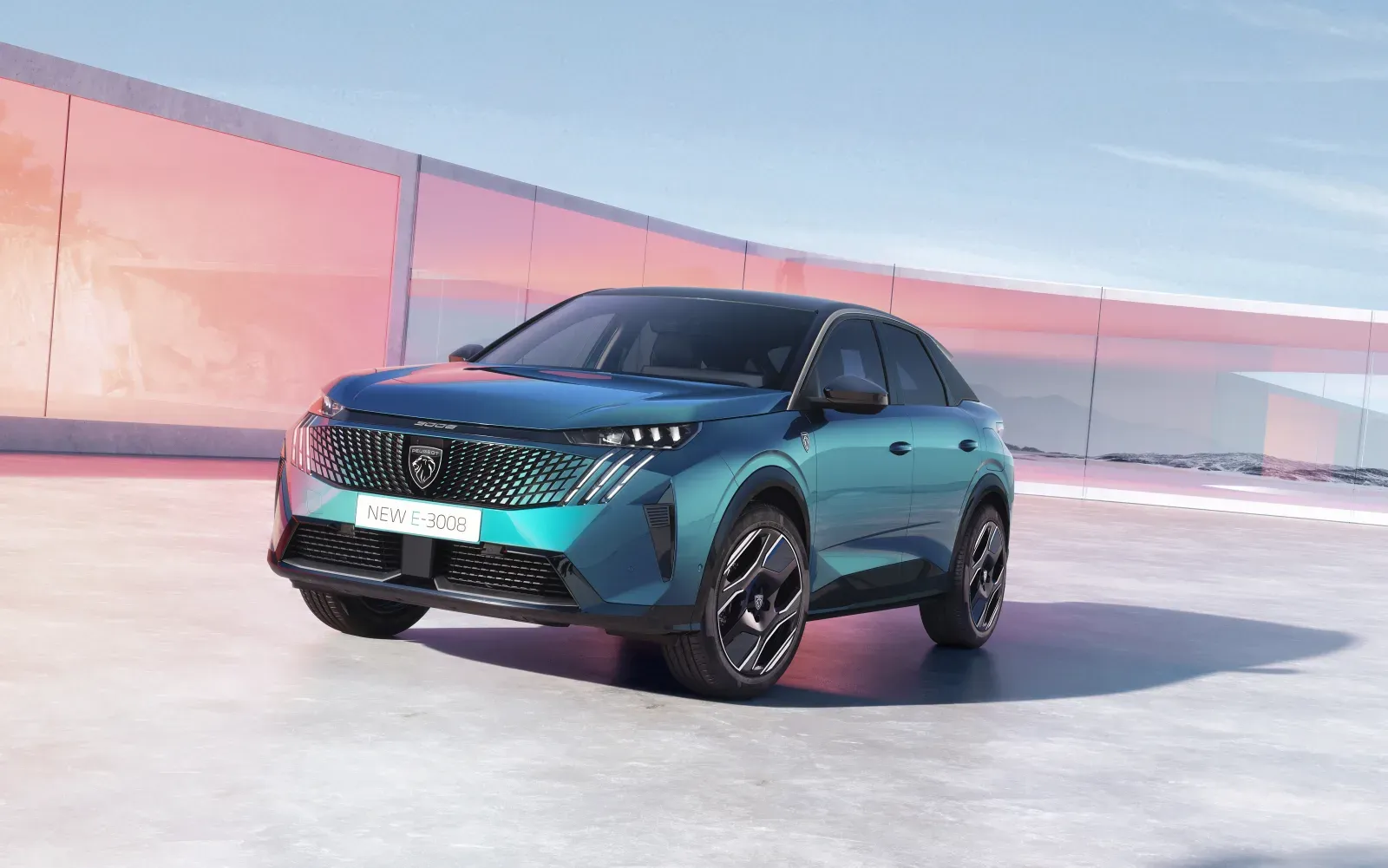
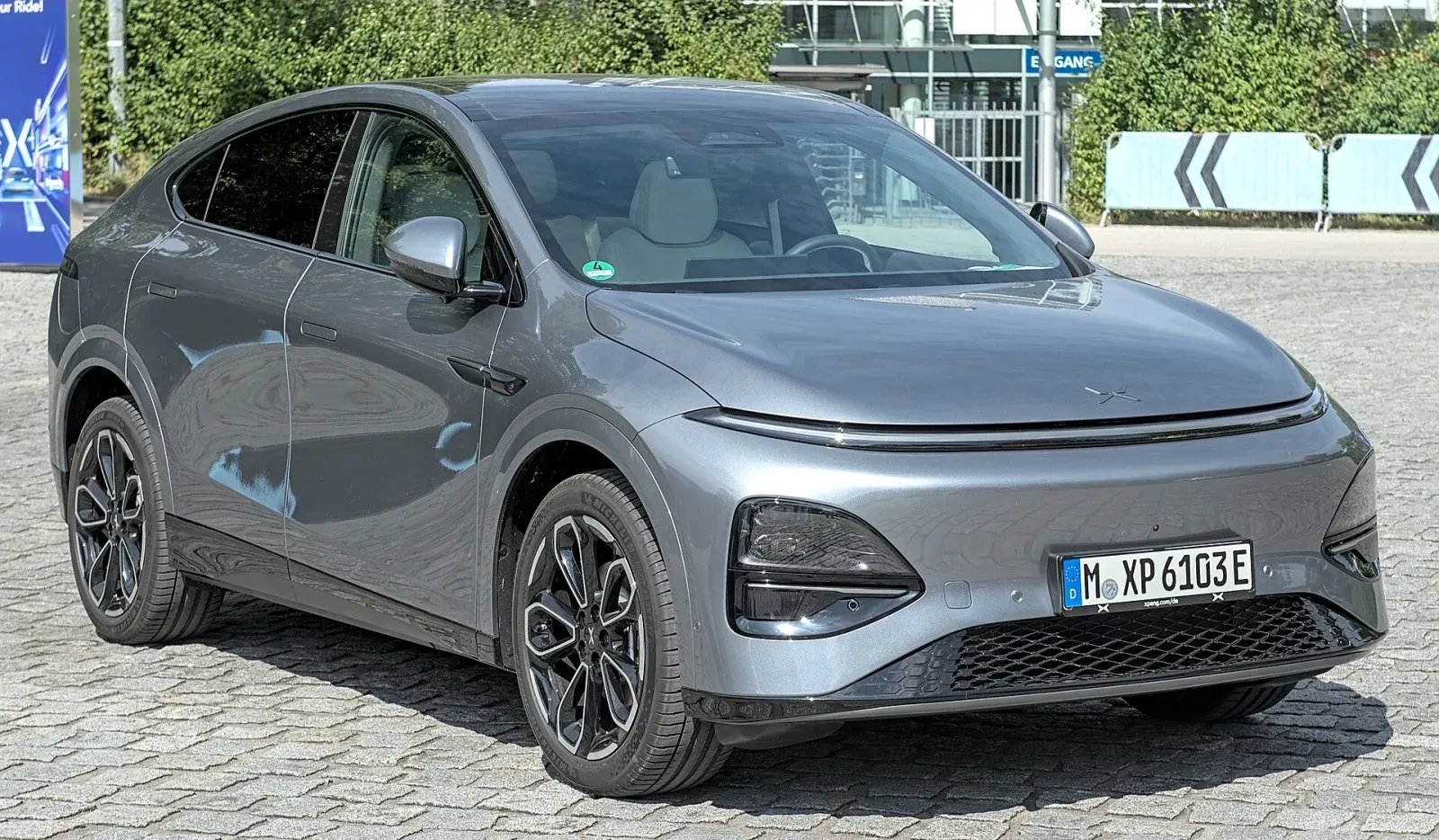
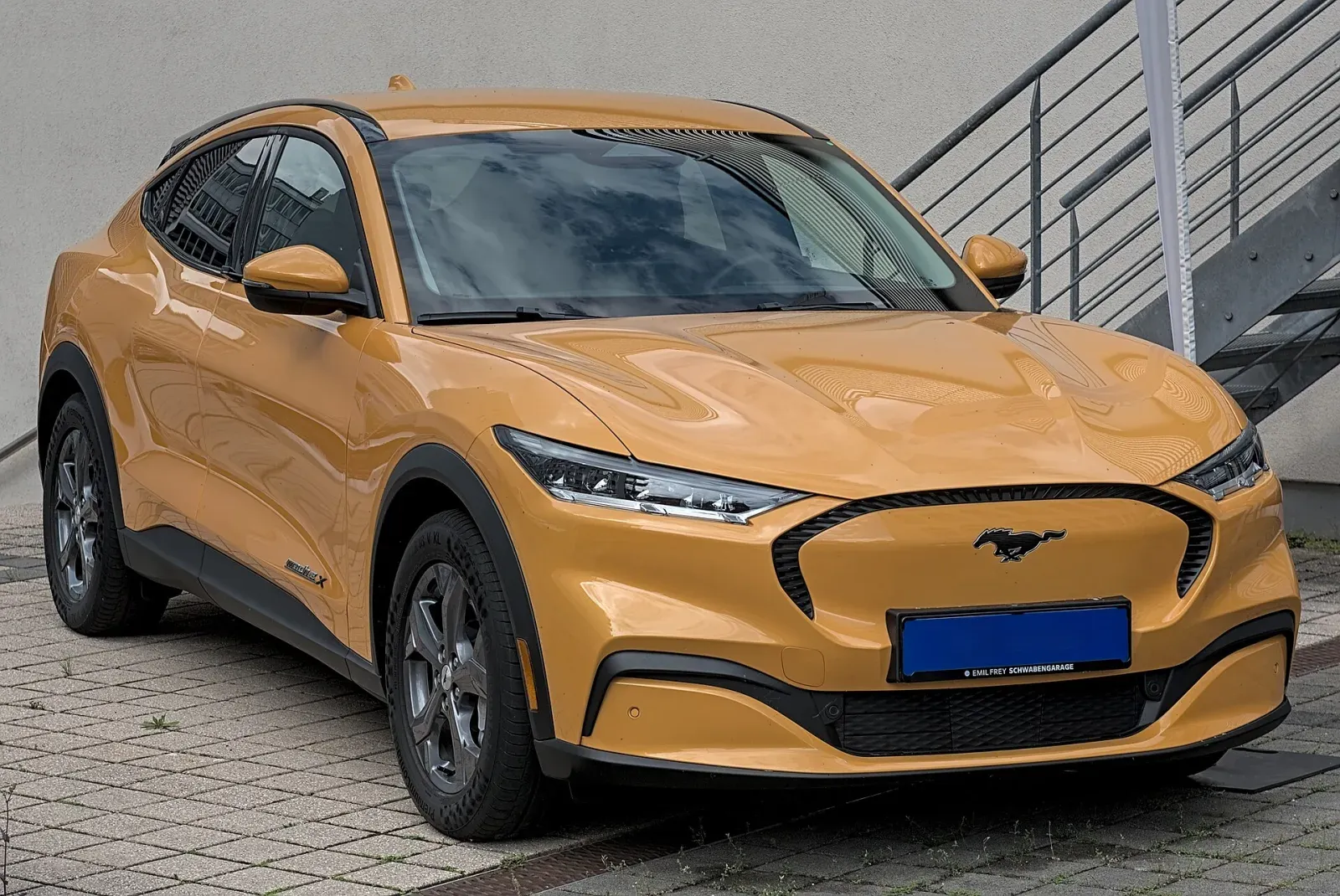
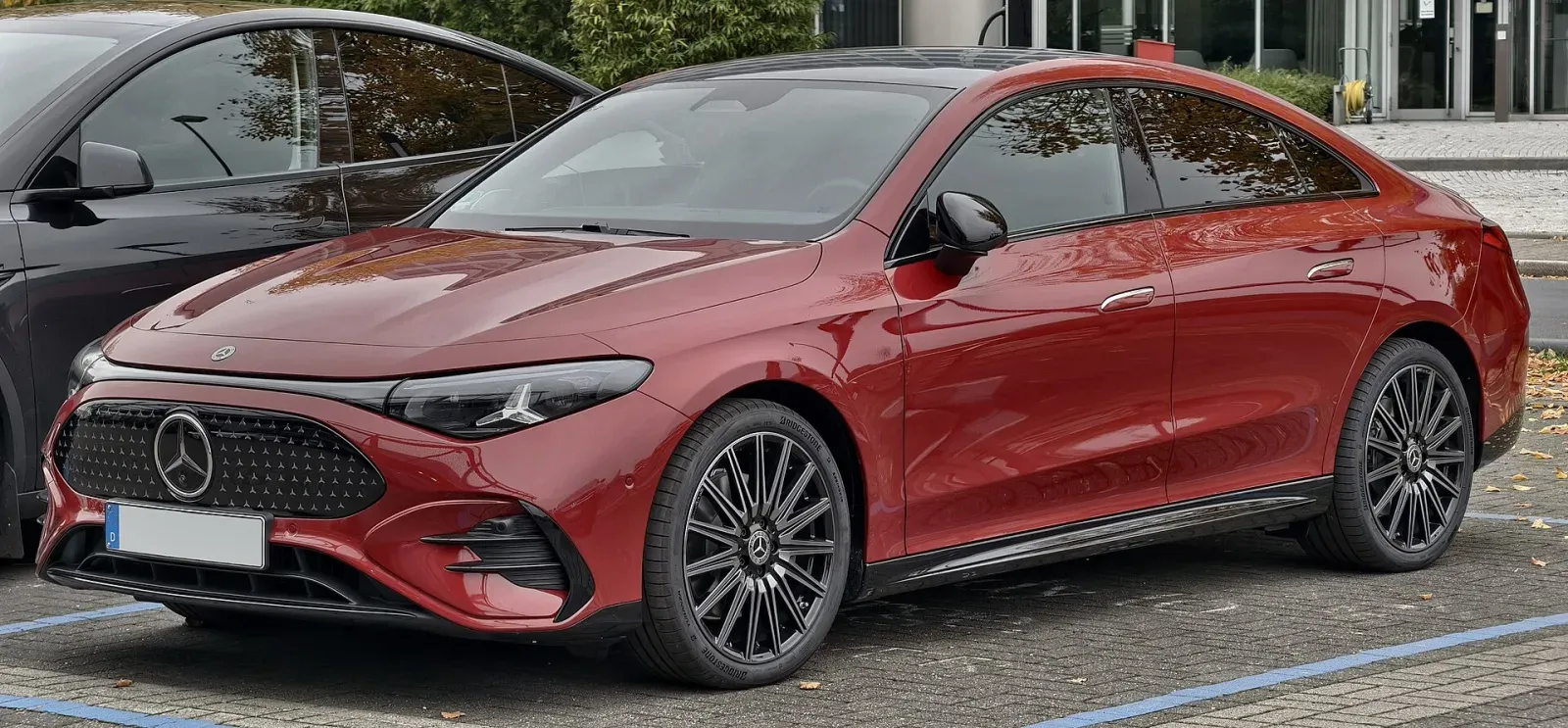
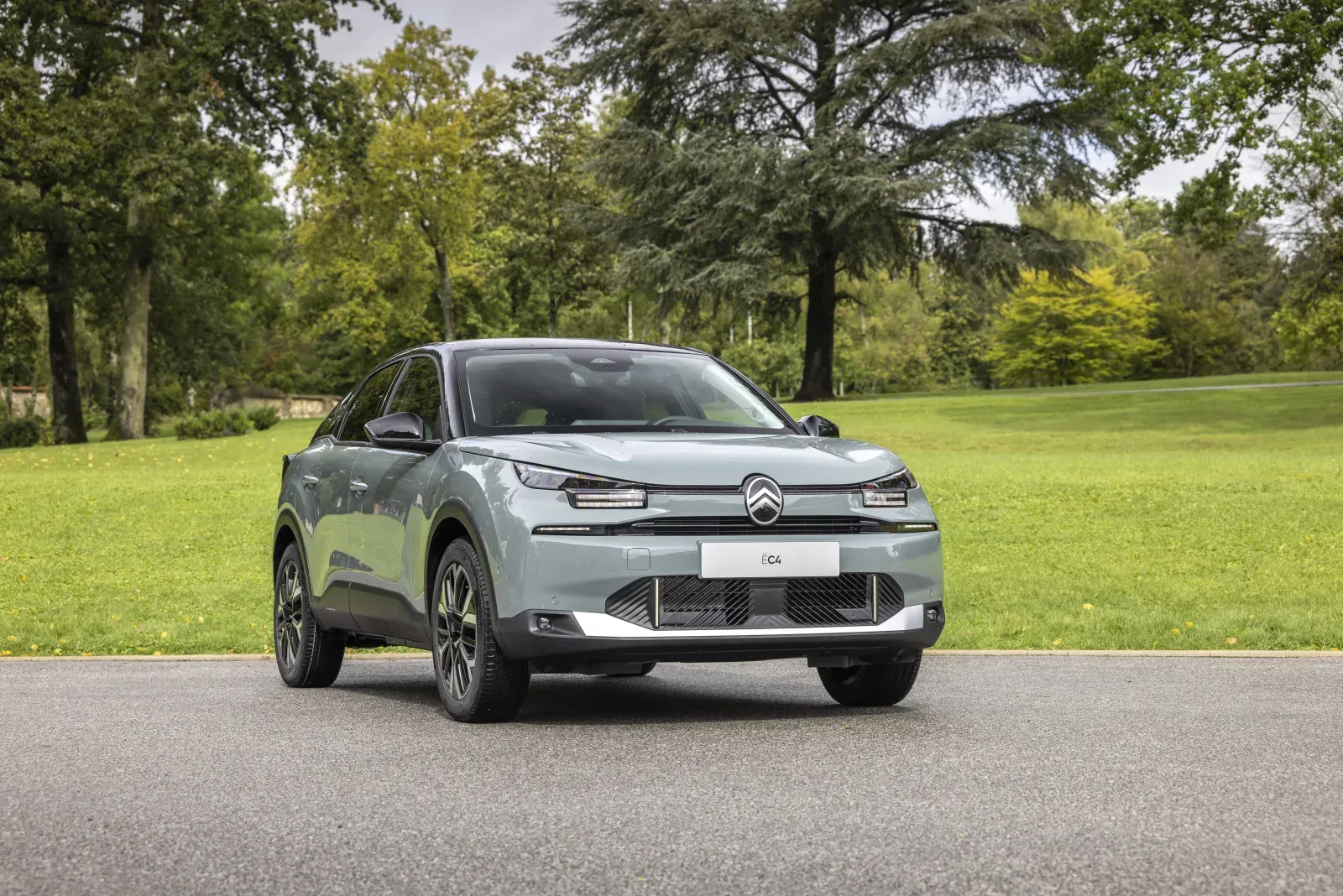
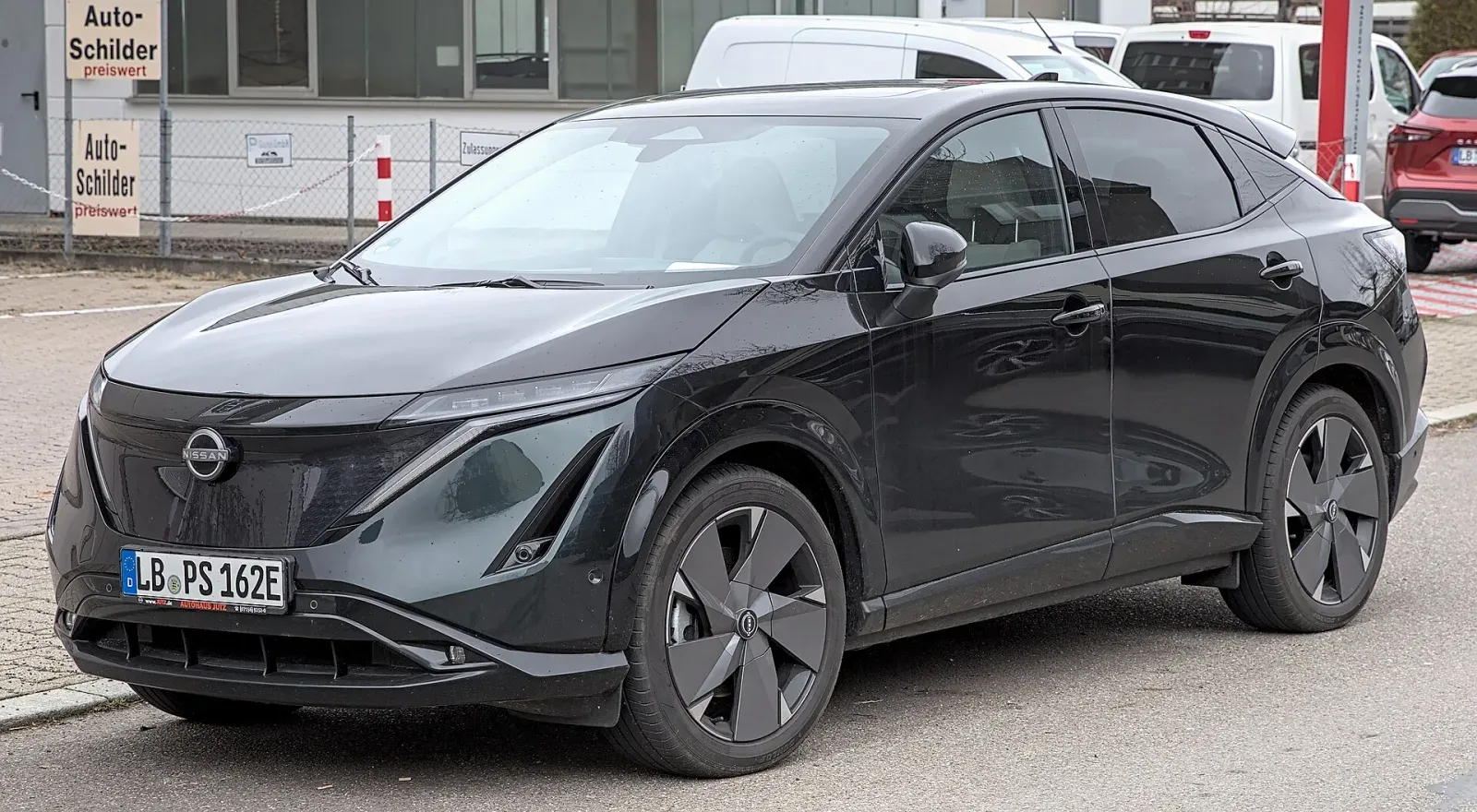
Consumption: median of the WLTP value (type approval, including charging losses) across all registrations per model; the real figure is often higher. Costs per 100 km at the prices below. ERE: kWh × 0.33269 ERE per kWh × €0.460 per ERE (October 18, 2026) × (1 − 20% median commission), rounded to €5. Consumption source: European Environment Agency (EEA), CC BY 4.0.
Photo credits
- Tesla Model Y: Alexander Migl, CC BY-SA 4.0, Wikimedia Commons
- Tesla Model 3: Alexander Migl, CC BY-SA 4.0, Wikimedia Commons
- Volvo EX30: Alexander Migl, CC BY-SA 4.0, Wikimedia Commons
- Skoda Elroq: Škoda
- Volvo EX40: Alexander-93, CC BY-SA 4.0, Wikimedia Commons
- Kia EV3: Alexander Migl, CC BY-SA 4.0, Wikimedia Commons
- Audi Q4 e-tron: M 93, CC BY-SA 3.0 de, Wikimedia Commons
- BMW iX1: BMW Group
- Skoda Enyaq: Škoda
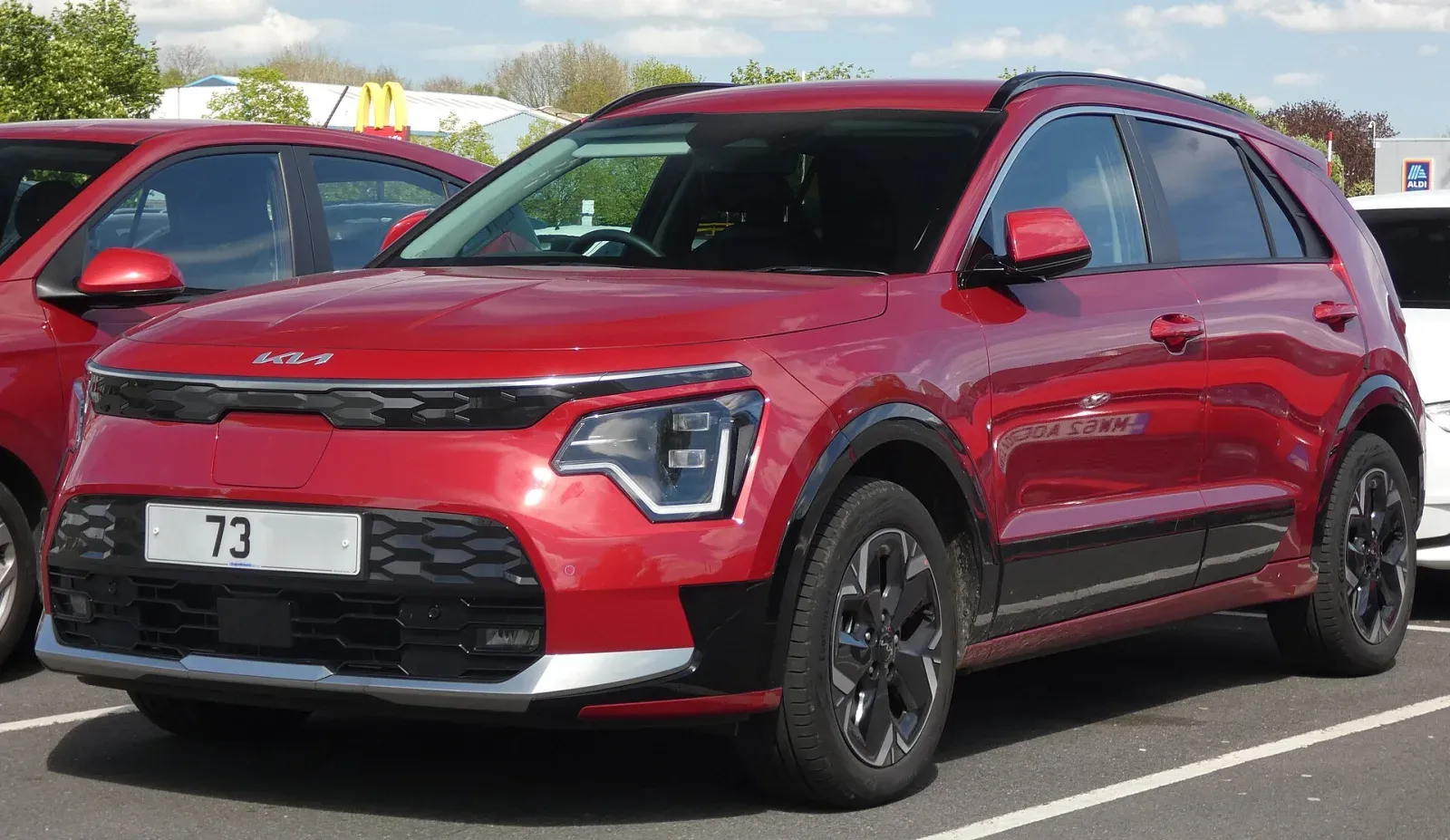
- Kia Niro EV: Harvey Bold, CC BY 4.0, Wikimedia Commons
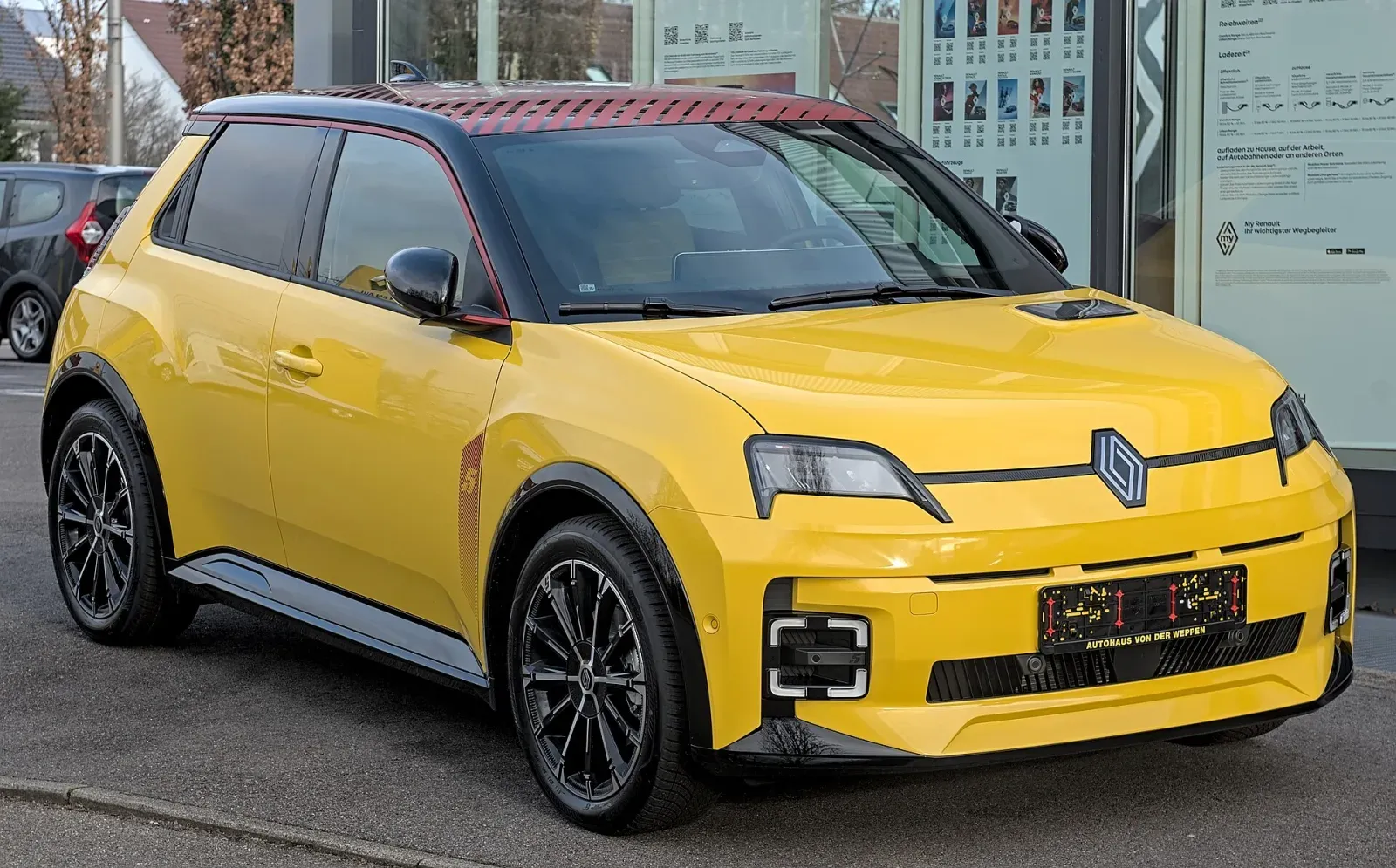
- Renault 5 E-Tech: Alexander Migl, CC BY-SA 4.0, Wikimedia Commons
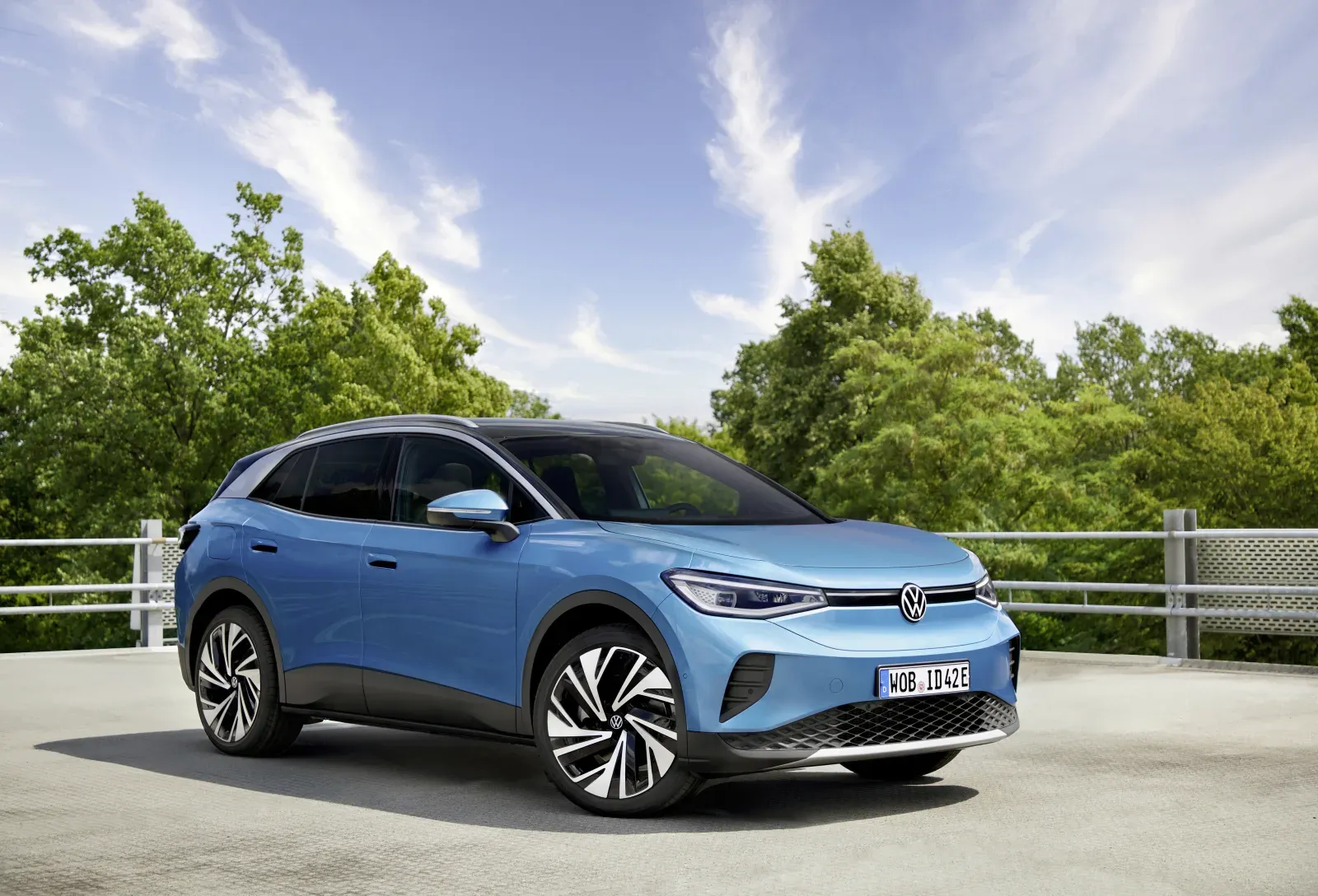
- Volkswagen ID.4: Volkswagen AG
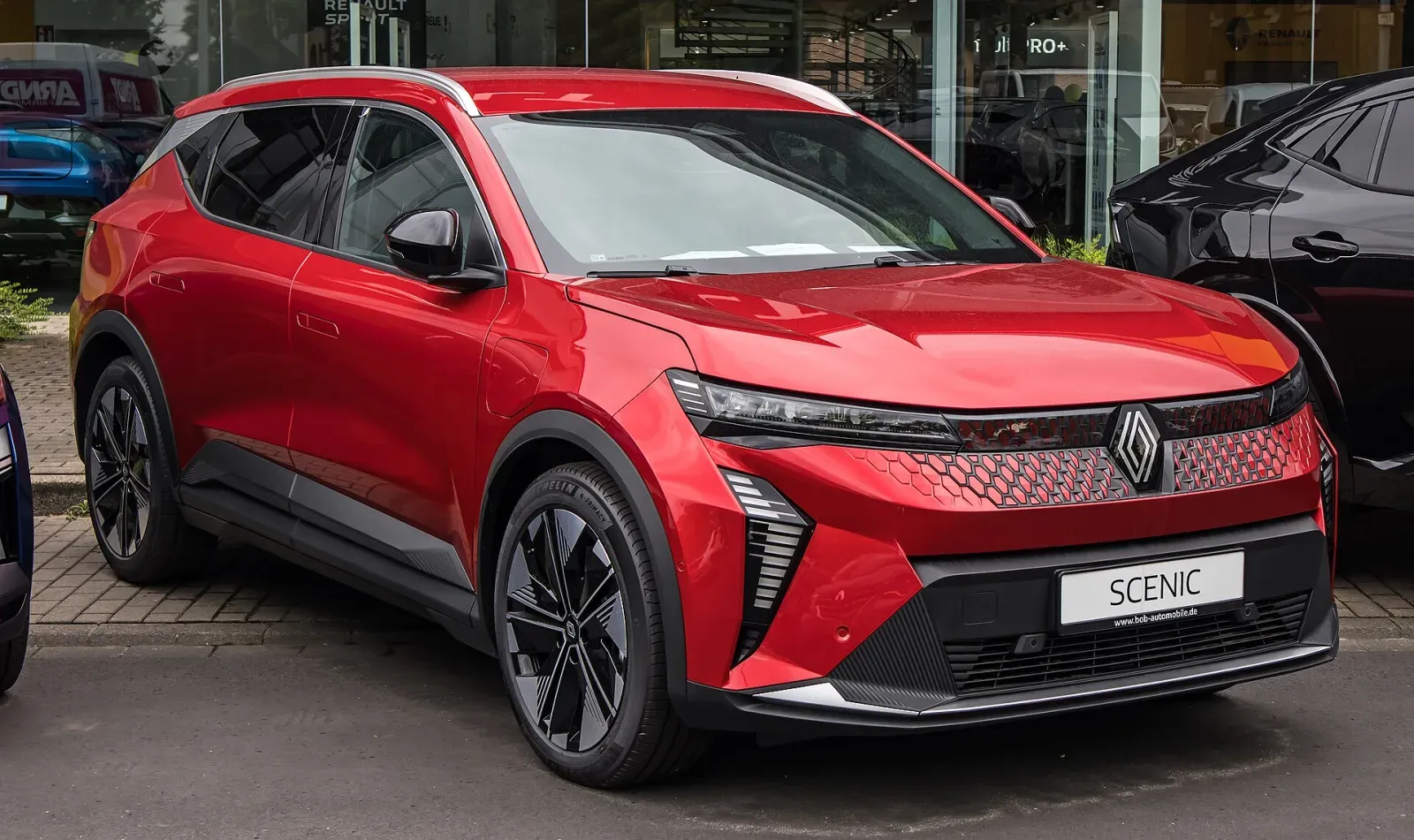
- Renault Scenic E-Tech: M 93, CC BY-SA 3.0 de, Wikimedia Commons
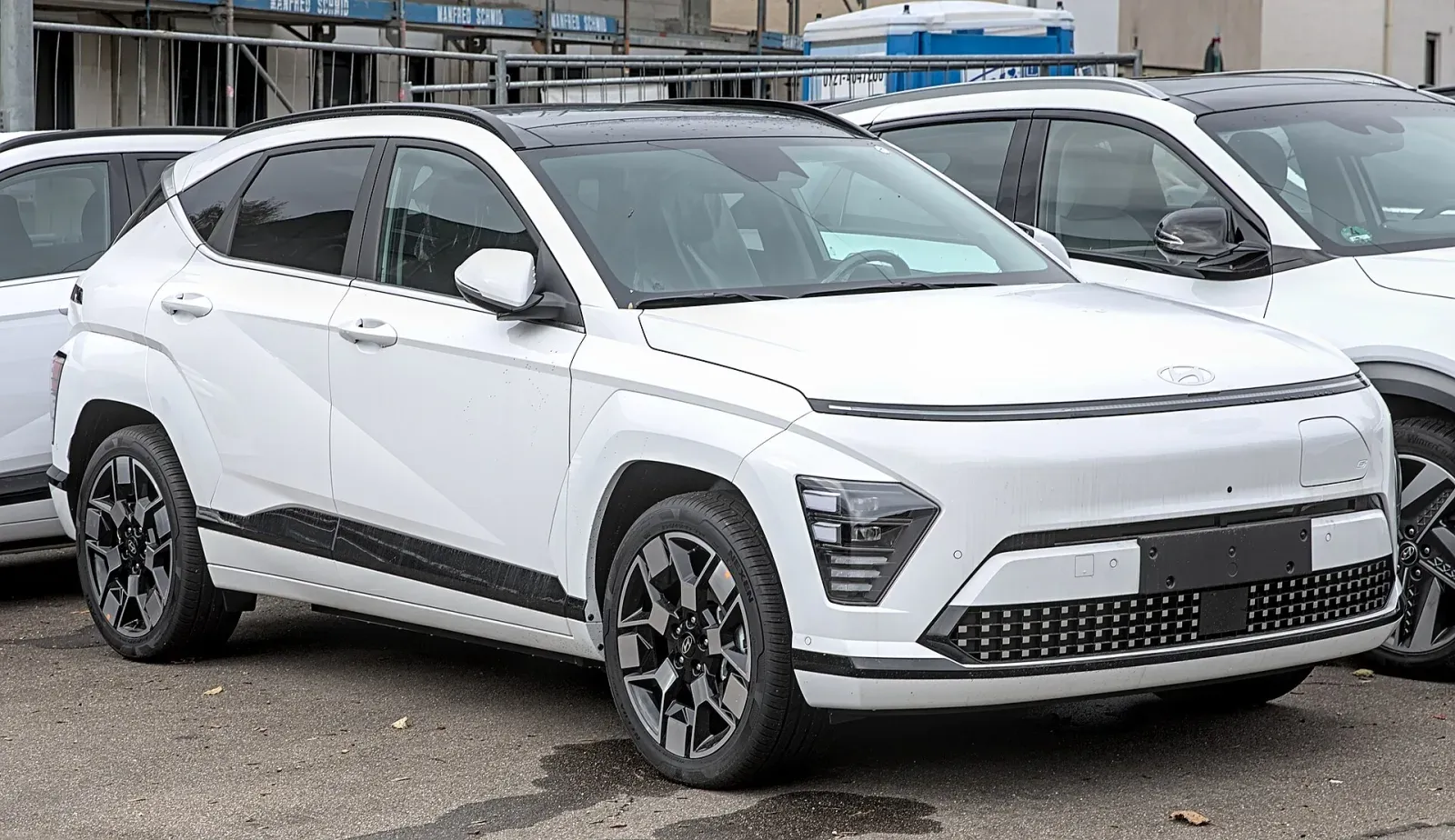
- Hyundai Kona Electric: Alexander-93, CC BY-SA 4.0, Wikimedia Commons
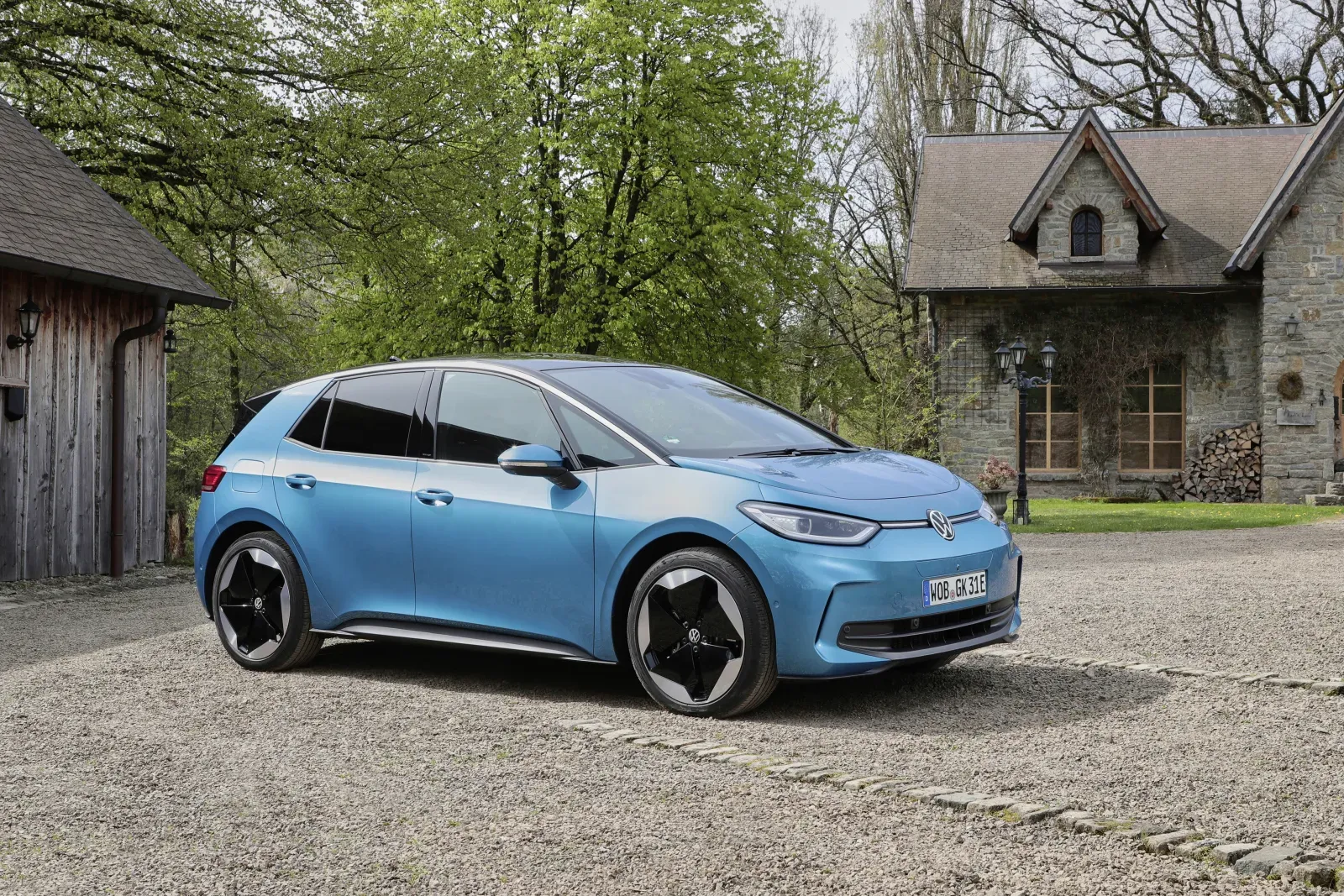
- Volkswagen ID.3: Volkswagen AG
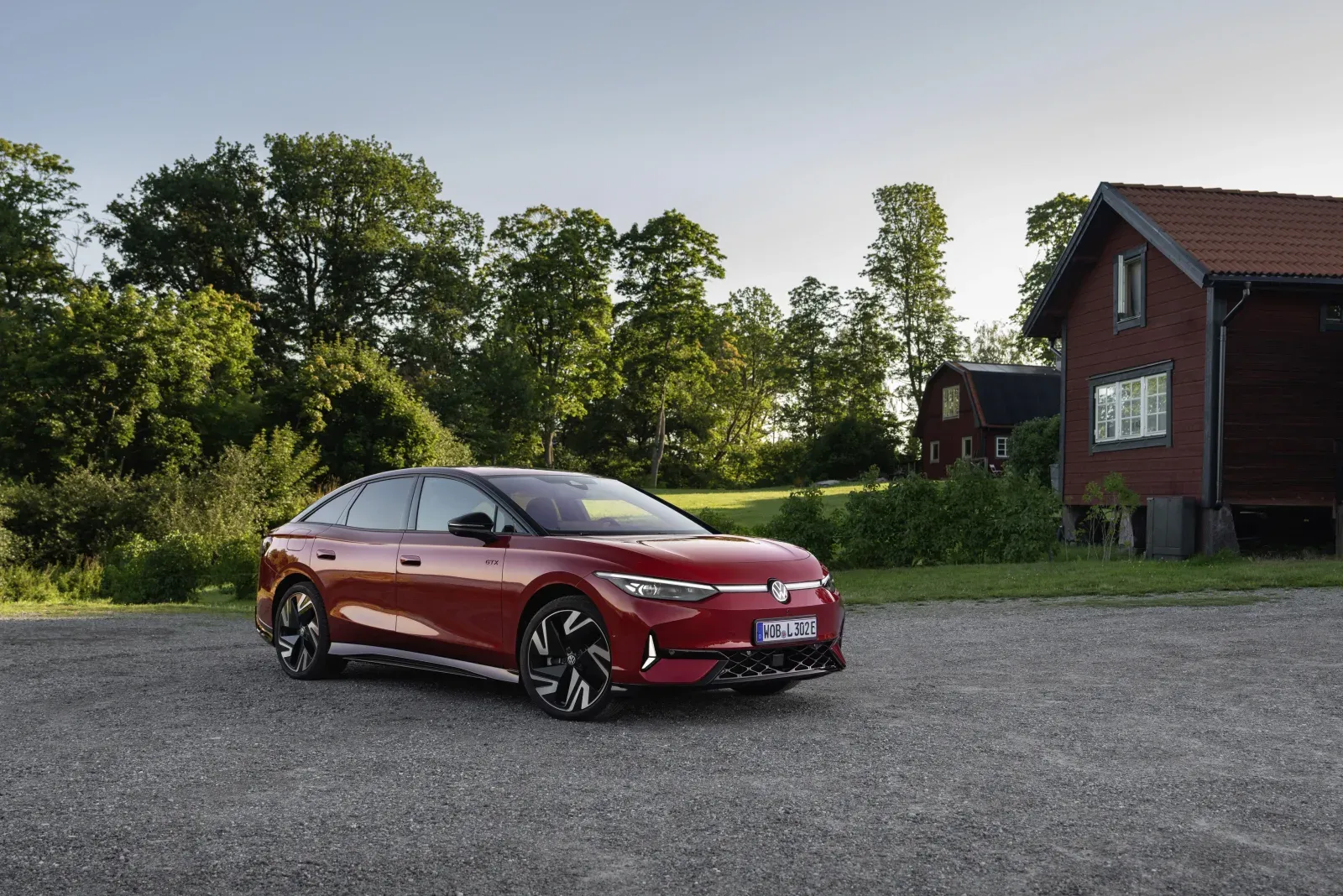
- Volkswagen ID.7: Volkswagen AG
- Ford Explorer: Alexander-93, CC BY-SA 4.0, Wikimedia Commons
- Kia EV6: M 93, CC BY-SA 3.0 de, Wikimedia Commons
- BMW i4: BMW Group
- Hyundai Inster: Alexander-93, CC BY-SA 4.0, Wikimedia Commons
- Citroën ë-C3: Citroën / Stellantis
- Mini Cooper: MINI / BMW Group
- Mercedes-Benz EQB: Alexander Migl, CC BY-SA 4.0, Wikimedia Commons
- Renault Megane E-Tech: Alexander Migl, CC BY-SA 4.0, Wikimedia Commons
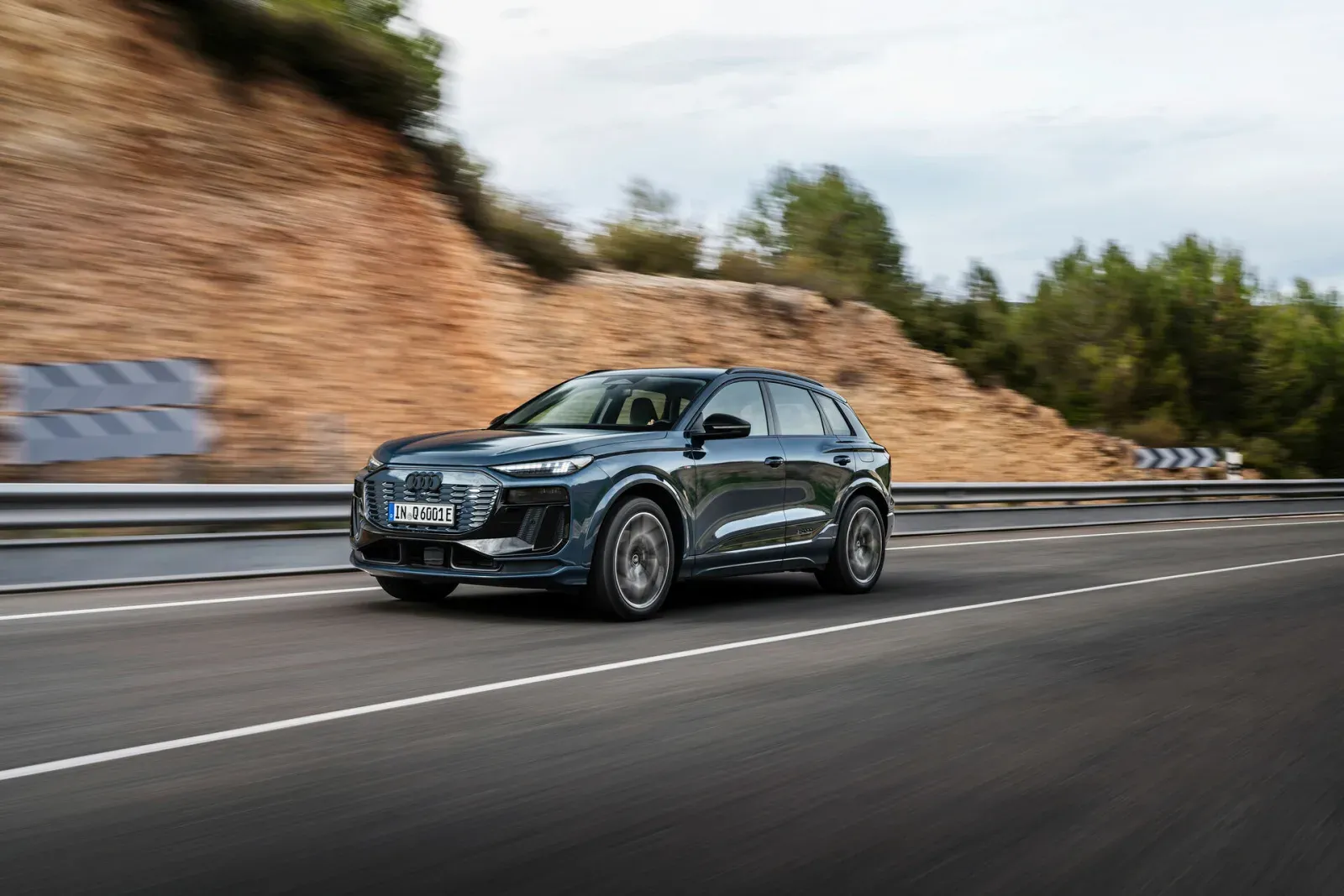
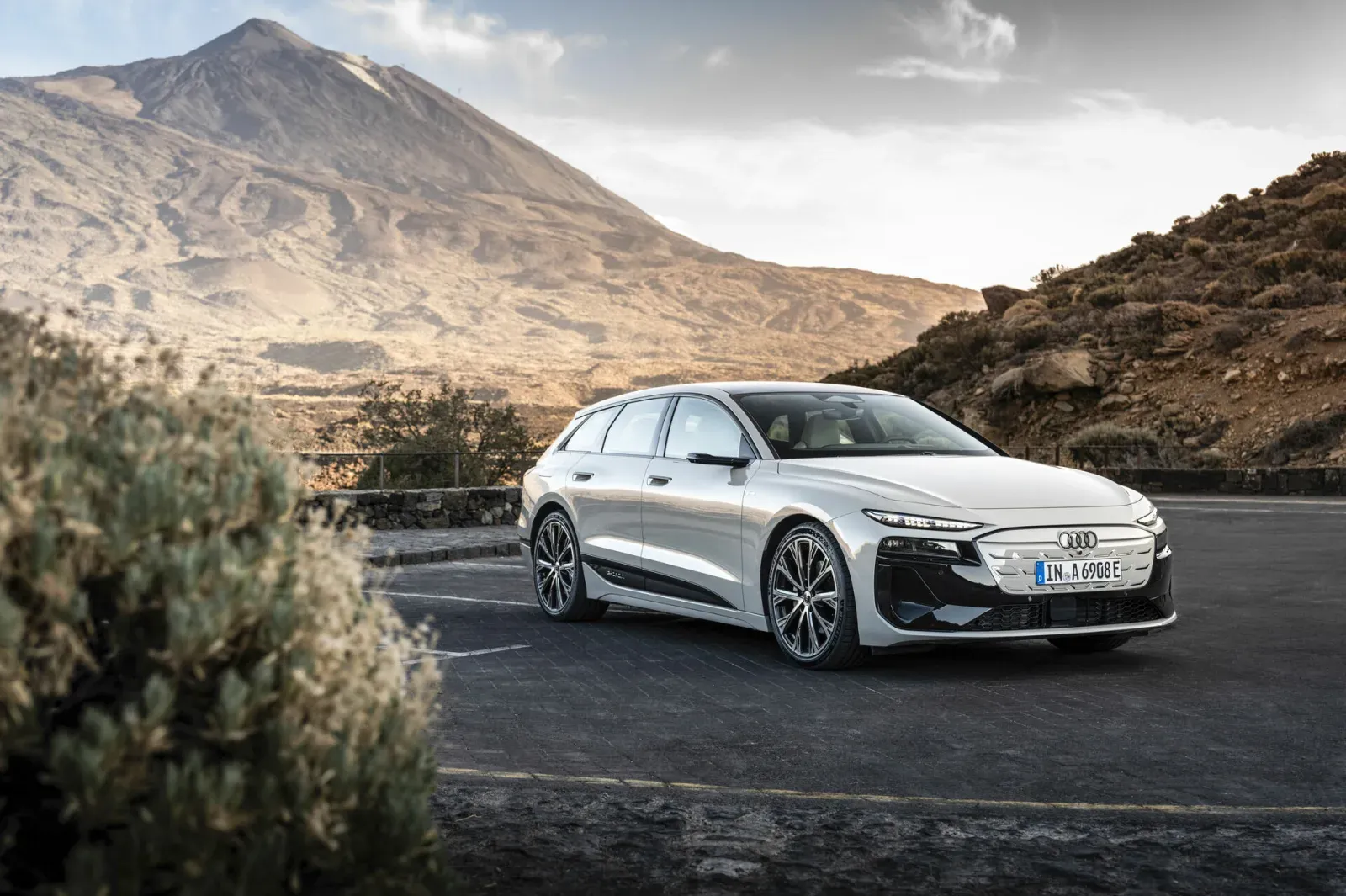
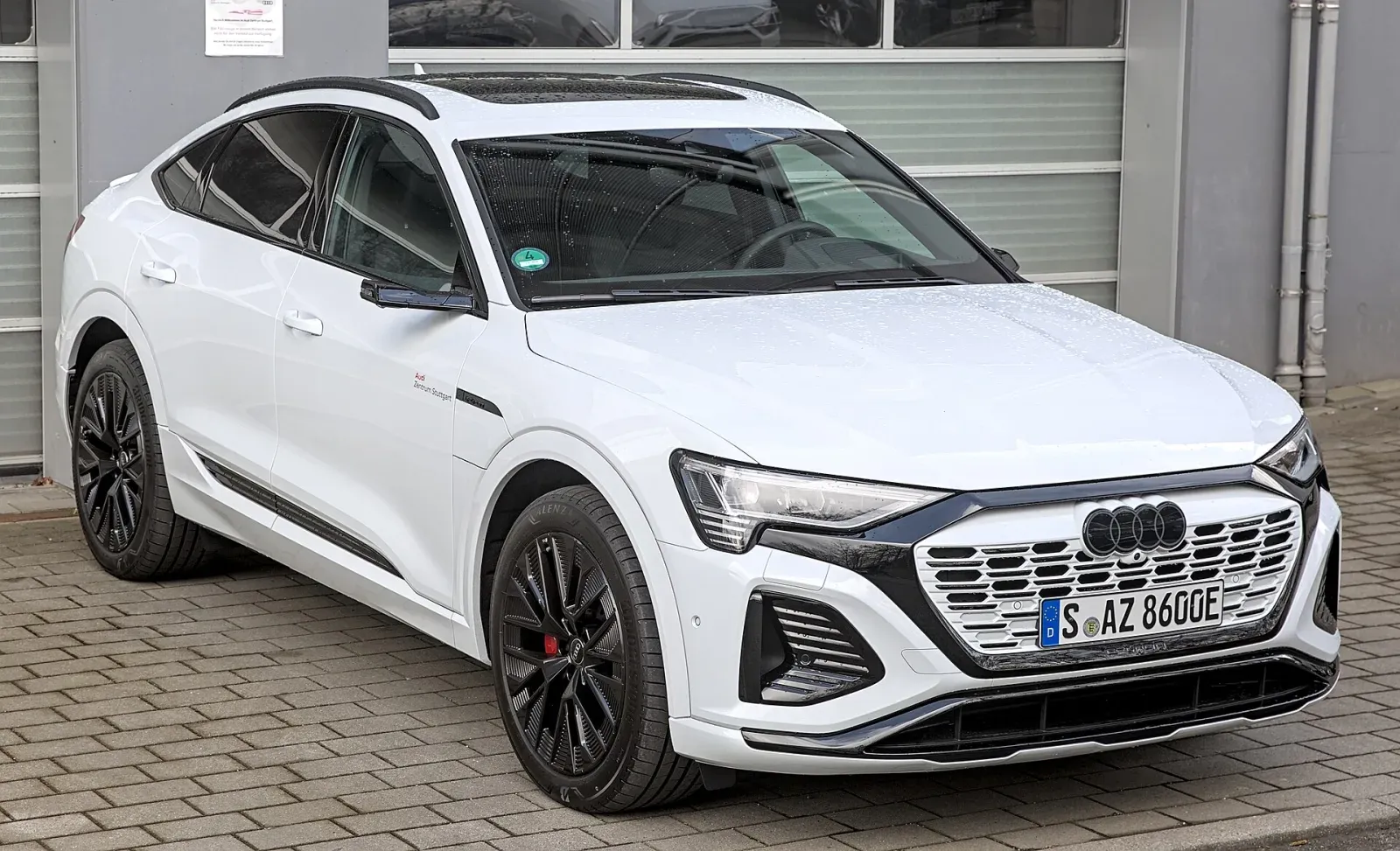
- Audi Q6 e-tron: AUDI AG
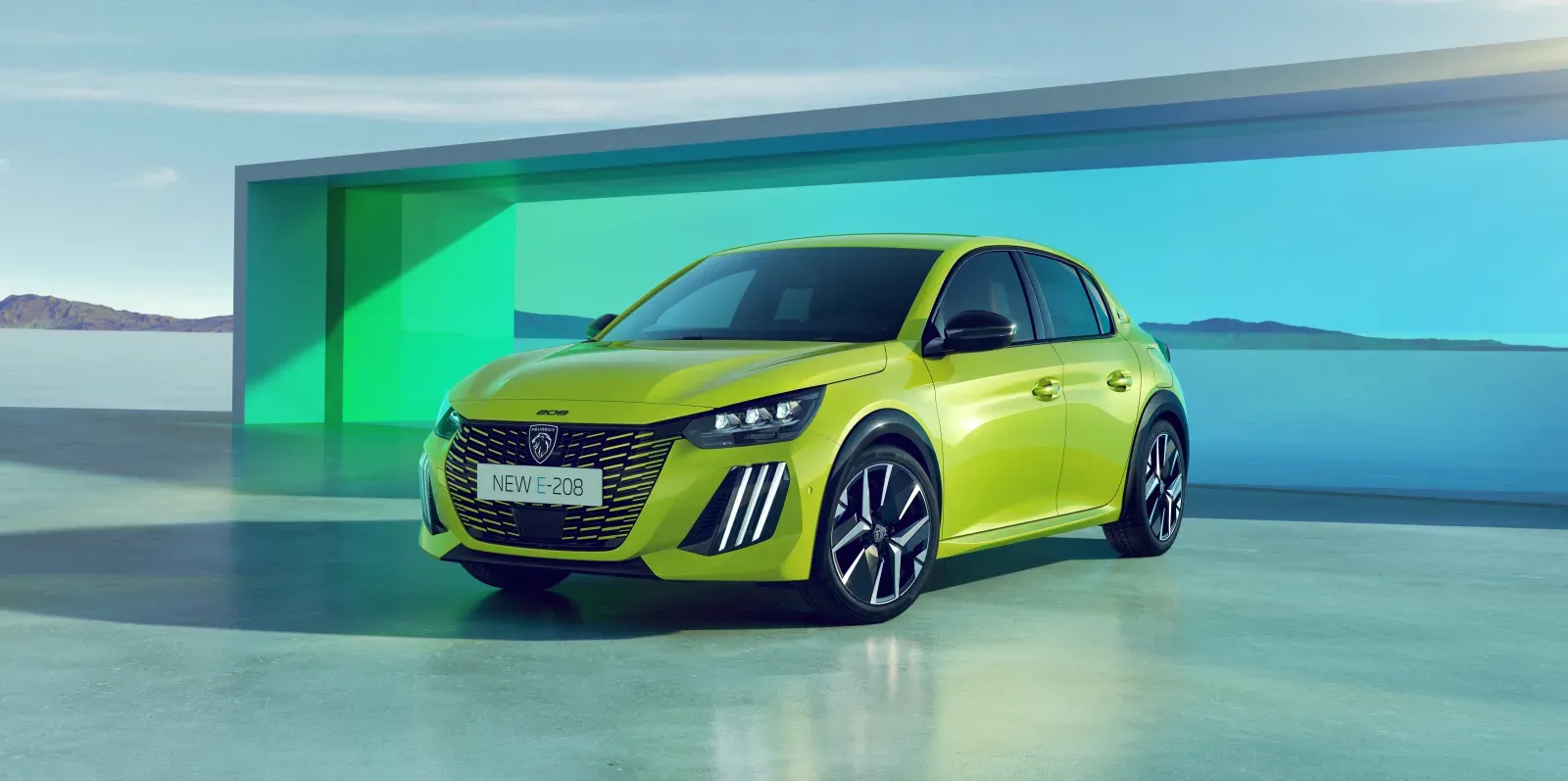
- Peugeot e-208: Peugeot / Stellantis
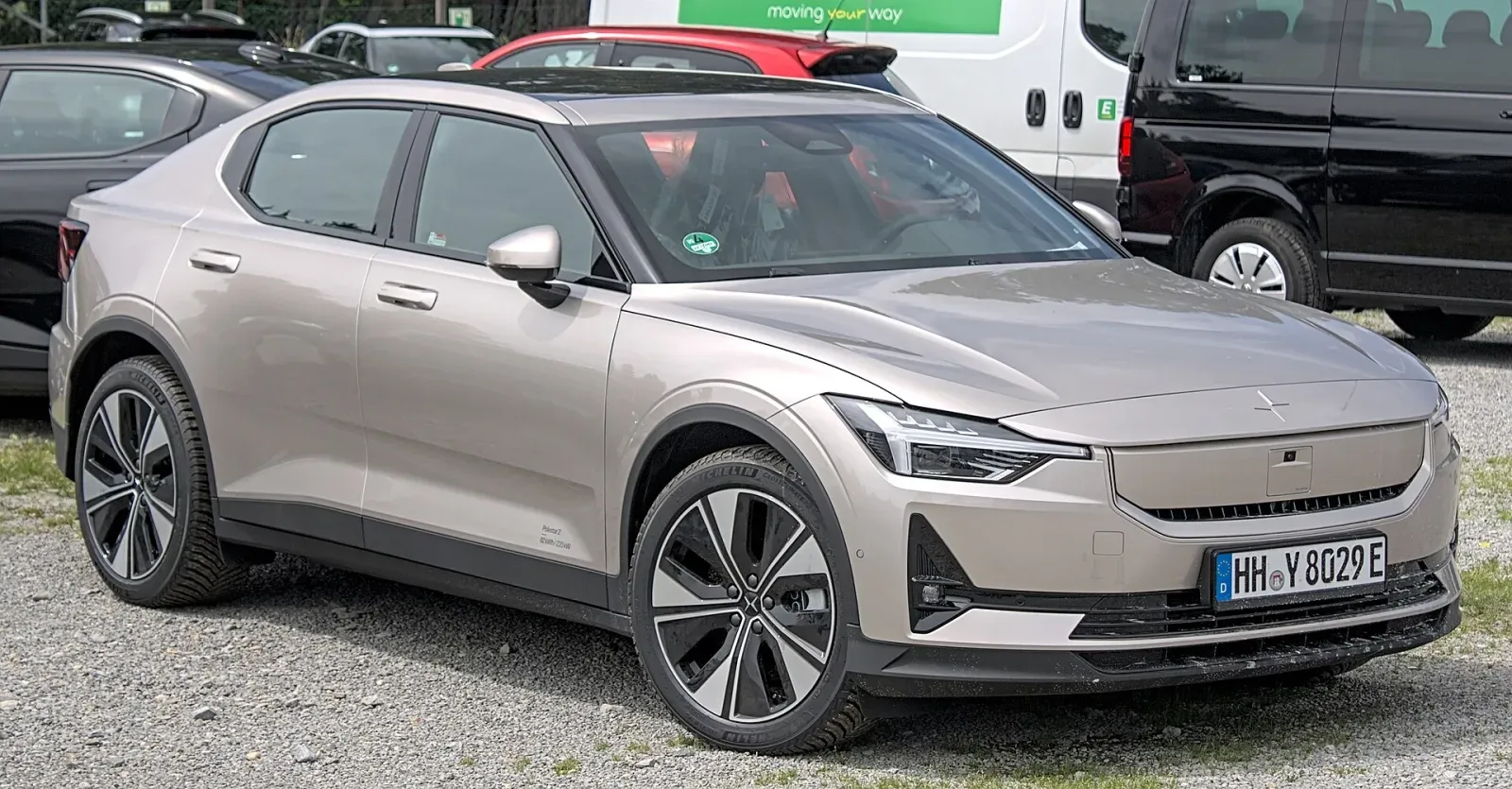
- Polestar 2: Alexander-93, CC BY-SA 4.0, Wikimedia Commons
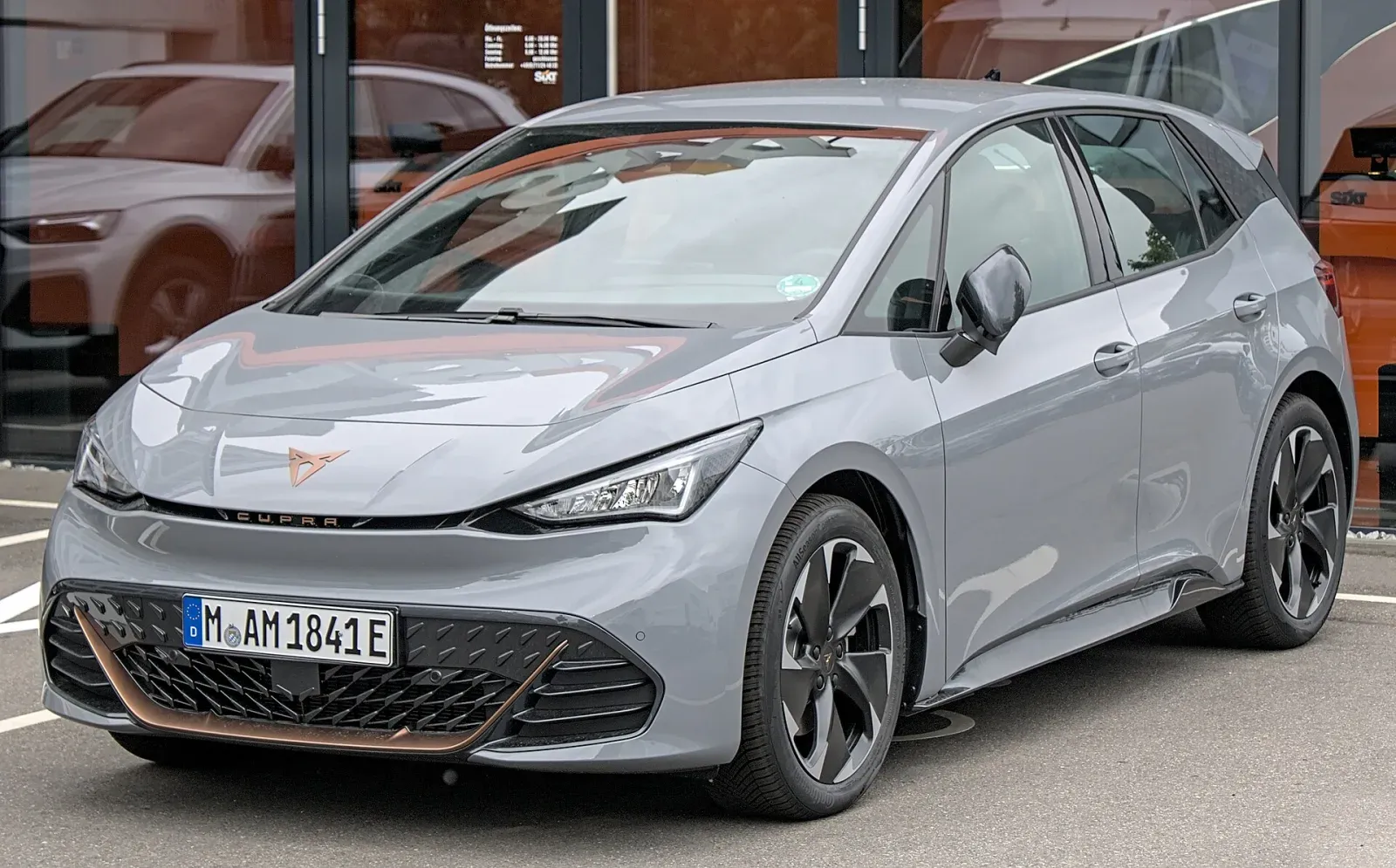
- Cupra Born: Alexander-93, CC BY-SA 4.0, Wikimedia Commons
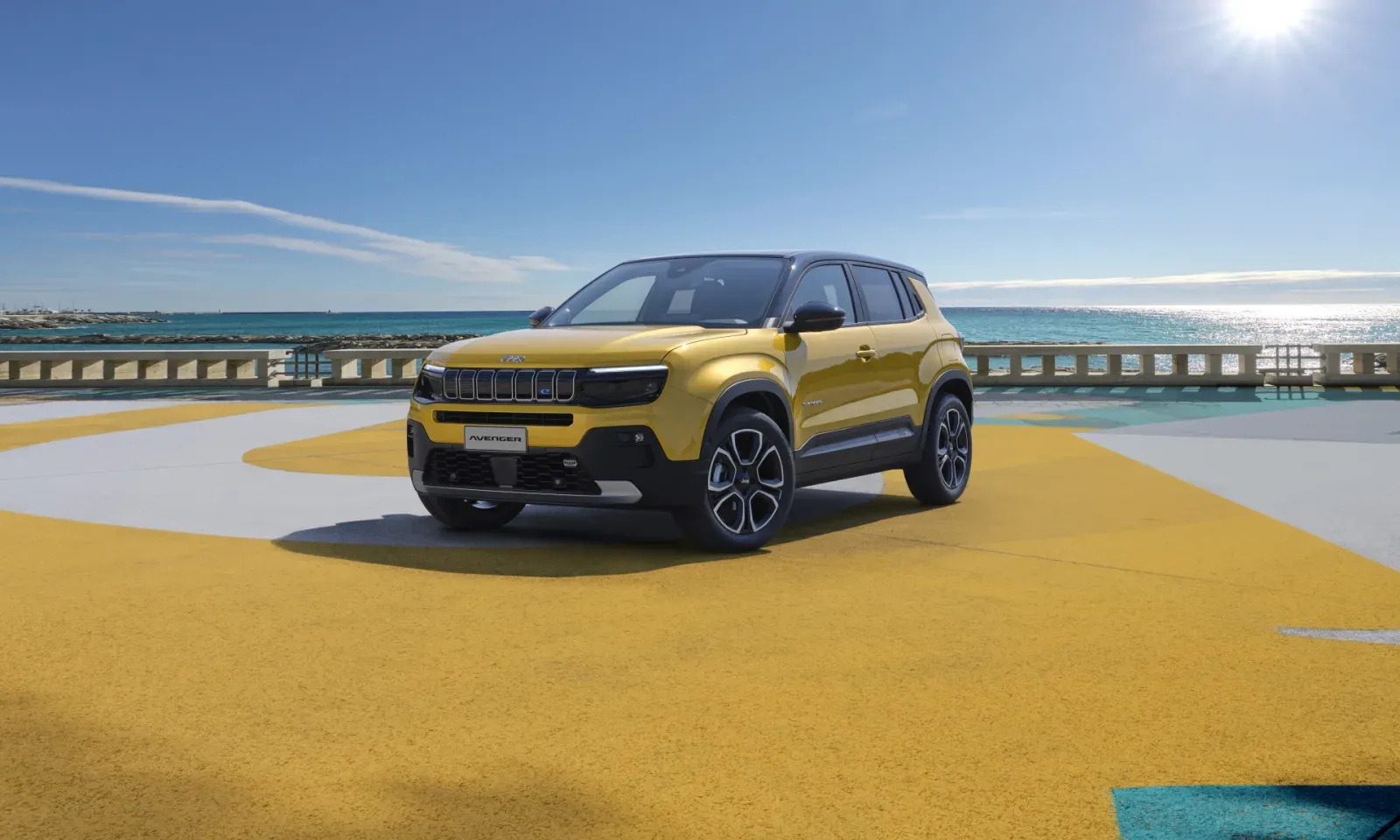
- Jeep Avenger: Jeep / Stellantis
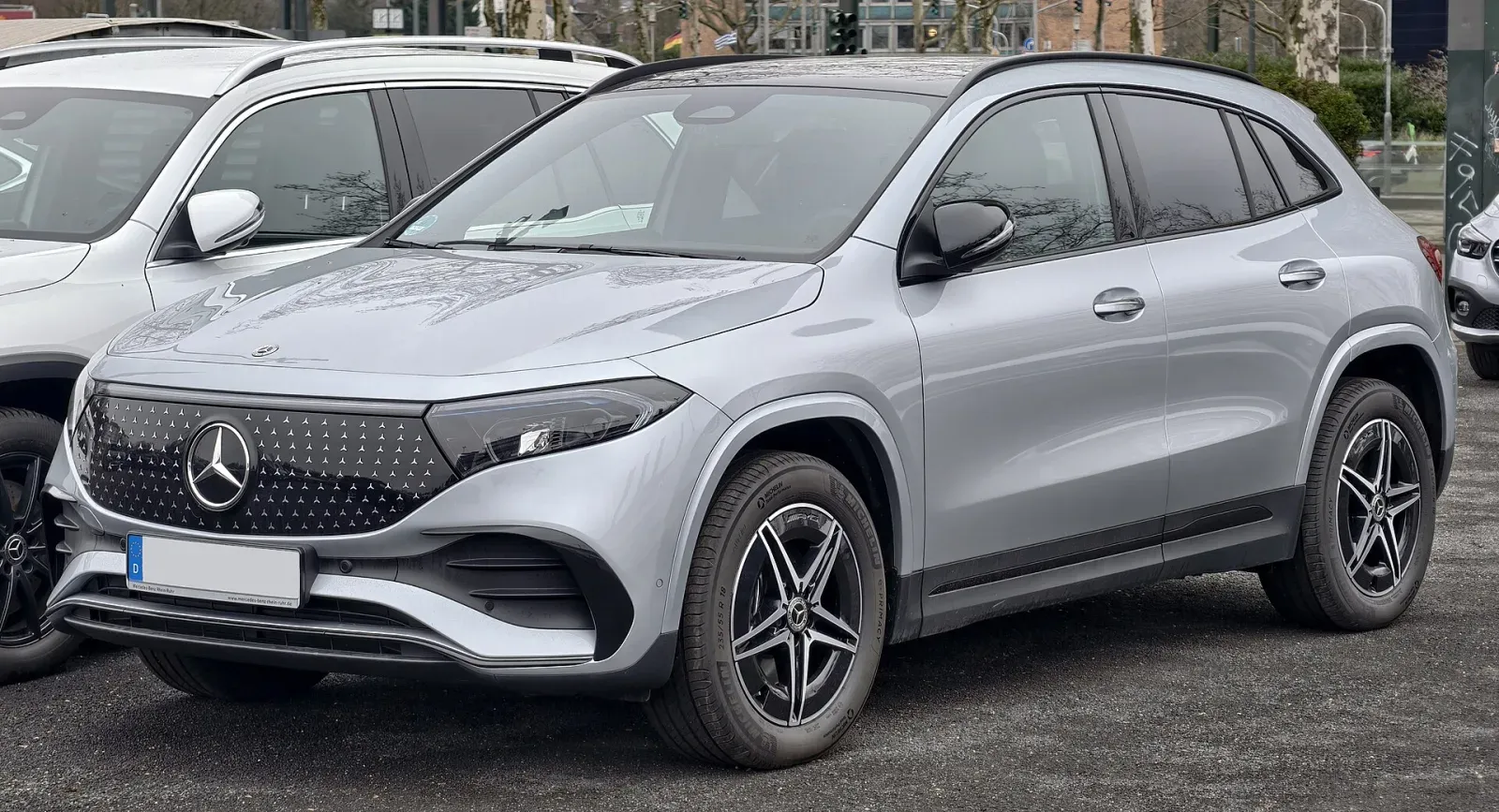
- Mercedes-Benz EQA: M 93, CC BY-SA 3.0 de, Wikimedia Commons
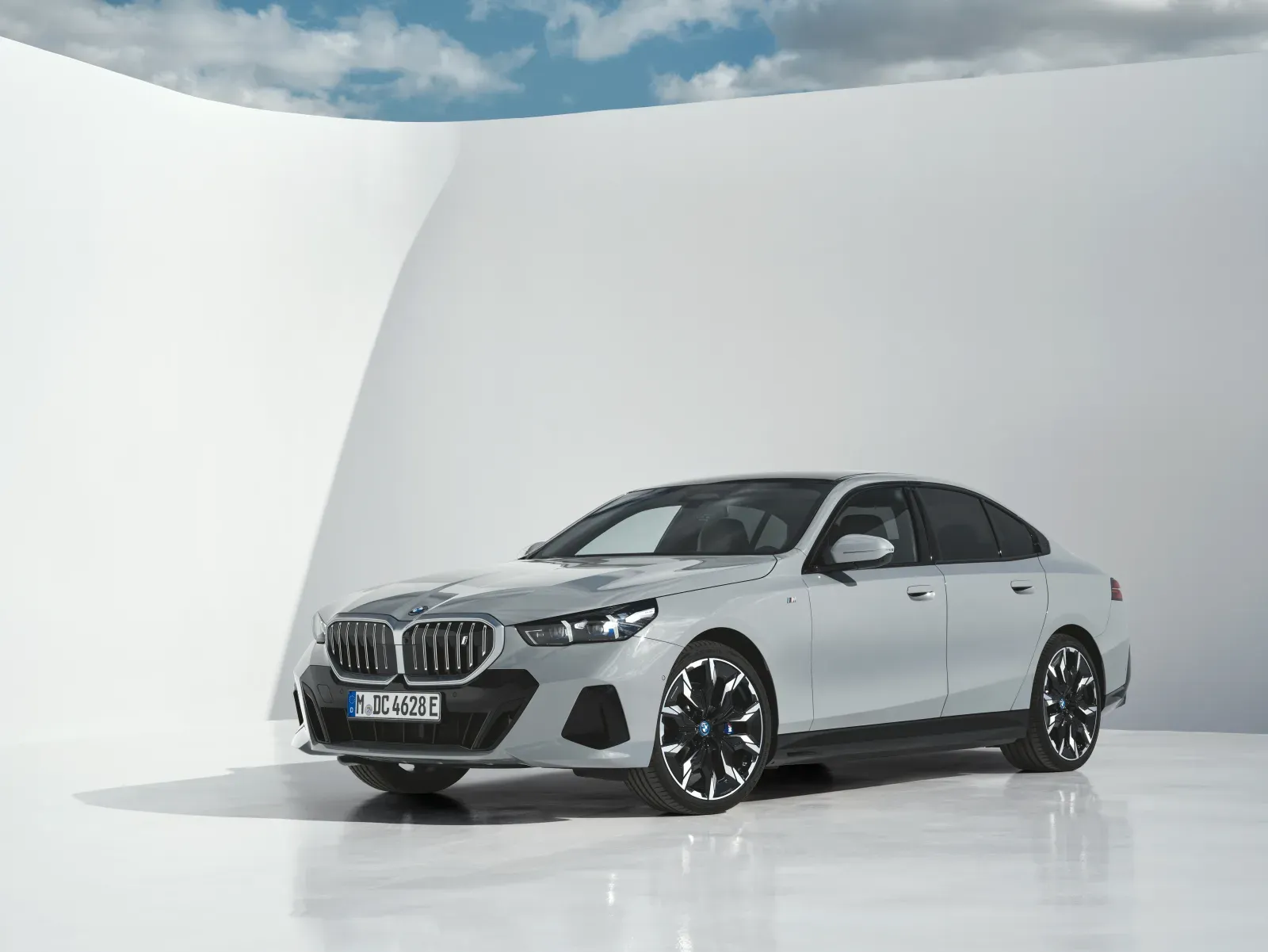
- BMW i5: BMW Group
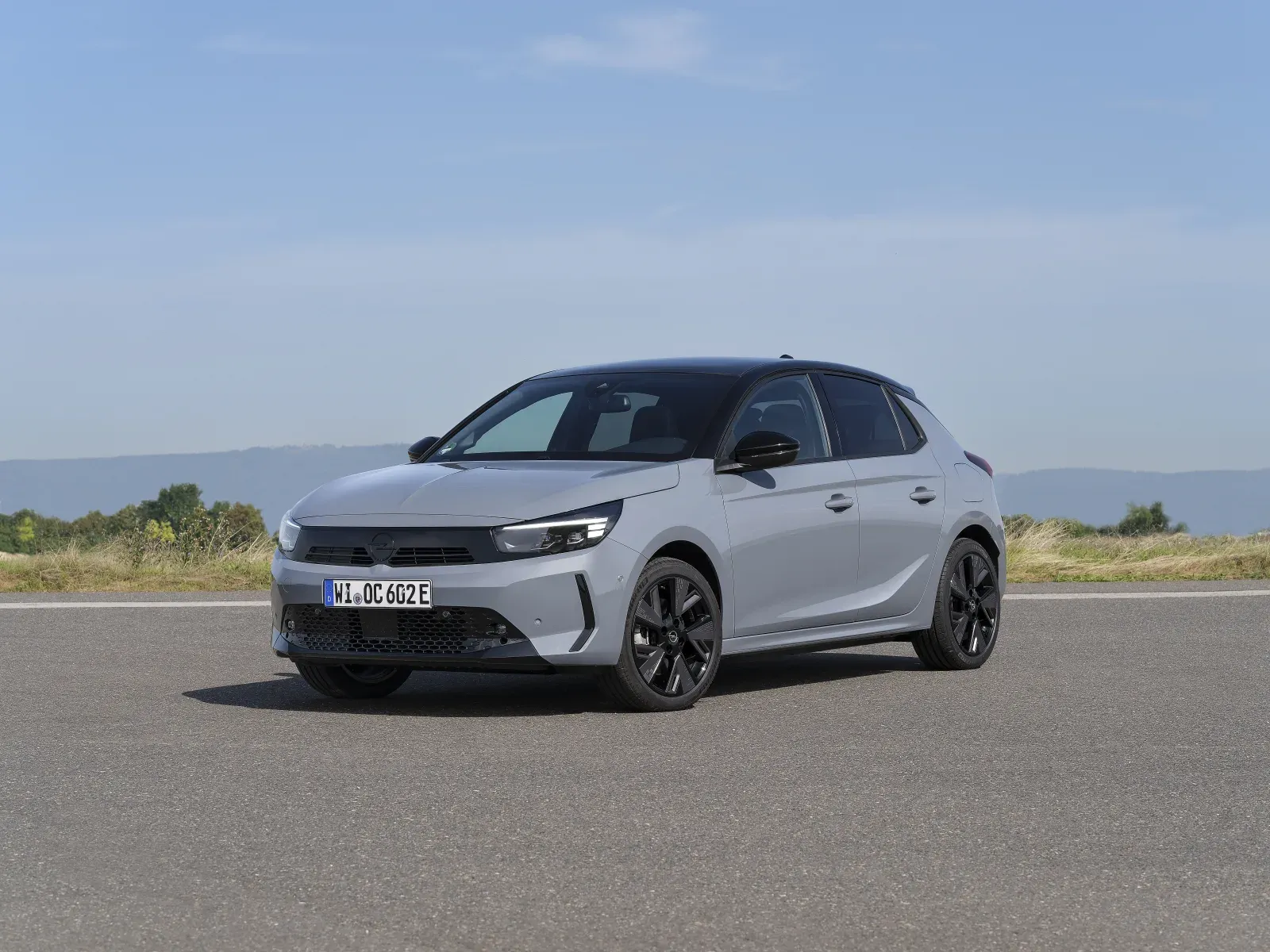
- Opel Corsa Electric: Opel / Stellantis
- Audi A6 e-tron: AUDI AG
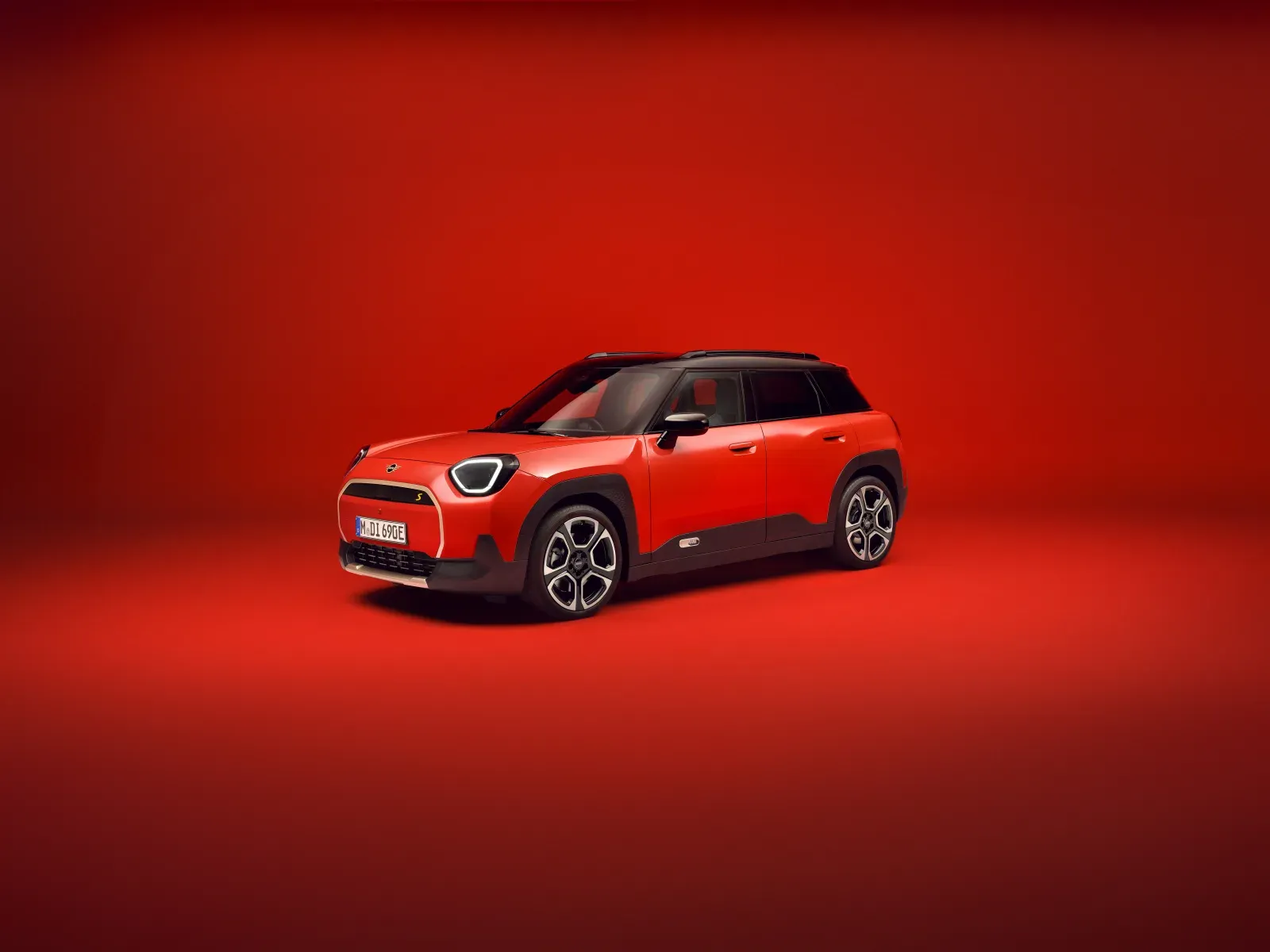
- Mini Aceman: MINI / BMW Group
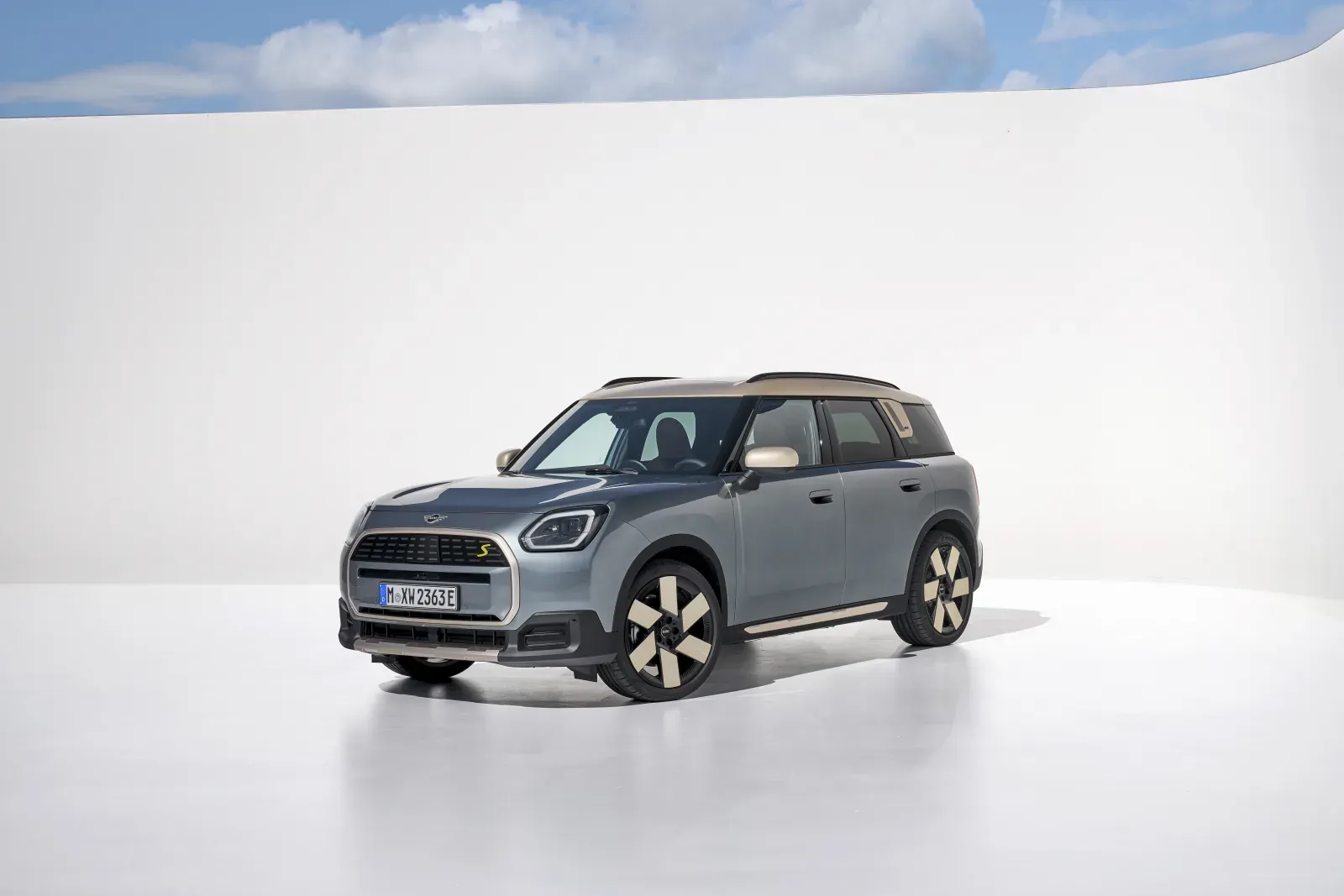
- Mini Countryman: MINI / BMW Group
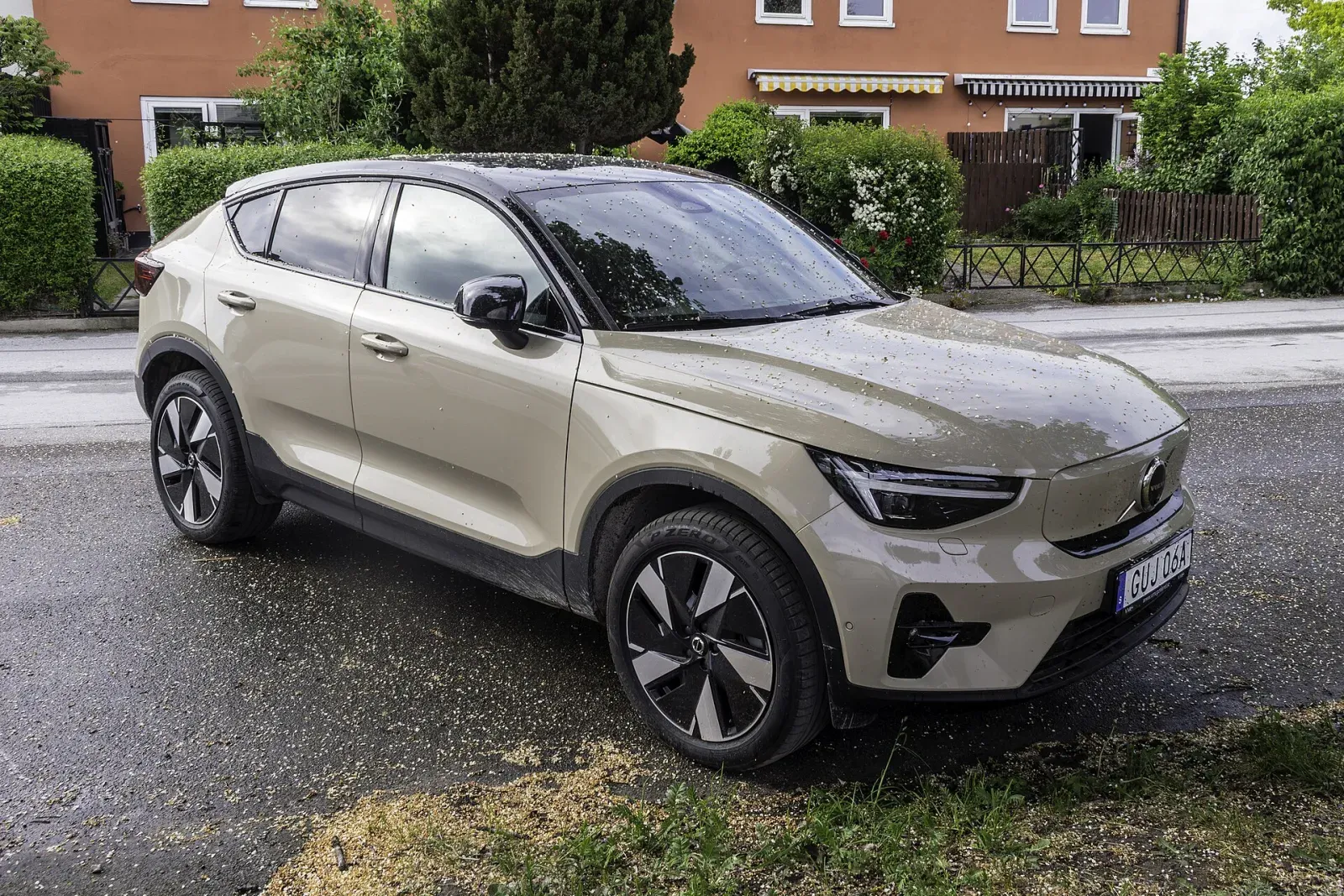
- Volvo EC40: Bene Riobó, CC BY-SA 4.0, Wikimedia Commons
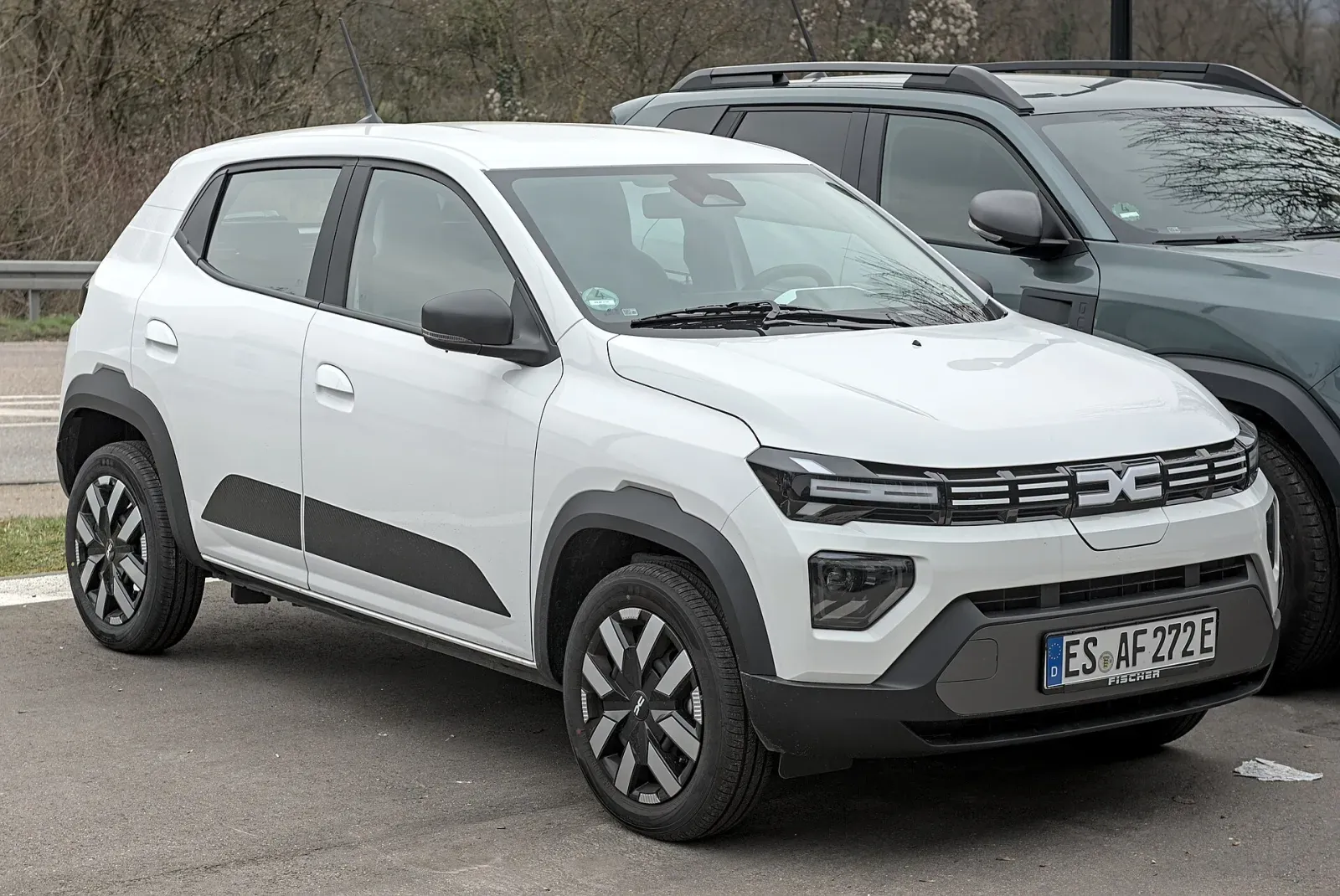
- Dacia Spring: Alexander Migl, CC BY-SA 4.0, Wikimedia Commons
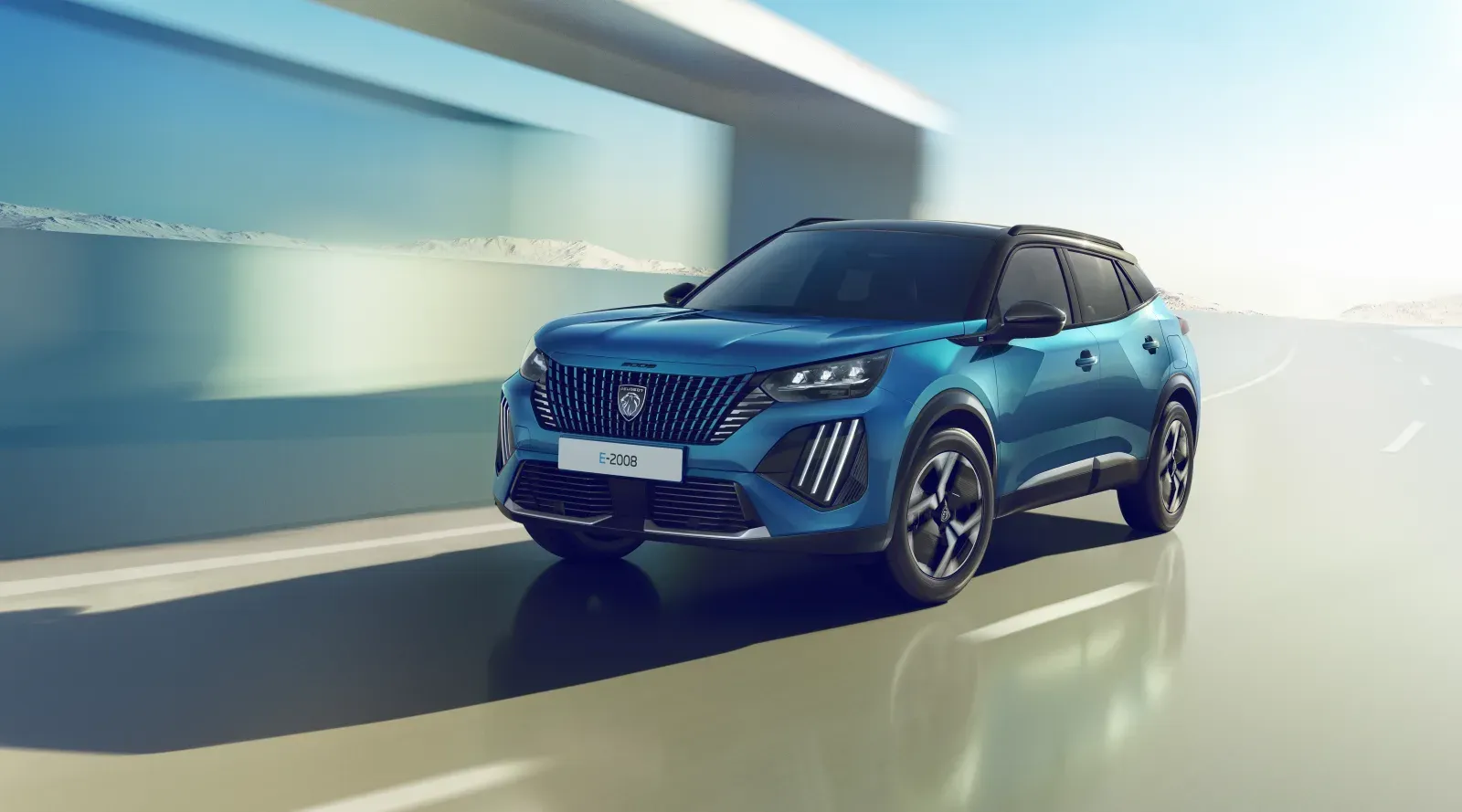
- Peugeot e-2008: Peugeot / Stellantis
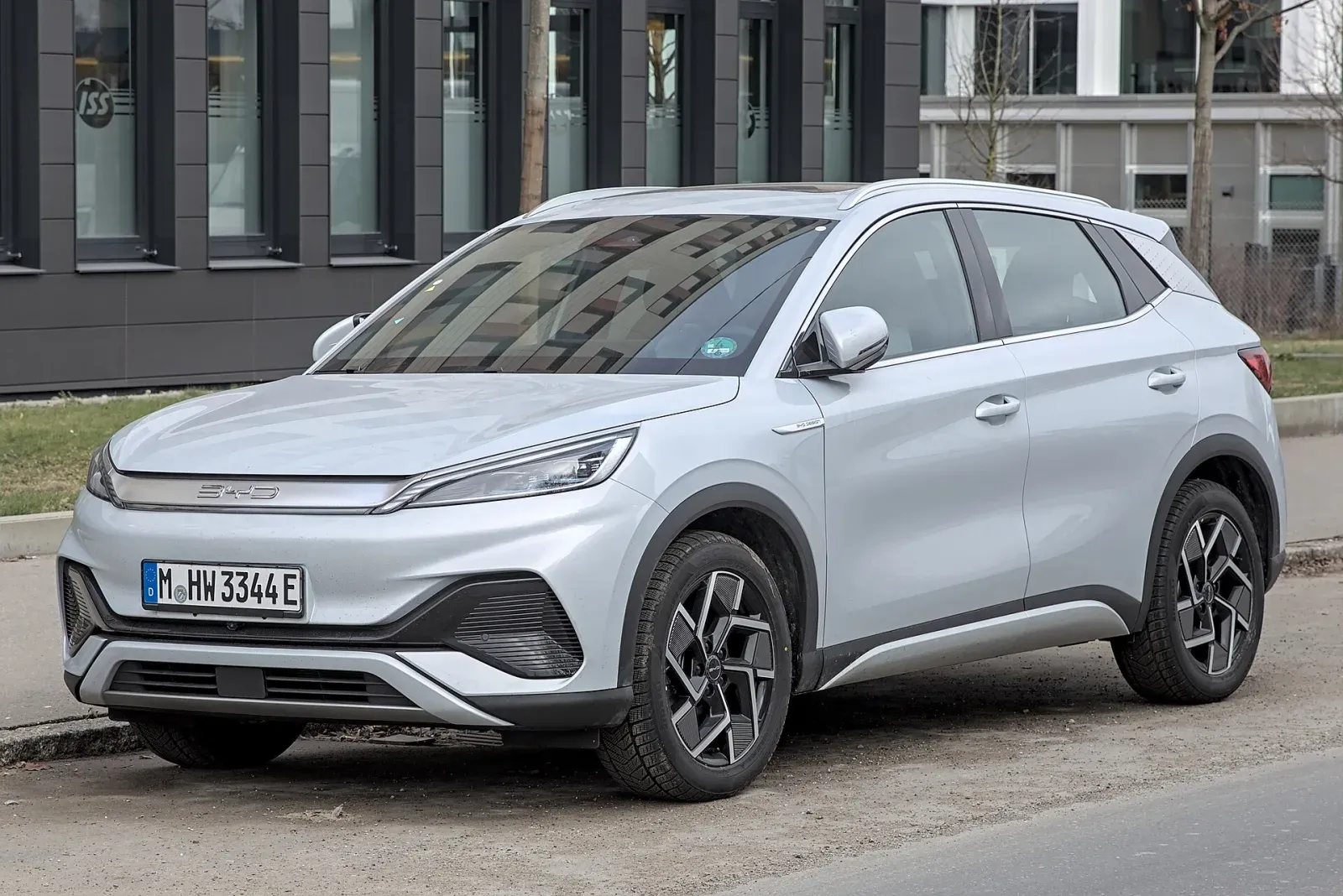
- BYD Atto 3: Alexander Migl, CC BY-SA 4.0, Wikimedia Commons
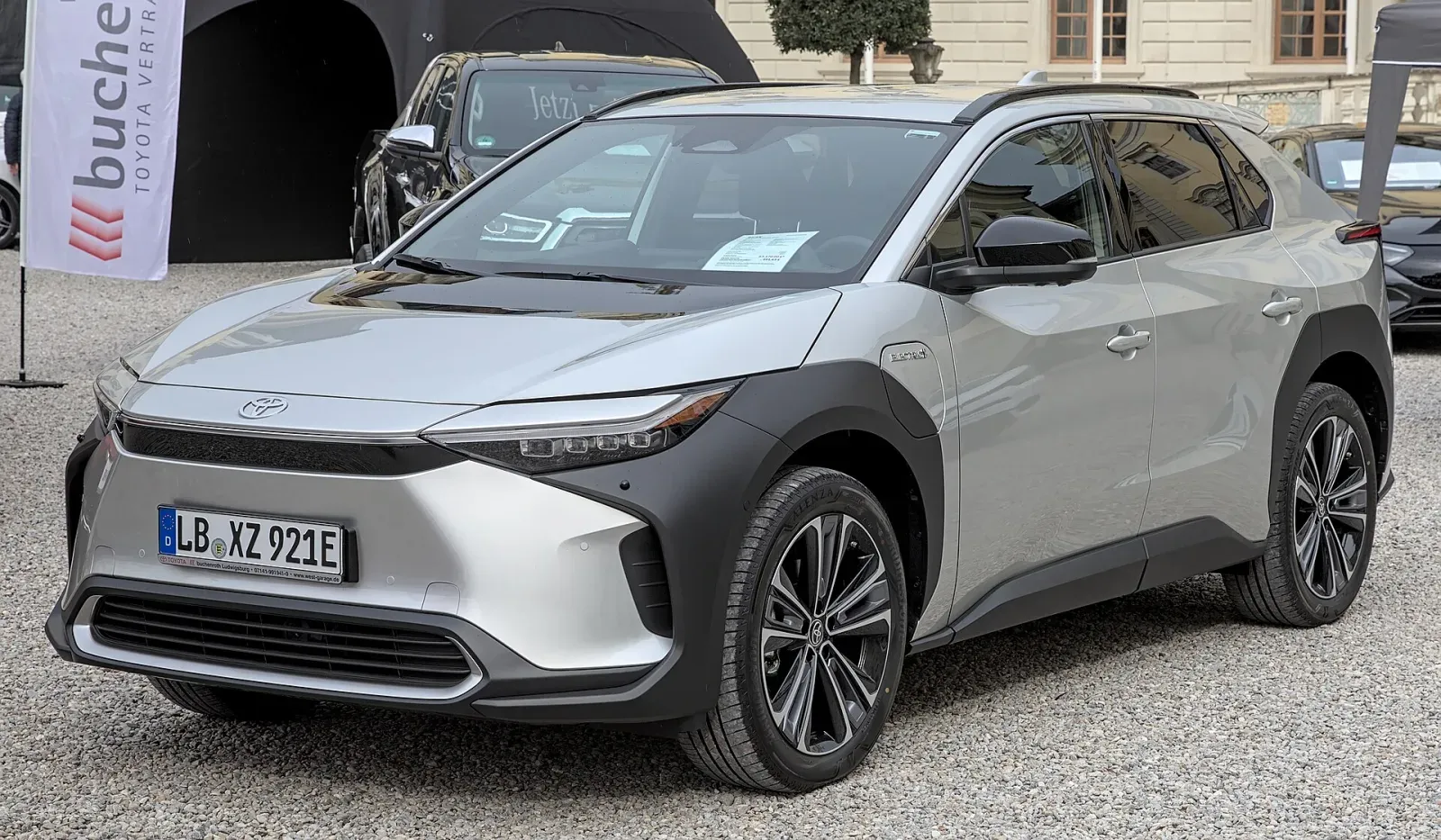
- Toyota bZ4X: Alexander Migl, CC BY-SA 4.0, Wikimedia Commons
- MG4: JoachimKohler-HB, CC BY-SA 4.0, Wikimedia Commons
- Kia EV9: Alexander-93, CC BY-SA 4.0, Wikimedia Commons
- Hyundai Ioniq 5: HJUdall, CC0, Wikimedia Commons
- MG5: Alexander Migl, CC BY-SA 4.0, Wikimedia Commons
- BMW iX2: BMW Group
- Cupra Tavascan: Alexander-93, CC BY-SA 4.0, Wikimedia Commons
- Peugeot e-3008: Peugeot / Stellantis
- Xpeng G6: Alexander Migl, CC BY-SA 4.0, Wikimedia Commons
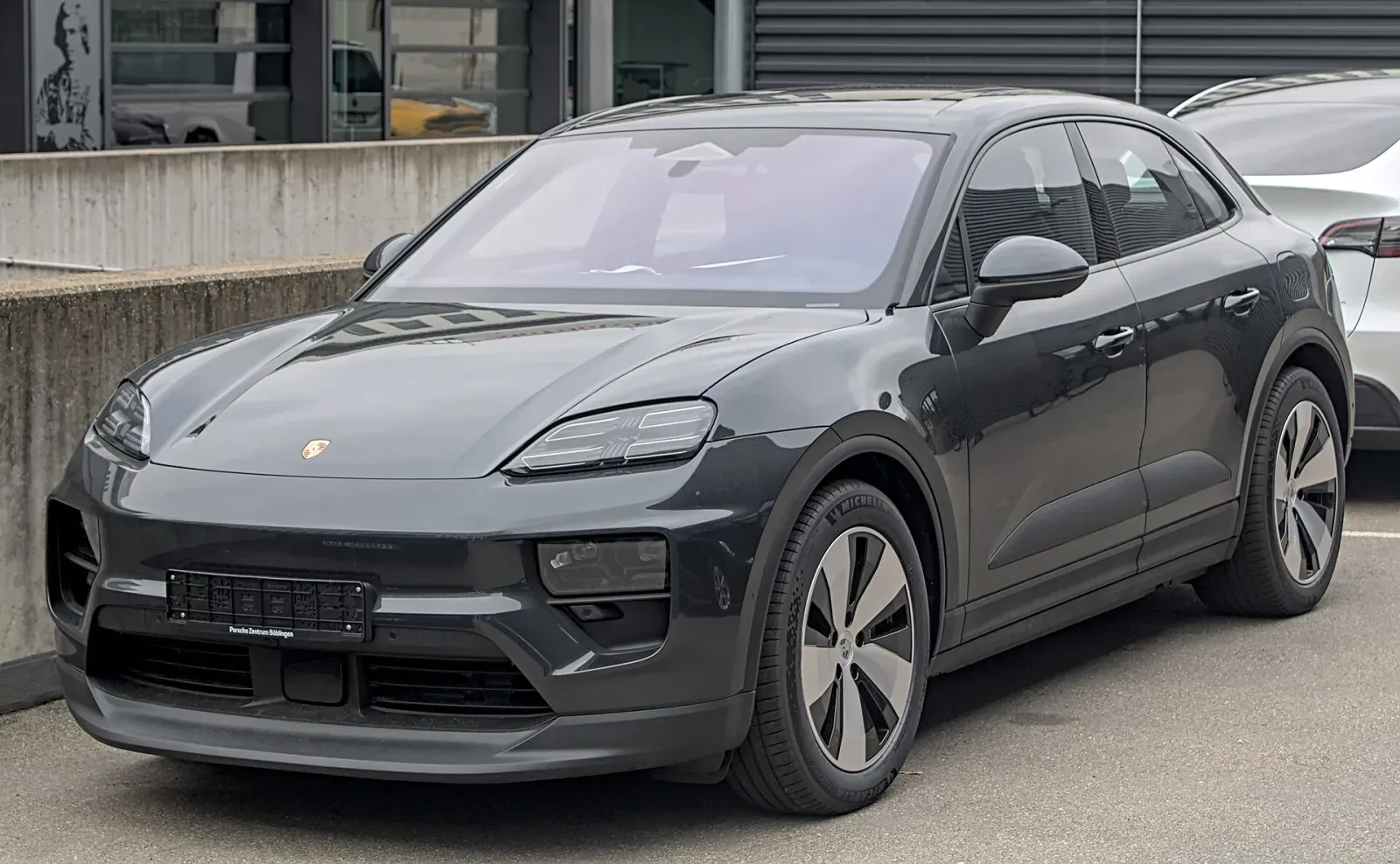
- Porsche Macan Electric: Alexander-93, CC BY-SA 4.0, Wikimedia Commons
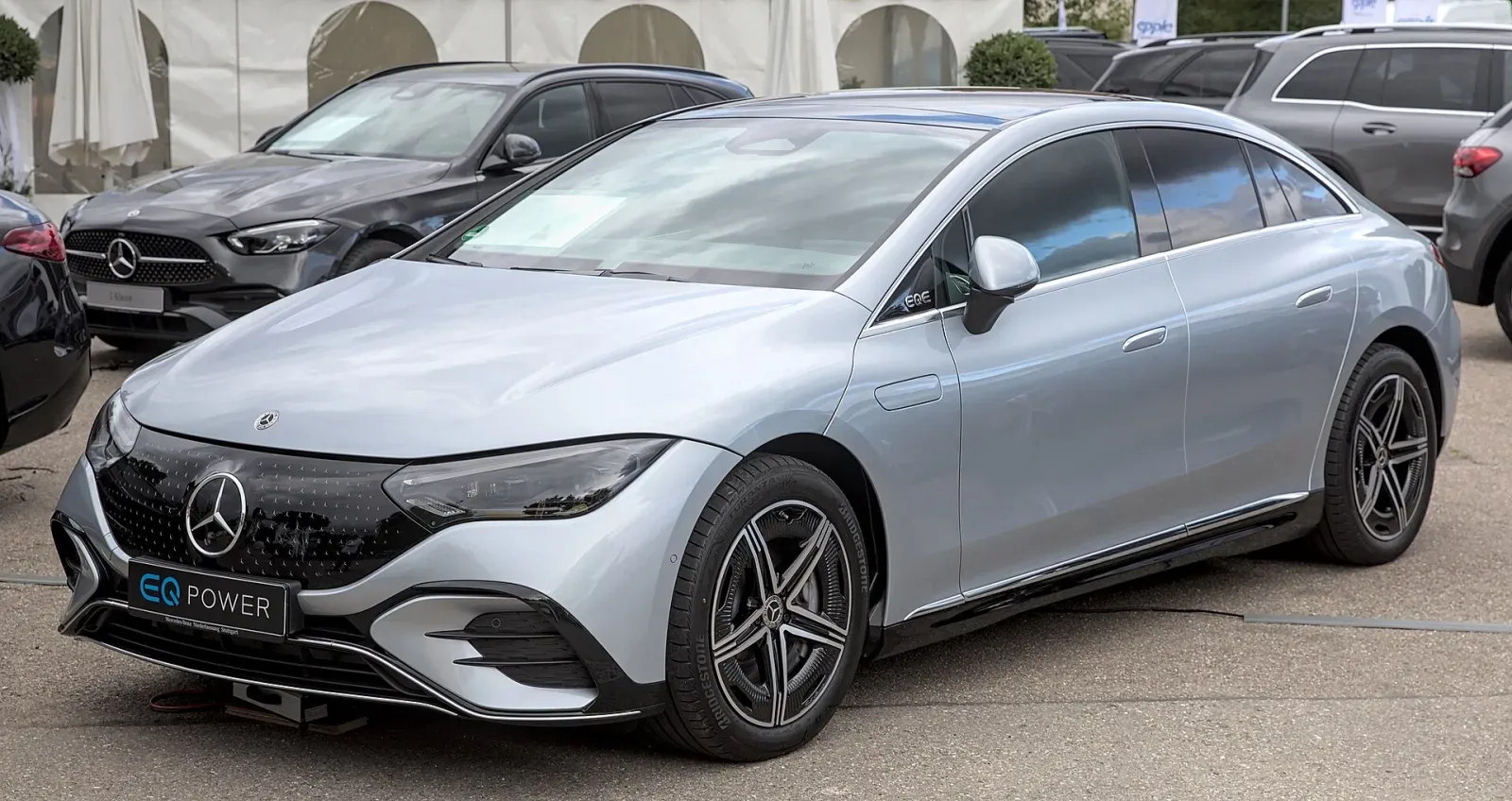
- Mercedes-Benz EQE: Alexander Migl, CC BY-SA 4.0, Wikimedia Commons
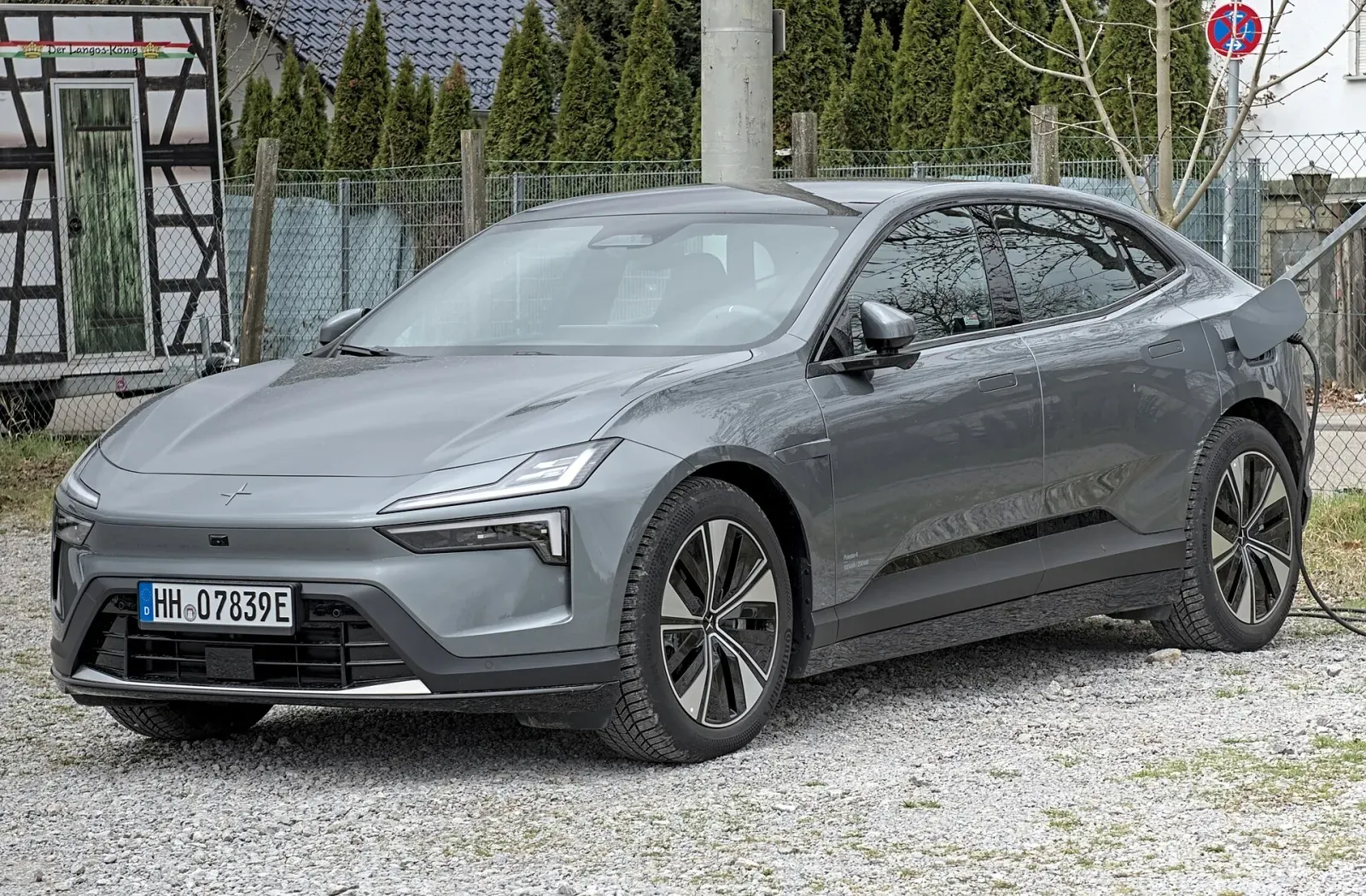
- Polestar 4: Alexander Migl, CC BY-SA 4.0, Wikimedia Commons
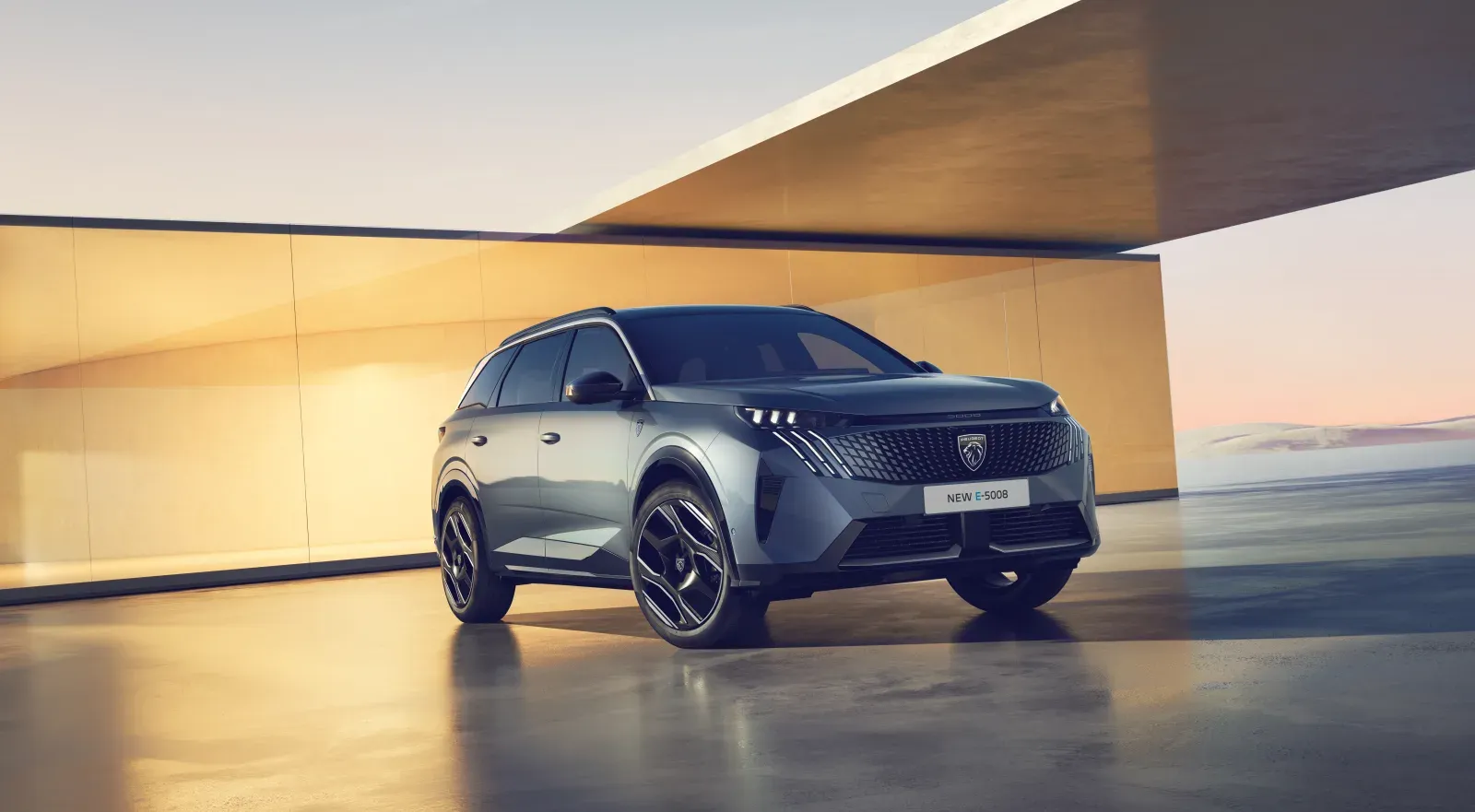
- Peugeot e-5008: Peugeot / Stellantis
- Ford Mustang Mach-E: Alexander Migl, CC BY-SA 4.0, Wikimedia Commons
- Mercedes-Benz CLA: M 93, CC BY-SA 3.0 de, Wikimedia Commons
- Citroën ë-C4: Citroën / Stellantis
- Nissan Ariya: Alexander-93, CC BY-SA 4.0, Wikimedia Commons
- Audi Q8 e-tron: Alexander-93, CC BY-SA 4.0, Wikimedia Commons
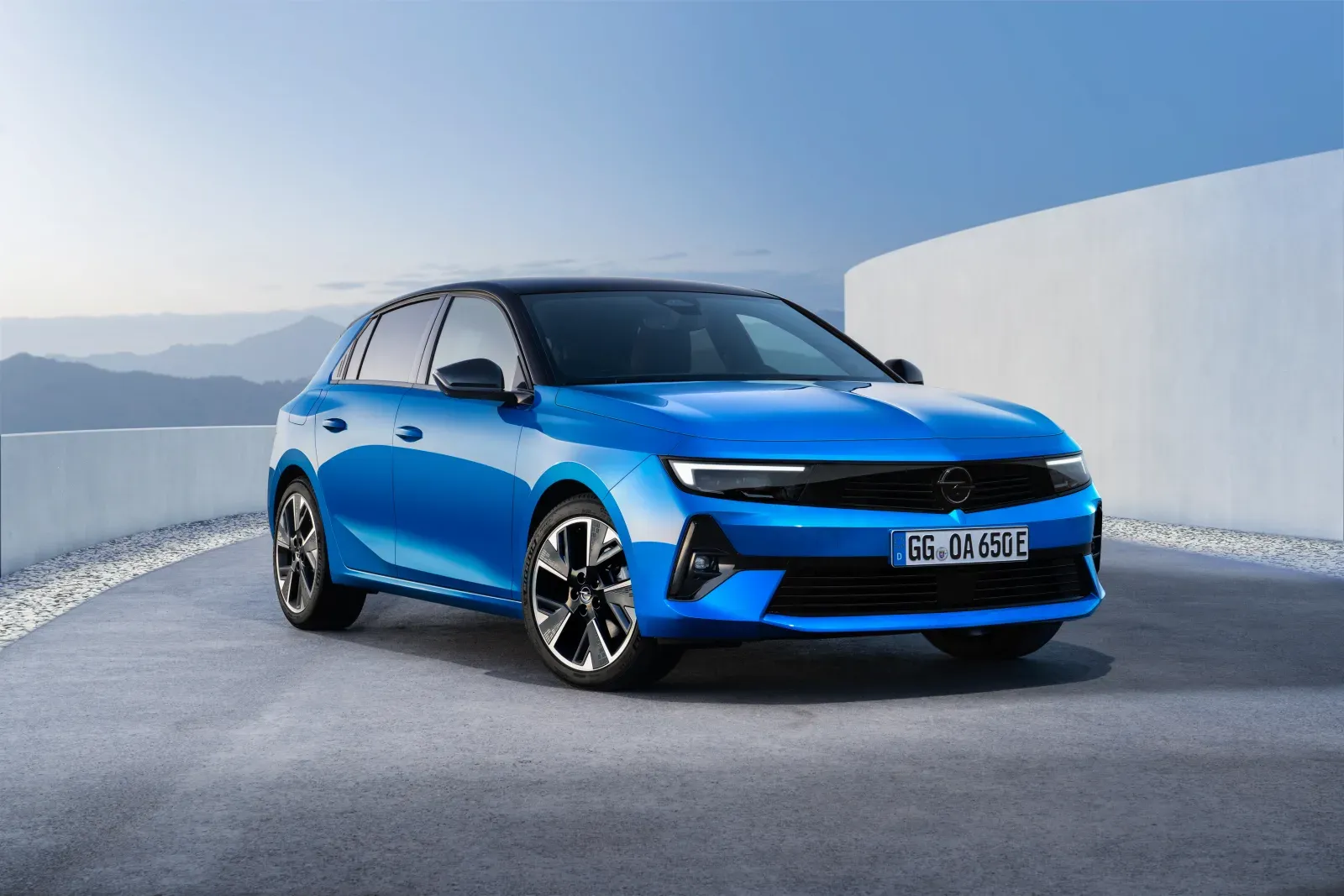
- Opel Astra Electric: Opel / Stellantis
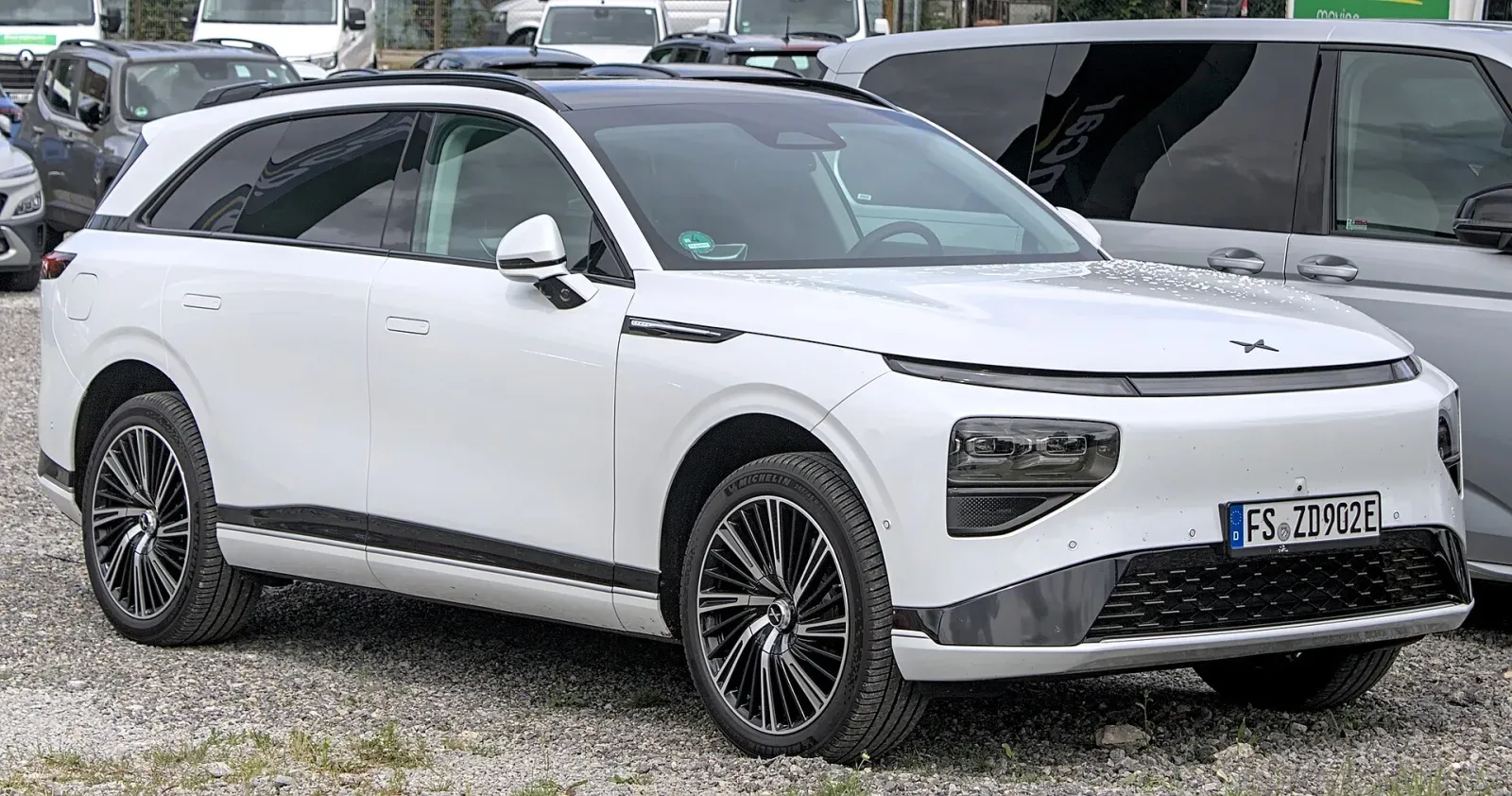
- Xpeng G9: Alexander-93, CC BY-SA 4.0, Wikimedia Commons
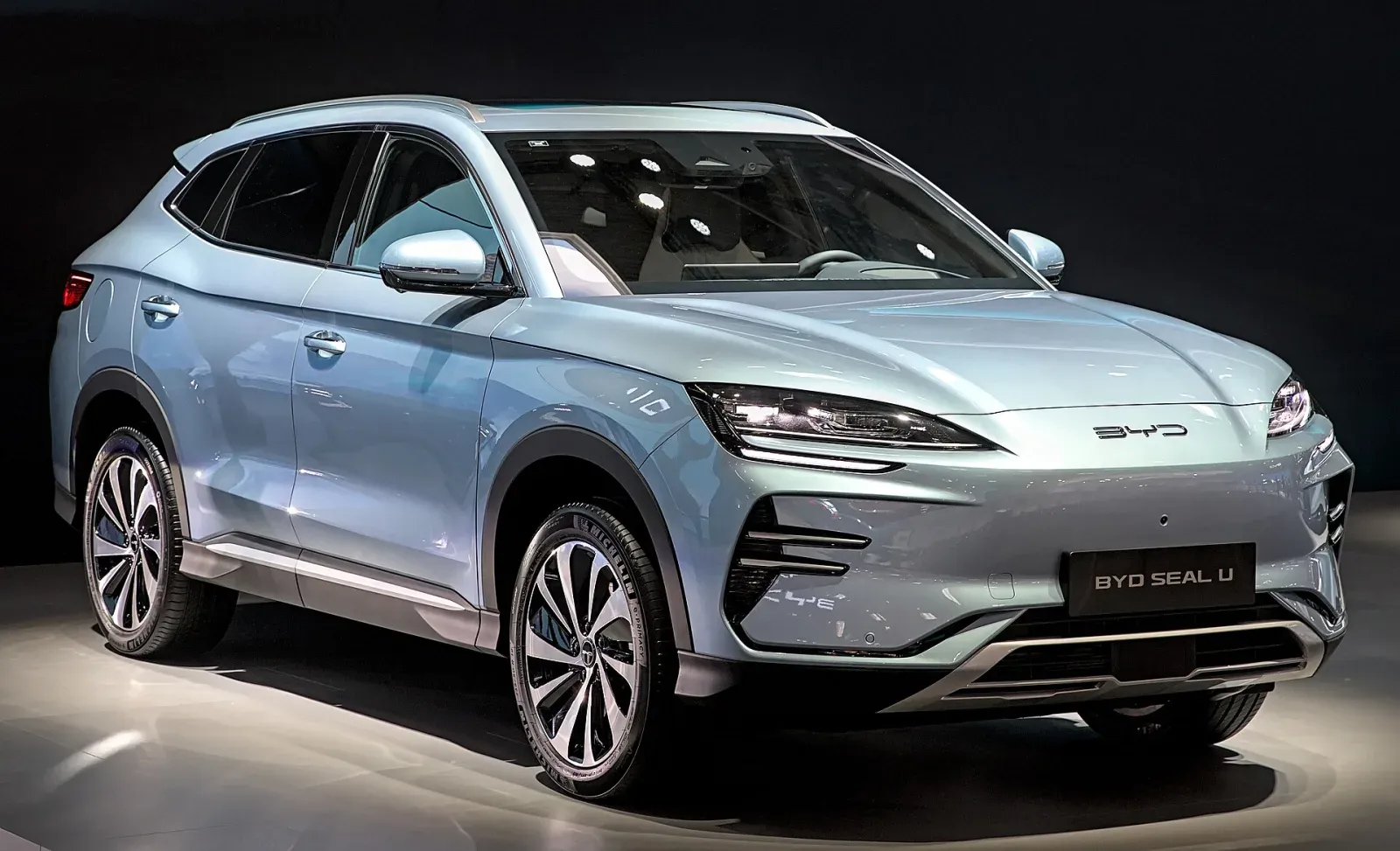
- BYD Seal U: Alexander-93, CC BY-SA 4.0, Wikimedia Commons
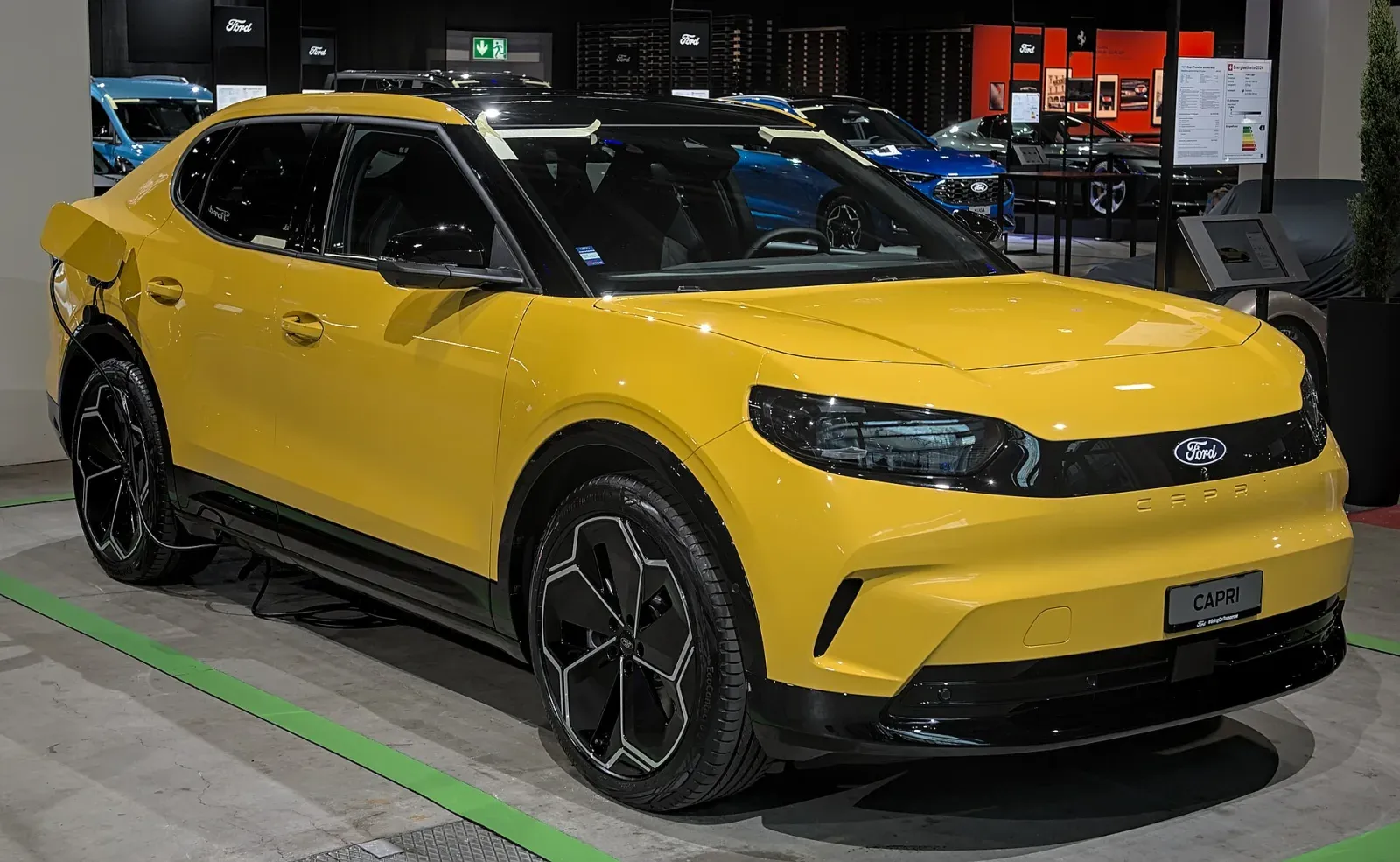
- Ford Capri: Alexander-93, CC BY-SA 4.0, Wikimedia Commons
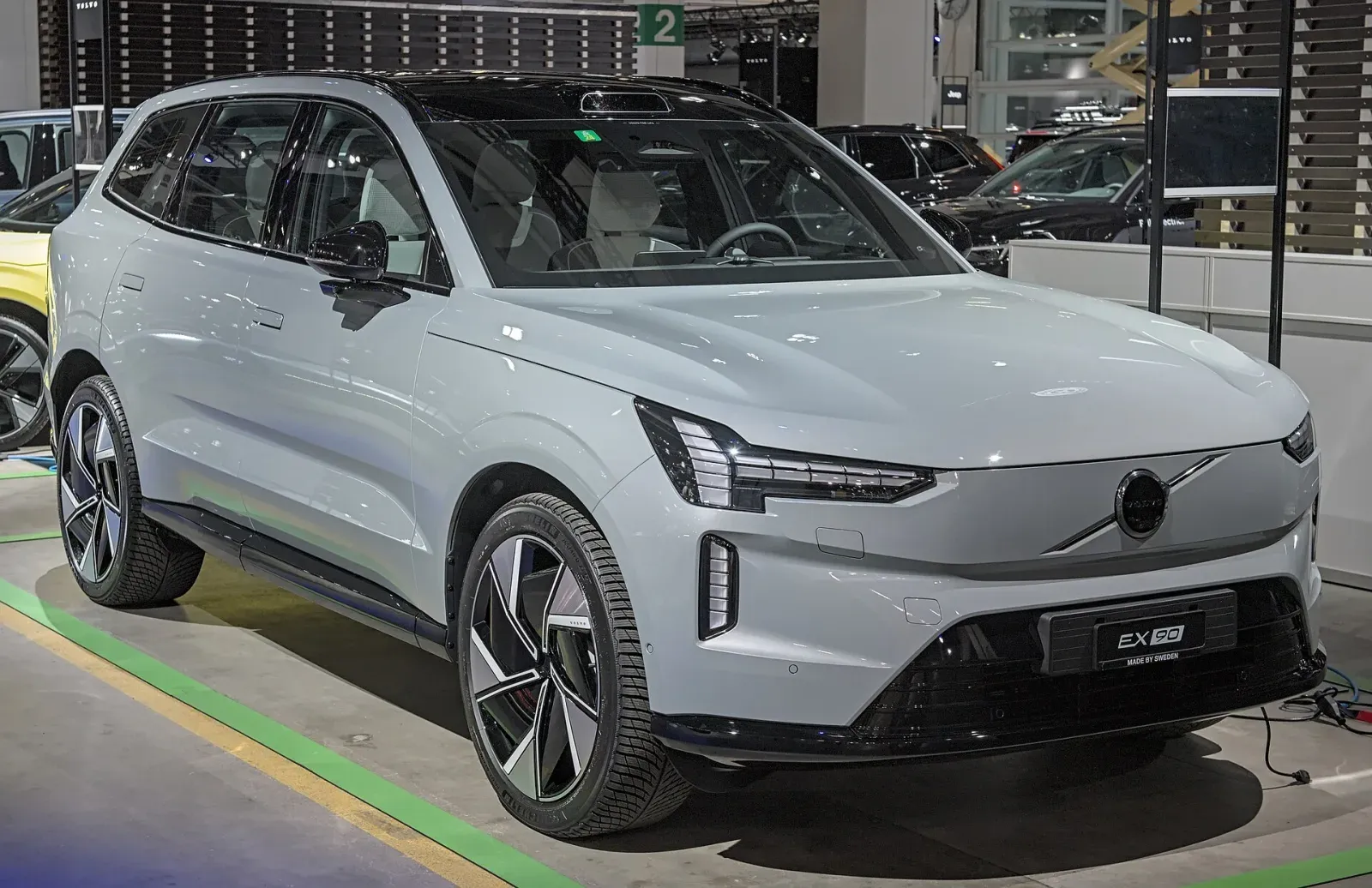
- Volvo EX90: Alexander-93, CC BY-SA 4.0, Wikimedia Commons
By charging type
Where you charge decides what 100 km costs
For the 12 most registered models. The difference between cars is small next to the difference between smart home charging and fast charging without a card.
Charging cost per 100 km, incl. VAT
Per model: four ways of charging on one axis. Hover a row for the amounts.
- At home, smart charging
- At home, dynamic contract
- Public charging (AC)
- Fast charging (DC)
View the numbers
| Model | Smart at home | At home | Public | Fast |
|---|---|---|---|---|
| Tesla Model Y | €2.92 | €4.06 | €8.95 | €12.64 |
| Tesla Model 3 | €2.45 | €3.41 | €7.52 | €10.63 |
| Volvo EX30 | €3.16 | €4.39 | €9.69 | €13.68 |
| Skoda Elroq | €2.92 | €4.06 | €8.95 | €12.64 |
| Volvo EX40 | €3.14 | €4.37 | €9.63 | €13.60 |
| Kia EV3 | €2.77 | €3.85 | €8.49 | €11.99 |
| Audi Q4 e-tron | €3.18 | €4.42 | €9.75 | €13.77 |
| BMW iX1 | €3.01 | €4.19 | €9.23 | €13.04 |
| Skoda Enyaq | €2.88 | €4.01 | €8.83 | €12.48 |
| Kia Niro EV | €3.01 | €4.19 | €9.23 | €13.04 |
| Renault 5 E-Tech | €2.81 | €3.90 | €8.61 | €12.16 |
| Volkswagen ID.4 | €3.03 | €4.21 | €9.29 | €13.12 |
How we calculate
Four prices, one consumption, no assumptions
Cost per 100 km = consumption in kWh per 100 km × the price per kWh. All prices include VAT and come from data we show elsewhere on the site with its source. Fixed costs per connection (standing charge, grid fees, the tax reduction) do not depend on how much you charge and are left out.
At home, smart charging
€0.186/kWh
The same build-up, but with the average market price in the 4 cheapest hours of each day (€0.043). For a charger or car that picks those hours itself.
Smart charging in the trendsAt home, dynamic contract
€0.259/kWh
Average market price October 2025 to September 2026 (€0.103 per kWh), plus energy tax and 21% VAT per month, plus the median markup of 17 dynamic contracts (€0.0200).
Compare dynamic contractsPublic charging (AC)
€0.570/kWh
Median price without a charging card (ad hoc) across the 3 charging networks that publish one, checked on October 21, 2026. Municipal concession prices are often lower.
Charging prices per network and cityFast charging (DC)
€0.805/kWh
Median price without a charging card (ad hoc) across the 4 fast-charging networks that publish one, checked on October 21, 2026. A subscription or own app can be cheaper.
Compare charging cards
Consumption: type approval, not a real-world figure
Consumption is the WLTP value from type approval: a laboratory test, measured at the socket and so including charging losses. Real consumption is often higher, especially in winter and at motorway speeds. We count every new registration in 2024 and 2025 and take the median per model; versions (battery, wheels, drive) and renames are grouped. Values more than 50% away from the model’s median are left out as reporting errors. Included: models with at least 1,000 registrations.
ERE: only for kWh charged at home
Every kWh you charge at home is worth 0.33269 ERE (statutory conversion). At the current market price of €0.460 per ERE and after the median commission of 20% that is €0.122 per kWh. Since 1 January 2026, private users need a charger with a built-in MID meter; a separate meter in the meter cupboard does not count.
Questions
Questions about charging costs
Which electric car uses the least energy?
Of the 62 most registered models, the Mercedes-Benz CLA (13.1 kWh), the Tesla Model 3 (13.2 kWh) and the Dacia Spring (13.3 kWh) have the lowest consumption per 100 km according to type approval (WLTP). The highest is the Audi Q8 e-tron at 22.1 kWh. It is the median across all versions registered in the Netherlands in 2024 and 2025, source EEA.
What does 100 km of electric driving cost?
For a car with the median consumption of 16.2 kWh per 100 km: €4.17 at home on a dynamic contract, €3.00 when you charge smart in the cheapest hours, €9.21 at a public charger without a card and €13.00 at a fast charger without a card. Home charging uses the average price of October 2025 to September 2026.
How much ERE does home charging earn per year?
At 15,000 km a year, all charged at home, after the median commission of 20%: from about €240 (Mercedes-Benz CLA) to €405 (Audi Q8 e-tron); a car with the median consumption comes to €295. Since 1 January 2026, private users need a charger with a built-in MID meter for this.
Is the WLTP consumption realistic?
WLTP is the European test procedure for type approval: a laboratory measurement, including charging losses. Real consumption is often higher, especially in winter (heating, a cold battery) and at motorway speeds. We apply no correction of our own, so every figure traces back to its source; use the calculator on each model page for your own situation.
Where do the consumption figures come from?
From the EU monitoring of CO2 emissions from new passenger cars (Regulation (EU) 2019/631) by the European Environment Agency (EEA): the electric energy consumption field (Wh/km) of every new electric car registered in the Netherlands in 2024 and 2025 (2025 provisional). We take the median over all registrations per model. License CC BY 4.0, © European Commission, DG CLIMA / EEA. Retrieved on September 27, 2026.