Independent · no paid placement
What does yourcharger earn?
Compare every ERE provider on net earnings, terms and reliability. With sources, and no sponsored ranking.
Our top 3
1,800 kWh charged at home


Our top 3
2,700 kWh charged at home
Our top 3
3,600 kWh charged at home
Our top 3
5,400 kWh charged at home

- providers compared independently
- 41
- checks behind every trust score
- 18
- paid placements or sponsors
- 0
- current market price per ERE
- €0.31
Electricity priceToday, Sun, Nov 8
€0.242/kWhAverage
Market price (day-ahead), excl. VAT and energy tax.
Power now: 11.3% renewable (forecast), €0.217 per kWh (06:15 to 06:30).
Cheapest 3 hours to charge11:30 to 14:30 · €0.212
How ERE works
Your charger measures. You get paid.
Every kWh you charge into your car at home counts towards the Dutch climate targets for transport. Fuel suppliers must buy EREs to meet them. A registration provider turns your charging data into EREs and pays you your share.
Read how ERE works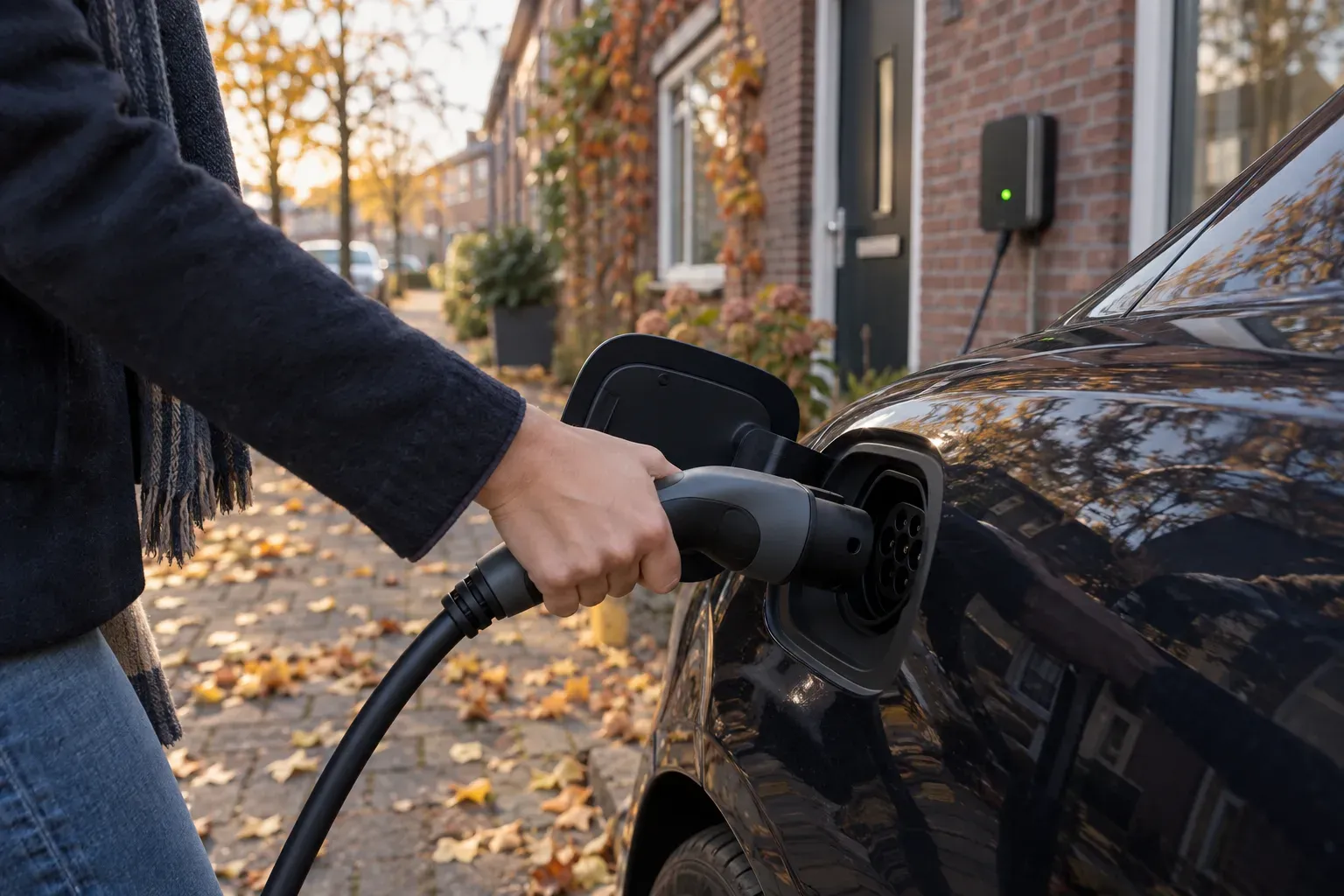
01
You charge at home
A MID meter in your charger measures every session down to the kWh.

02
A provider registers it
They report your metered kWh to the NEa and receive EREs for it.

03
You get paid
The EREs are sold to fuel suppliers. You get your share, minus commission.
Tools and research
Everything you need to choose well
Trust score
18 checks per provider, each with a source
We check fees, terms, payout and the company behind it. Anything that isn’t public counts as zero: if a provider shows nothing, it scores nothing.
- Hidden fees30%
- Clear terms20%
- Payout & exit25%
- Strong backing25%
How the 41 providers score
- Strong 12
- Good 11
- Fair 11
- Limited 7
ERE price
€0.31
per ERE · November 2, 2026
Range €0.29 to €0.43
Current indication
€0.303
3 sources, October 27, 2026 to November 2, 2026
- Lekkerladen, LIVE KOERS € 0,310 per ERE (November 2, 2026, €0.31)
- Xolvere, indicatieve marktprijs (October 29, 2026, €0.3033)
- Joulo, indicatieve LRE-E spotprijs (October 27, 2026, €0.3025)
Median of recent price indications from named sources, last 14 days; no realised sales.
Charger check
Does your charger qualify?
Since 1 January 2026 the MID meter must be built into the charger itself. Check your model in a minute.
Start the checkPayouts
Who pays out when
Payout moments per provider, backed up by customer reports.
See the payoutsCalculator
Work out your own earnings
Charge partly on the road, or drive more efficiently? Enter your own situation.
Open the calculator
Home charging pays
More and more neighbours charge at home. And earn from it.
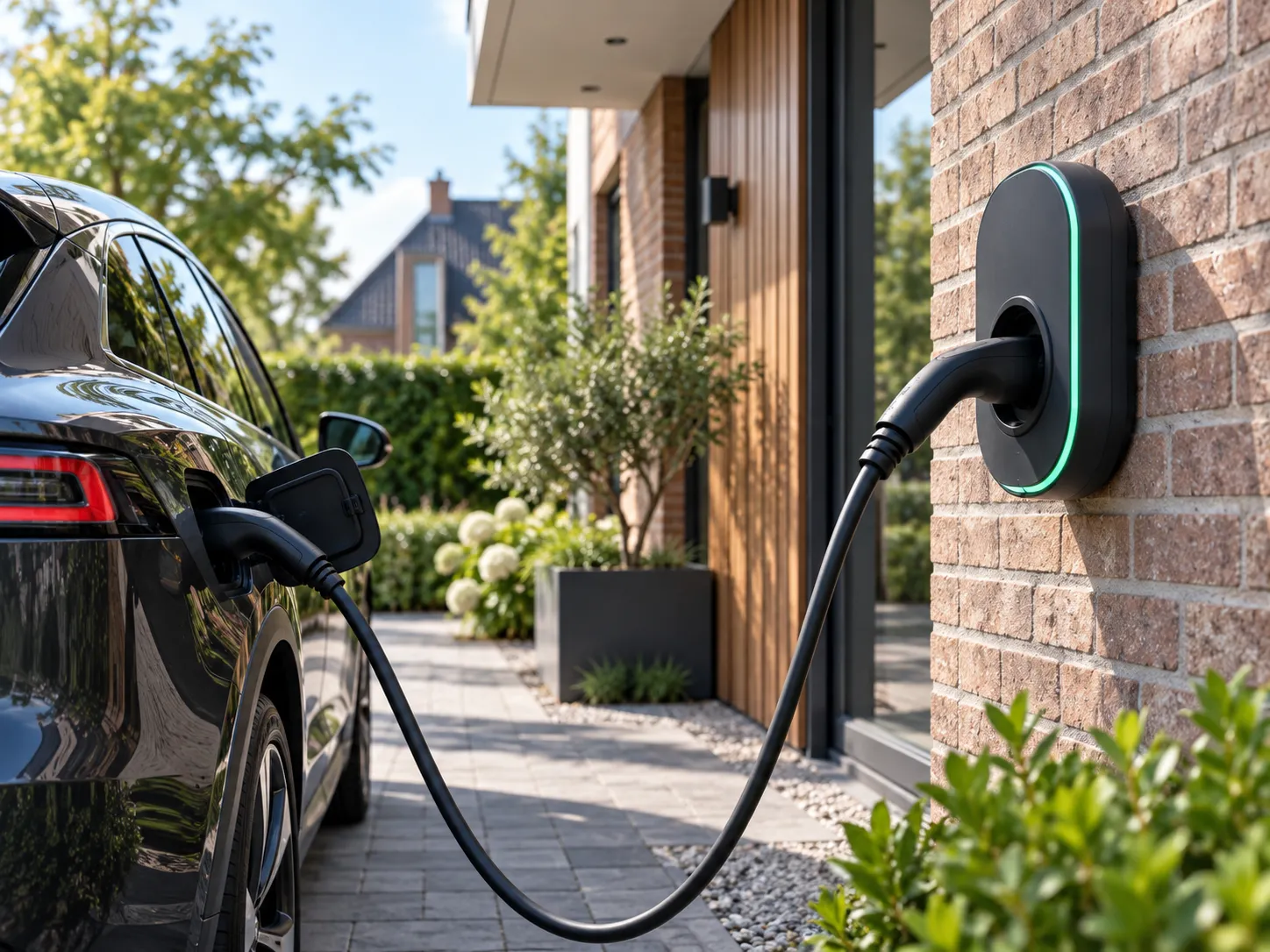
Since 2026 the electricity you charge into your car at home counts towards the climate targets, and you get paid for it. Work out what it earns you in a minute.
Calculate your earningsFor everyone who charges
Compare for your situation


Latest articles
News and explainers
1 January 2027
What changes for EV drivers
Dated checklist with the source and the date checked.
ERE price drops sharply: from €0.47 to €0.30 per ERE in two months
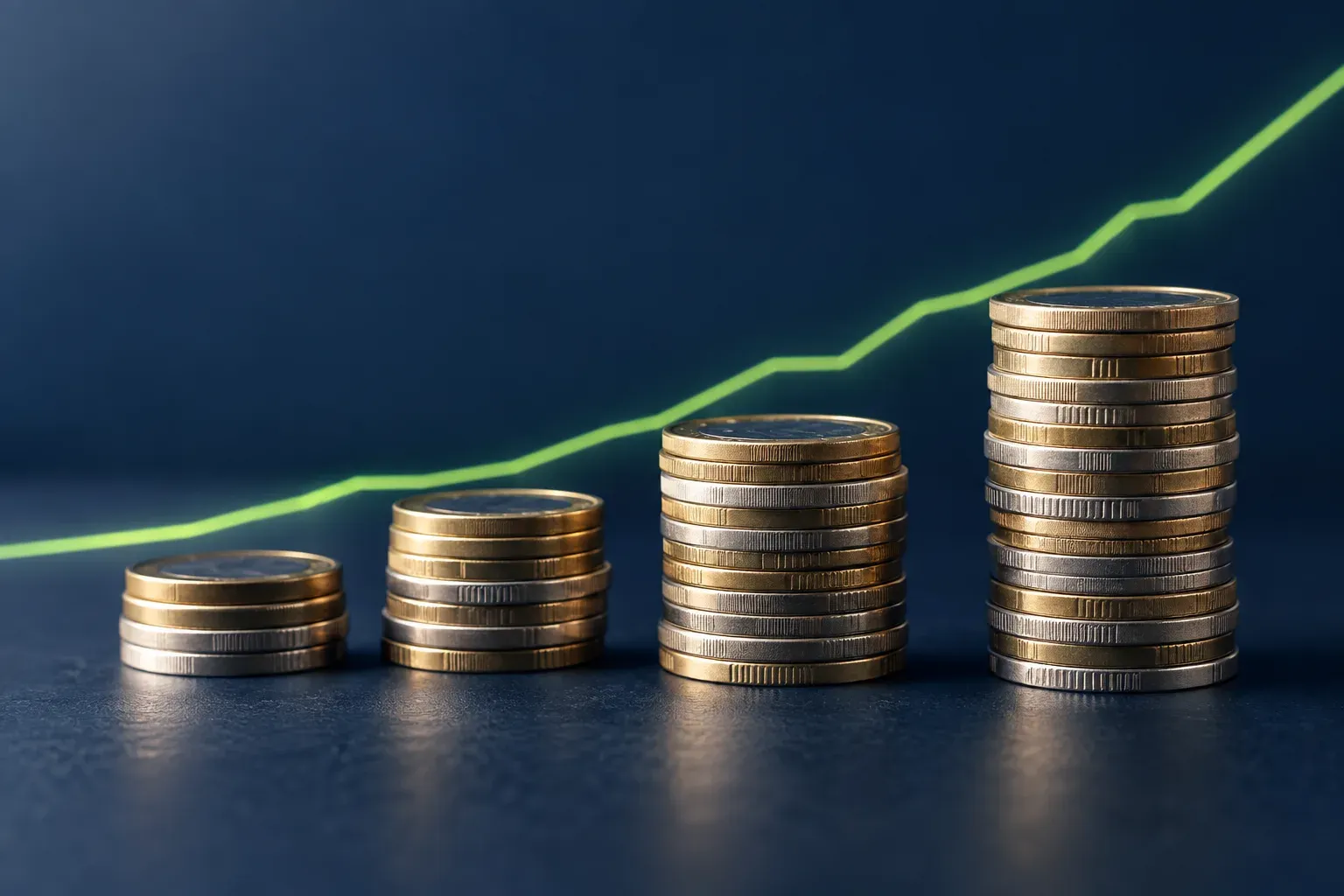
The ERE price fell from €0.4725 (week 35) to €0.3025 per ERE (week 44): about €0.10 gross per kWh charged. What that means for your earnings.
October 29, 2026
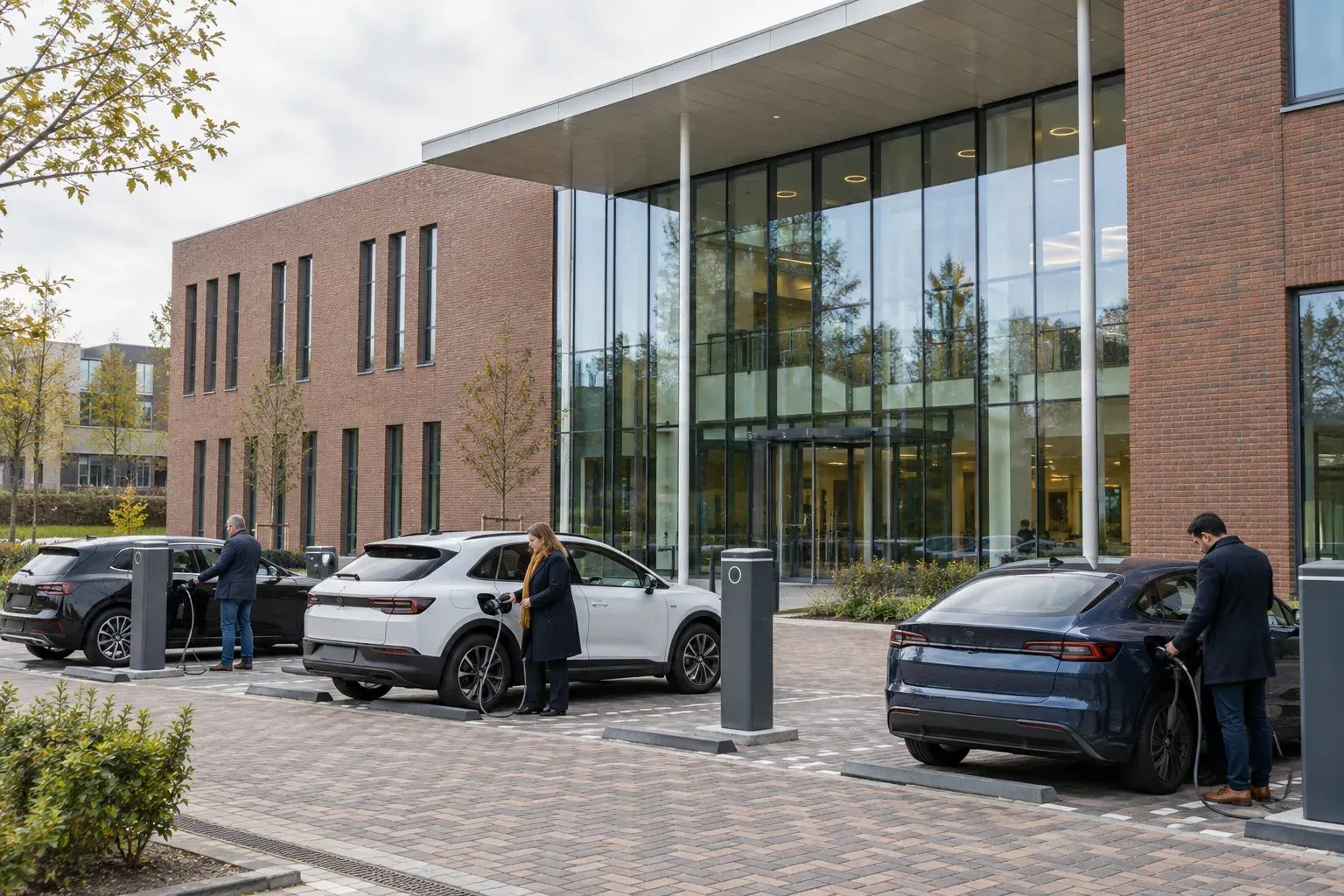
Can your ERE provider book? What the NEa overview of 21 October shows
Of the 36 ERE providers open for sign-up, 16 book through an account with the NEa registration-service facility. 20 do not yet (21 October 2026).
October 26, 2026

Energy bill
Energy contracts in the Netherlands, explained (2027)
A Dutch energy bill is a supply price per kWh and m³, a fixed supplier fee, regional grid costs, and energy tax minus a yearly credit, plus 21% VAT in 2026.
October 25, 2026
ERE update
Stay up to date on ERE
Receive clear updates at most twice a month on rates, terms and new providers.

Frequently asked questions
The questions we get most often, answered briefly. Can’t find yours?
What is an ERE payment?
An ERE payment is your share of the proceeds from emission reduction units (EREs). A registration provider reports the electricity you charge into your car at home to the Dutch Emissions Authority (NEa) and receives EREs for it. Fuel suppliers buy those EREs to meet their legal annual obligation for renewable energy in transport. You get a share of the proceeds, minus the provider’s commission.
Which charge point do I need?
For private individuals a charge point with an integrated MID-certified meter is generally required, plus verifiable charging data and ownership of the grid connection. Use the charger check to see whether your situation qualifies.
How do I compare providers?
We compare estimated net earnings, commission, payout frequency, contract term and conditions across every relevant ERE provider, based on public sources with a stated check date.
When do I get paid?
That varies by provider: some pay quarterly, others annually or only after the EREs are sold. The payout frequency is shown per provider in the comparison.
Can I switch later?
A contract typically runs per calendar year and you can be registered with one provider at a time. Switching is usually possible per new calendar year; check the notice period with your provider.